While 1990s anime fans may feel nostalgic for the gritty, grassroots days of the fandom, they’d undoubtedly be amazed by how far the industry and its global fanbase have come. From instant access to anime classics to the global embrace of anime culture, 2025 would feel like an entirely different world. The sheer ease of streaming almost any anime ever made, subtitled or dubbed in multiple languages, would blow their minds — especially considering the days when they had to rely on overpriced VHS tapes or poorly translated fan subs that took weeks to get.
Videos by ComicBook.com
The fact that anime conventions are now massive, multi-million-dollar events with international attendance would also be completely unrecognizable to fans who grew up in the cramped hotel ballrooms of the 90s. Here are the biggest changes that would baffle a 1990s anime fan stepping into 2025.
7. The Seasonal Anime Conveyor Belt
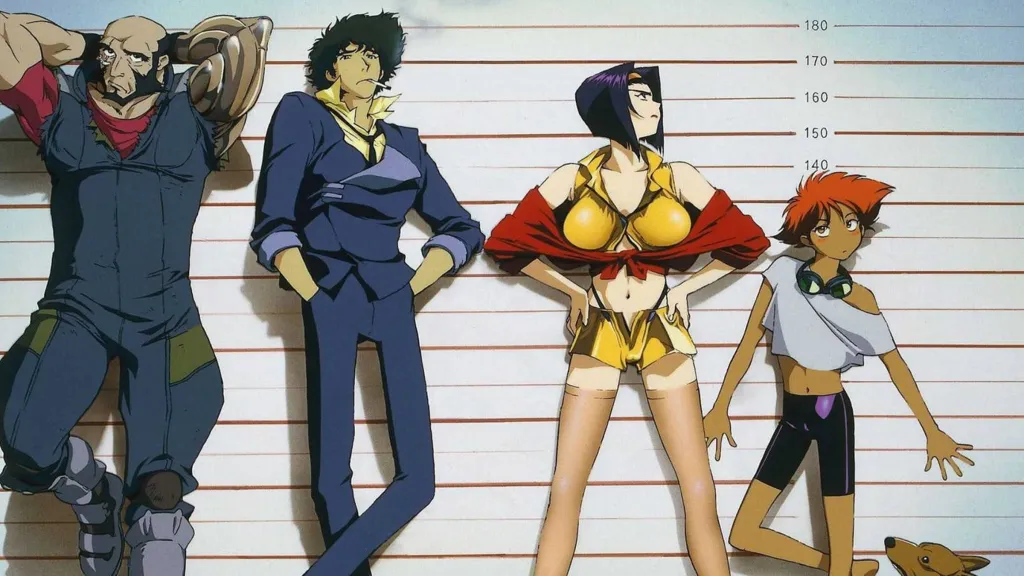
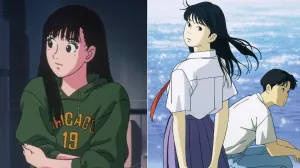
Remember the 1990s, when you had maybe three new anime a season, and each one felt like an event? You re-watched the same episode 40 times until your VHS tape wore out. Now in 2025, there’s a new show every half hour. Studios no longer seek inspiration. They seek calendar slots. By the time a ’90s fan finishes waxing poetic about Cowboy Bebop’s existential loneliness, the 2025 viewer’s already watching “That Time I Got Reincarnated as a Romantic Comedy Dungeon Slime.”
6. The Teehee Energy That Defines Today’s Fans
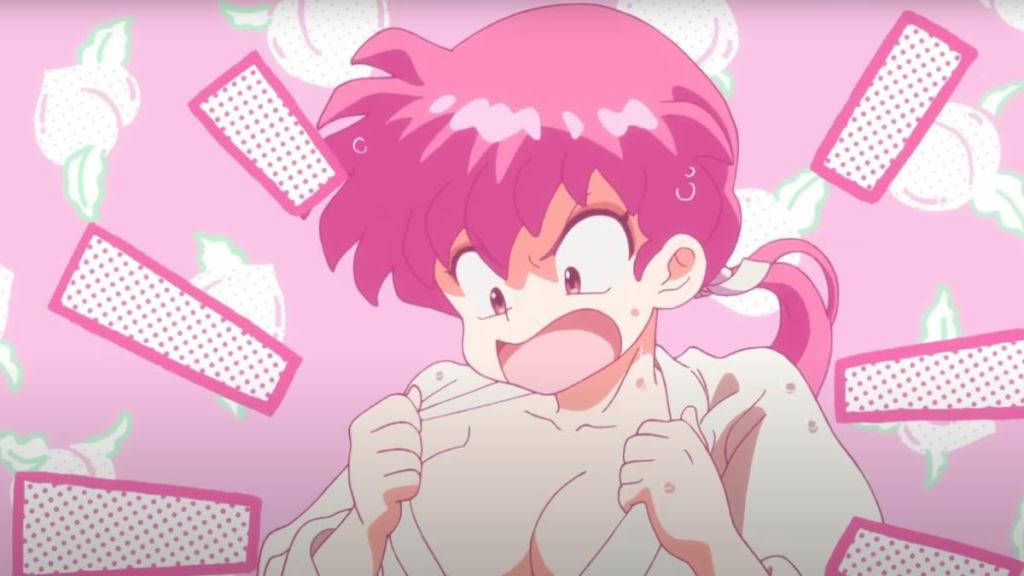
Let’s be honest — anime has always flirted with desire. We had Tenchi Muyo, Ranma, and Priss from Bubblegum Crisis owning the room. It was playful, imperfect, and a little forbidden — the kind of fascination that felt like a secret only real fans understood. Now, that subtlety has dissolved into something far more performative. Modern anime’s approach to sensuality is what you might call “teehee” culture — self-aware, overproduced, and sanitized. It’s not that modern anime characters aren’t attractive. They’re practically engineered to be. But the kind of intrigue that once lived in the space between moments has been replaced by slapstick self-reference, endless fan-service jokes, and commentary masquerading as chemistry. Desire has become content, and it’s hard for any of it to feel authentic.
5. Merch Is Now the Anime

Back then, you watched anime to find characters you loved, then hunted their merch in the back of a dingy convention hall. In 2025, it’s the reverse: anime exists to sell merch that already exists. Whole shows get greenlit because the figurine prototype tested well on TikTok. That’s not a side effect anymore — that’s the pre-production model. Imagine explaining that to someone who bought LaserDisk boxsets because they wanted to support the studio.
4. Anime Is Mainstream — And It Kinda Sucks
In the ’90s, being an anime fan meant you were a subcultural outlaw. Jump to 2025, and anime is everywhere. It’s exported, monetized, and endlessly merchandised. When anime went global, it had to grow up, or rather, sell out. The danger and eccentricity that once lived in its margins were ironed out in the name of accessibility. The experimental weirdness of Serial Experiments Lain, the abrasive discomfort of Perfect Blue, the uncommercial ambition of End of Evangelion — these aren’t the traits that sell lunchboxes and phone cases. When everyone can consume something instantly, the act of loving it stops feeling special.
3. CGI Anime Abominations

It started small. A few 3D tanks here, a mech there. People thought it was “experimentation.” Then suddenly you blink and we’re living in the era of uncanny wax-doll anime with motion capture fight scenes that look like rejected PS2 cutscenes. A ’90s fan seeing modern Berserk (2016) for the first time would have dropped the remote, screamed into a CRT, and organized a samizdat resistance movement.
2. Isekai Anime on Infinite Loop
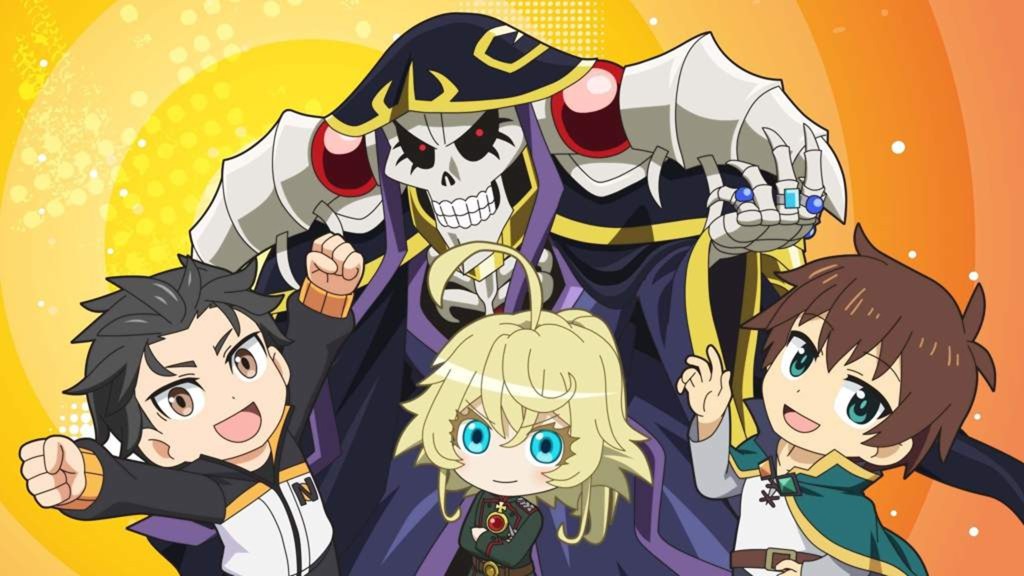
It’s the ouroboros that devoured the medium. A guy dies. Reincarnates. Gets powers. Builds a harem. Repeats 400 times. The multiverse is vast, yet the stories feel smaller than ever. It’s not that isekai is inherently bad. At its best, it still reflects our collective yearning to begin again. But the problem is that the genre no longer explores that theme; it just repeats it. Older fans who grew up on varied storytelling look at modern lineups and see an echo chamber. There’s also a subtle cultural exhaustion beneath it all. The isekai surge mirrors a generation quietly overwhelmed by reality — a collective wish that life could just… restart. But instead of exploring that yearning with depth or risk, modern anime industrializes it into a safe, repeatable product.
1. People Watch Anime on Phones, Vertically
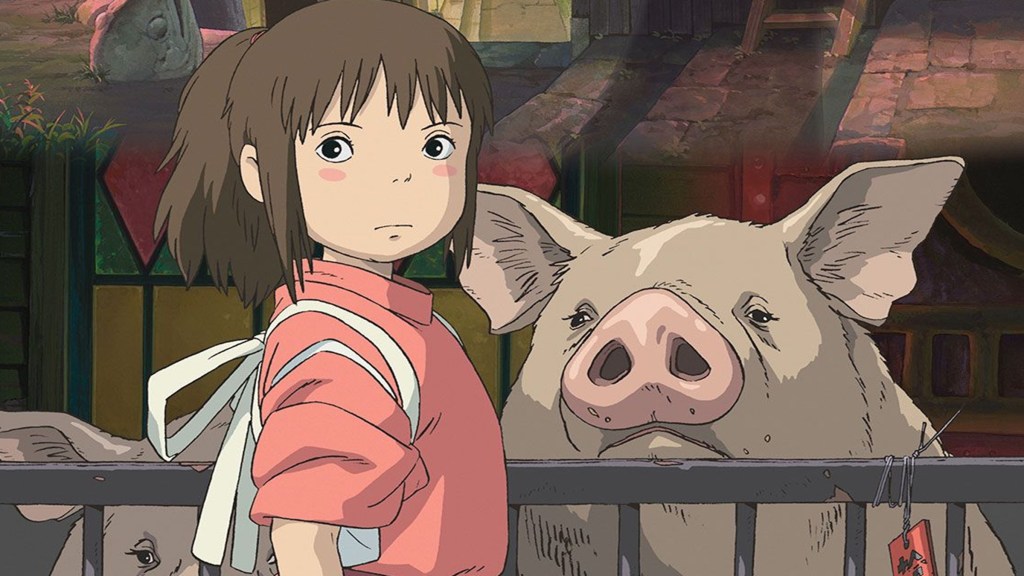
This is the kind of horror Lovecraft didn’t write down. A ’90s otaku meticulously aligned their RGB cables, adjusted contrast knobs, and worshiped the cathode glow of a 4:3 TV. In 2025, people are watching Vinland Saga in portrait mode on a phone, while making pasta. Worse, they’re watching reaction edits. The idea of consuming painstakingly animated scenes — the work of hundreds of artists — reduced to 2-inch crop clips makes a 1990s fan cry pixelated tears. We used to rebuke VHS compression artifacts. Now we embrace algorithmic compression as an aesthetic. A whole generation will meet Spirited Away for the first time through a 15-second phone clip and believe they’ve seen the film.
What do you think? Leave a comment below and join the conversation now in the ComicBook Forum!
Most Viewed
-

Image Courtesy of Prime Video -
Image Courtesy of Netflix