The superhero in the 21st century has belonged to Marvel. The publisher entered the new millennium with new editor in chief Joe Quesada and things started to pick up as new ideas made the House of Ideas more popular than ever. One of the most revolutionary ideas of the time was the first Ultimate Universe. This completely new Marvel Universe was a contemporary retelling of the origins of the heroes, starting with Ultimate Spider-Man and Ultimate X-Men and it proved to be massively popular. Fans wondered who was going to be the next to debut and they got that answer 24 years ago when the instantly controversial Mark Millar/Bryan Hitch series The Ultimates debuted.
Videos by ComicBook.com
The old Ultimate Universe was a gamechanger, but The Ultimates became the big dog right away. This new version of the Avengers was tailor-made for the 21st century. They were superheroes in the post-9/11 world, and Millar was ready to push some boundaries. The scribe had worked as the protege of Grant Morrison for years, and had his big break on the irreverent Wildstorm team book The Authority. He was known for his taboo sense of humor and his exciting stories, which made him fit like a glove with Hitch, who had worked on The Authority before Millar came on the book and helped establish its tone. The two of them gave readers some amazing widescreen action, and some of the most transgressive storytelling ever.
The Ultimates Felt Like an Evolution of the Superhero Team Book
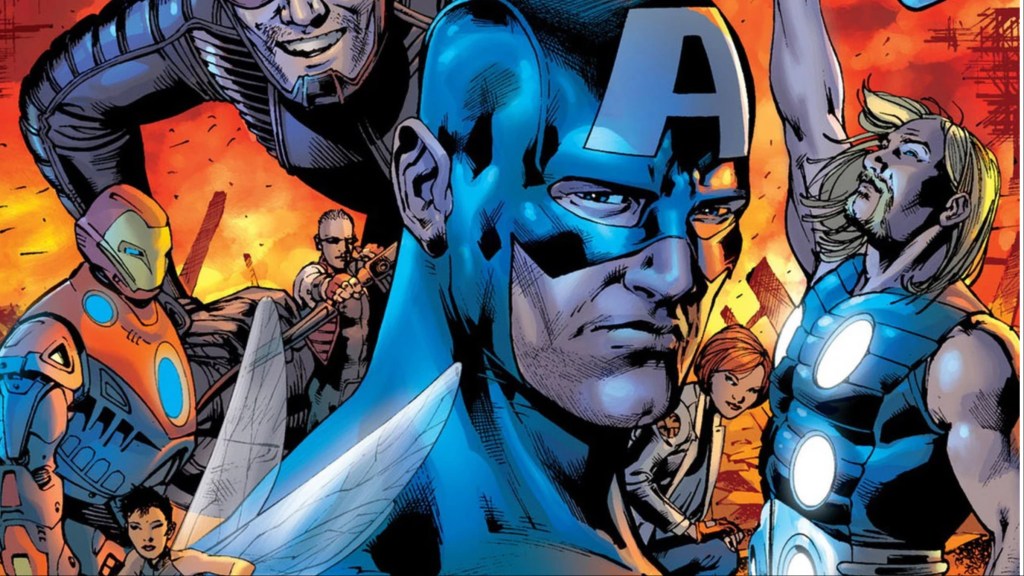
It’s hard to describe The Ultimates to someone that wasn’t there. 2000 and 2001 were big changes in the comic industry. The shockwaves of the collector bubble bursting in the mid ’90s destroyed comic stores around the country and changing distribution networks meant that newsstands didn’t stock comics as much as they used to. Comics couldn’t be for kids anymore, and the mainstream industry went all in on the older audience. Marvel had already started hiring writers like Grant Morrison, David Mack, Brian Michael Bendis, Garth Ennis, and Mark Millar, all of whom were well-known at the time for their more mature books, as well as Vertigo editors Stuart Moore and Axel Alonso. This started in 2000, as the publisher started putting out more risque books. Millar’s Ultimate X-Men was the perfect example of that; the Scottish writer’s sense of humor was always extreme and that went into his work. The Ultimates would combine the widescreen action style that Morrison had pioneered on JLA and Millar had used on The Authority, as well as the more extreme humor of their older books.
The first issue is, honestly, one of the best first issues ever. It’s set in WWII and follows Captain America into his final battle in the war. This wasn’t the overly sanitized WWII of the Golden Age comics. While they weren’t dropping F-bombs everywhere, it felt more real and the resulting action scenes, rendered gorgeously by Hitch and inker Paul Neary, were detailed lavishly. This comic felt like a blockbuster movie right from the beginning, and that feeling only intensified. Millar’s Cap felt more realistic, more raw, but still the hero we knew. The first issue ended with Cap being frozen and readers flashing to the present day. It was an outstanding experience, and read in a vacuum, without knowing what the book becomes, it still is.

Millar’s character were modern, they talked about modern things and they ragged on each other like real people did. The characters weren’t iconic, they were human. Real-life celebrities like Shannon Elizabeth and Freddie Prinze Jr. showed up. Iron Man was an alcoholic, but it was funny, Cap was old fashioned, and Bruce Banner and Hank Pym both suffered from the same kind of inadequacies. It wasn’t until the Hulk fight, where he threatened to sexually assault Betty Ross and eat Freddie Prinze Jr., that readers knew how far the book would go. It went on from there.
If you look at just the threats the team faced over Millar and Hitch’s 26 issues together, it all feels like standard Avengers stuff, but Millar’s sense of humor and nascent conservatism shines through. Superheroes get involved in the military, are tool of the government, jokes are made about the incestuous relationship between Scarlet Witch and Quicksilver. Millar was giving readers big superhero action and pushing boundaries in a way that at the time seemed revolutionary. Looking back, it was just shock for its own sake, but it definitely fit the more edgy ’00s. Fans loved the book; even with the rather long delays between issues it was still rabidly popular. Millar’s sense of humor combined with Hitch’s detailed masterpiece pages made it popular to an audience who was at the right age to enjoy something so frequently juvenile.
The Ultimates Are the Ultimate Relic of Another Time
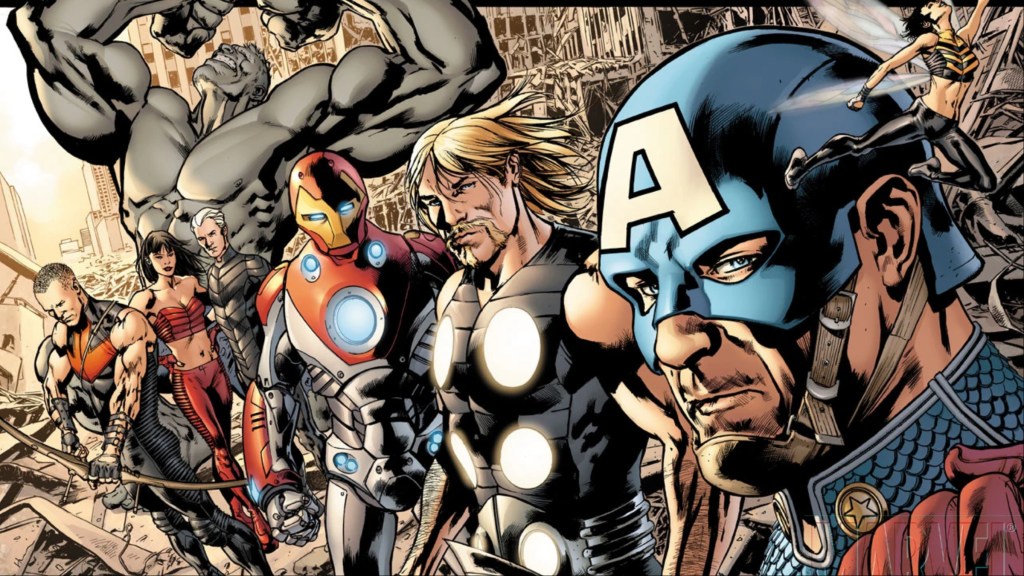
The Ultimates and The Ultimates 2 are comics that needed to happen but just don’t stand up. They brought a certain energy to mainstream comics that hadn’t been there before, and they pushed boundaries. There are plenty of interesting ideas in the comics, like the Chitauri and the whole Thor situation, and few books did big battle issues better. For every “does this A stand for France” or Hank Pym beating Janet savagely there were some good character moments and compelling drama. They are Bush II-era comics to their core, a snapshot of the comic industry in flux, and will always hold a place in the pantheon of important comics.
Millar and Hitch would leave after The Ultimates 2 and we’d get The Ultimates 3, which went even further on the transgressive humor in the worst ways you can imagine. However, in a lot of ways, it felt like an evolution of what Millar had already done on the book. It was violent and irreverent, and it led to the long slide of the original Ultimate Universe to death. Comparing them to the current slate of Ultimate books is night and day. In fact, comparing them to nearly any mainstream comic (not written by Millar, who has gotten even worse with the transgressiveness as the years went on), reveals it to be crass and often mean-spirited. However, 24 years ago, we all thought it was the future of comics.
What do you think about The Ultimates? Leave a comment in the comment section below and join the conversation on the ComicBook Forums!
Most Viewed
-

Image Courtesy of Big Finish -

Image Courtesy of TOHO -
Image Courtesy of Prime Video