Reboots have become the name of the game in superhero comics, especially at Marvel. The House of Ideas is rebooting characters and teams every couple of years, sometimes every year, with new creative teams in the hopes of readers showing up for their new adventures. This makes sense to an extent; new jumping on points can seem like a good thing, but it’s not been as successful in every case. Marvel’s reboot game has gotten weaker and weaker over the years, and one of the best examples of that are the current X-Men books. Since their reboot in 2024, the team’s books haven’t been the success the publisher was hoping. However, 35 years ago, the group’s creators gave readers one of the greatest reboots ever.
Videos by ComicBook.com
In 1991, long time Uncanny X-Men scribe Chris Claremont and X-Factor/New Mutants writer Louise Simonson were given their walking papers with an all-new group of creators taking the reins of the X-Men books. What followed is the bestselling reboot of the modern era, one that enthralled an entire generation of new readers with Marvel’s merry mutants. This reboot came at the exactly right time, and its success opened the door to dominance for the men and women of X. While the era wasn’t always perfect, the first year of this reboot changed comic history forever in more ways than one.
The ’91 X-Men Reboot Is Everything You Could Want from A Reboot
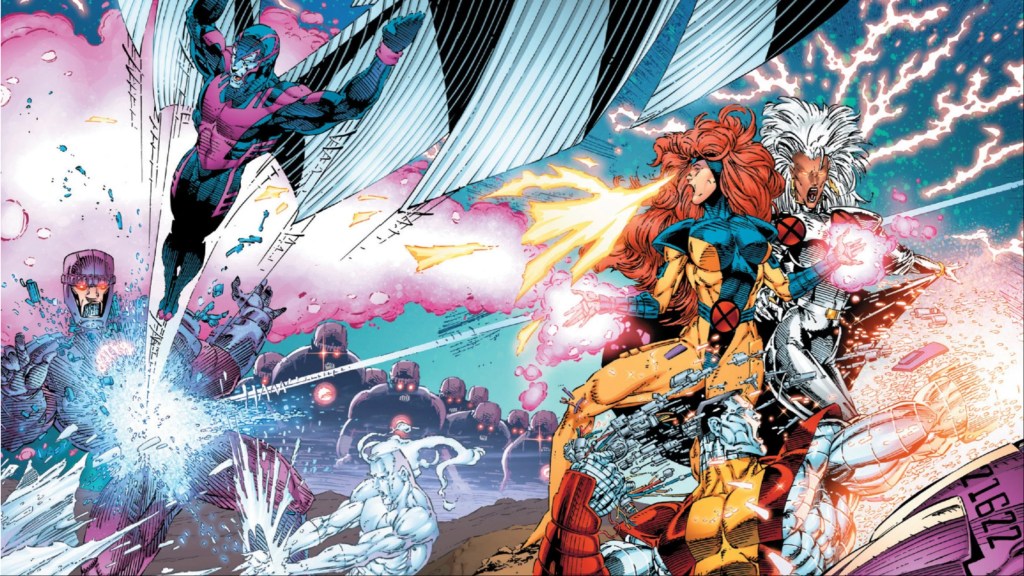
The late ’80s had seen the rise of the mutant books as the home of the most popular artists in the industry, with artists like Marc Silvestri, Jim Lee, Whilce Potracio, and Rob Liefeld all becoming huge names because of their work. Marvel editorial wanted to keep them happy and drawing, so they repeated the same deal they did with Spider-Man artist Todd McFarlane in 1990: give them control of their own books that they could write and draw. X-Force #1, X-Men (Vol. 2) #1, and Uncanny X-Men (Vol. 1) #281 were given to Liefeld, Lee, and Potracio (Silvestri was happily working on Wolverine at time). Editor Bob Harras had already been giving them more and more say in the storytelling process, so it made sense.
Meanwhile, X-Factor went to The Incredible Hulk scribe Peter David and artist Larry Stroman with issue #71, Excalibur to team co-creator writer/artist Alan Davis with issue #42, and Larry Hama and Silvestri kept soldiering on as the team behind Wolverine, except issue #48 began a story that tied into “Weapon X”, which was running through Marvel Comics Presents at the time. These six books felt like a changing of the guard moment for the fandom, as each of them took their characters in new directions.

This was the key to the whole thing and why it worked so well. See, most of these books were honestly just going back to basics, except X-Factor, which saw a new government-sponsored team, and X-Force, which was a more militant team than New Mutants. The X-Men were going back to the mansion, Wolverine was just doing Wolverine things, and Excalibur was still doing weird British superhero stories. In a lot of wants, the ’91 reboot was like the “From the Ashes” one of ’24; there was no overall story binding the books together. However, what made it work so well was the creators understood what they were doing and presented readers with something they wanted.
X-Men (Vol. 2) was the last Claremont Magneto story, and then jumped into the introduction of Omega Red. Uncanny pit the team against new threat the Upstarts, creating what was basically meant to be a Hellfire Club, and gave us a new member. Wolverine revealed secrets we never knew before, X-Force saw the team dealt with their new mission and the Mutant Liberation Front, X-Factor set up the new team, and Excalibur dealt with the return of Technet. Every book had flashy art with solid superhero stories that were perfect for both readers who had been following the books for years and for new fans. It was a reboot that did everything right, serving all sides of the fandom at once. Taking things mostly back to basics didn’t feel limiting, it felt like new doors were being opened. As far as reboots went, it almost felt organic. It’s success was such that the artists would leave and create their own comic company in ’92, birthing Image Comics.
The X-Men’s ’91 Reboot Can Never Be Replicated
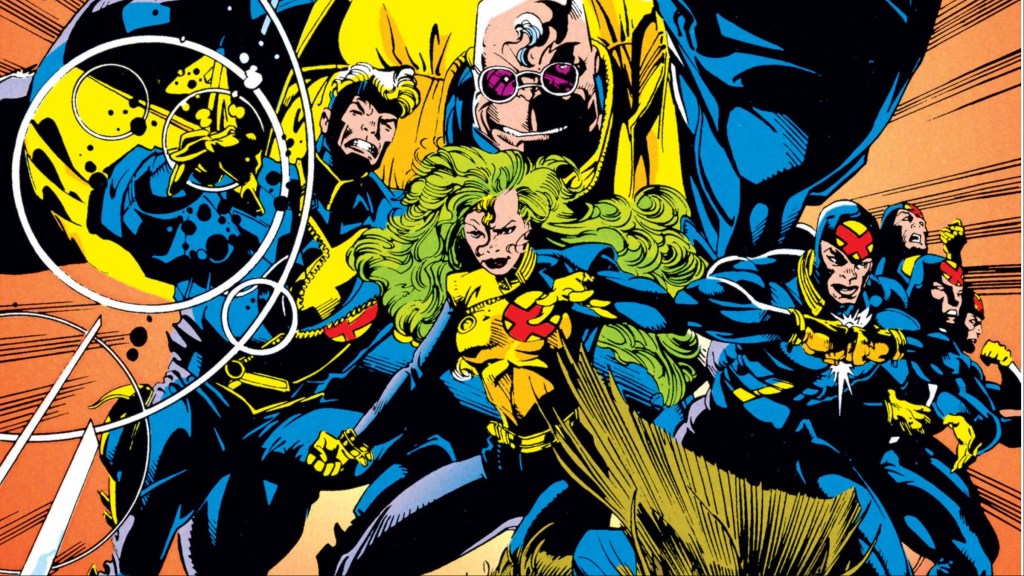
The ’90s were the decade of the X-Men. While they came into the decade well, it was the 1991 reboot of the six main X-titles that allowed them to continue to dominate. There was no one factor in its success; instead it was an example of a confluence of factors, all of which blended together to make it a truly spectacular event. Remember, this was in the days of comics in every grocery store and pharmacy; if there was a newsstand, there were comics. The power of flashy art pulled in millions and the team became the pop culture juggernaut it is today.
Nowadays, this reboot wouldn’t work nearly as well as it did. Comics have changed in so many ways and the star power of 1991 Marvel has lessened significantly, as have the reach of comic books. However, the proof of its success is in the pudding. These comics sold millions of books, and even if they were over-ordered, stores still made a profit off them and kept ordering in high numbers. Kids in the ’90s thought the X-Men were cool because of the gorgeously drawn covers and those who didn’t buy comics eventually got into X-Men: The Animated Series. Fans weren’t as jaded and tired of the constant reboots yet. It was another time. However, it’ll always hold a special place in the hearts of those of us who were there.
What do you think about the 1991 X-Men reboot? Leave a comment in the comment section below and join the conversation on the ComicBook Forums!
Most Viewed
-

Courtesy of Sony Pictures Animation / McDonald's -

Image Courtesy of TMS Entertainment -

Courtesy of TOHO Animation -

Image via Prime Video -

Courtesy of Crunchyroll