When it comes to great DC characters, Batman is arguably the best. He’s one of the oldest, having made his debut in Detective Comics #27 in 1939, and has been one of the most complex and popular characters ever since. Over the years, Batman’s adventures have been many, his origins have been refined, and there’s almost nothing that the hero hasn’t taken on either as Gotham’s costumed protector or as his civilian alter ego Bruce Wayne.
Videos by ComicBook.com
But “almost” is the operative word in that sentence. While Batman and Bruce Wayne have done a lot of things and the character is undoubtedly very different today than he was five years ago, ten years ago, 80 years ago, there are some things that have stayed very much the same. He’s a man that, despite having built his own “family” remains deeply alone and rarely seems to change all that much. Gotham changes, but Batman as we’ve always known him is pretty much eternal and it feels like by giving the Dark Knight new variations of the same status quo, they’re really just failing their best character — but there’s one place he’s being done right.

Batman Has Great Comics, But He’s Not Actually Changing
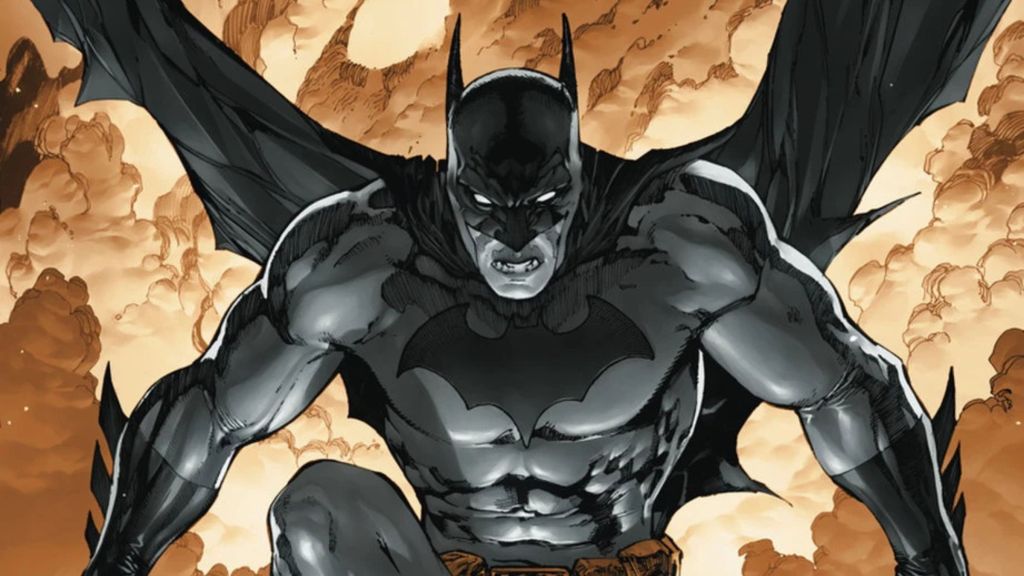
Let’s get something settled right out of the gate: I love Batman and I love Batman comics. There are some incredible Batman stories and they don’t all have to reinvent the character. But when you go from creative run to creative run on a title that has the character repeating many of the same tropes and patterns over and over again without ever really seeming to change, it starts to feel like a character dealing with arrested development. How many times have you read a Batman comic that has heavily leaned into the idea of Batman trying to do things alone and his own way rather than actually work with the Bat-Family he created? If there were to be a drinking game centered around the idea of Batman leading a lonely life as a hero, no one would come out reading a Batman run alive. Almost every Batman story, in some capacity, has primary elements of Batman working alone, feeling like he has to be alone, or being better as a hero when he works alone despite the fact that he has built an entire close network of allies and sidekicks ostensibly to help him.
Even within the individual relationships he’s created, Batman stories feel like a constant series of one step forward, two steps back. One book will have him making real progress in his relationship with his son, Damian. The next will see them on the outs again. Same thing with Jason Todd, only to a much greater extreme. Who even knows what’s going on with Tim Drake half the time. The only thing that is consistent in Batman’s life is that he doesn’t seem to be able to manage any relationship in any meaningfully successful way and while there’s some aspect of that that makes sense — man’s got some trauma — he’s also frequently written as having wise epiphanies about his life and the people in it that would suggest future growth and change that simply never really pans out. A story arc ends, a creative team changes, and we’re back to the brooding loner once again. We might get a really cool story out of it, but we’re also back at square one.
TV and Movies Let Batman Change (And That’s a Good Thing)
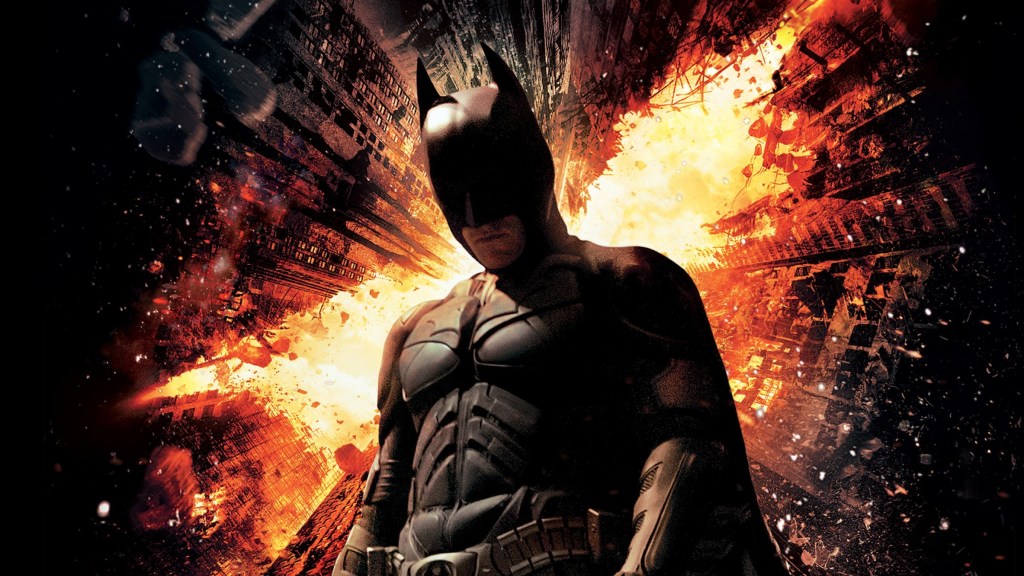
While on the pages of comics Batman largely stays the same, that’s not true for movie and television adaptations. These versions of the character do see the character grow, develop, change, and evolve and while it often happens over the course of an entire franchise — as is the case with Christopher Nolan’s The Dark Knight Trilogy — we’re still getting a version of the character with a real and complete arc. It’s something that feels like if we were to drop into the world those adaptations set up several years later, we’d encounter a version of the character who would not be repeating the same cycles. He might be fighting the same battles, but he’d be doing it with new tools.
An especially sharp example of Batman and Bruce Wayne evolving and having a complete story can be found with The Dark Knight Rises. Leading into it, Batman Begins gave viewers a variation on the classic origin story while The Dar Knight gave us a more seasoned Batman-in-action. But The Dark Knight Rises saw Batman having to learn from his experiences and accept his own limitations and what that actually looks like in the greater story for the hero and the man behind it. The end of the movie gives us a version of the character that has achieved closure. He’s succeeded. He’s won. While Nolan chooses to end the story he’s telling there, it’s honestly not the end of Batman’s story. One could argue that the end of The Dark Knight Rises (with Bruce healing whatever is broken within himself and moving on) actually opens up the door for him to be a more effective force for good. There are countless stories that could be told with a Batman who isn’t fueled by misery and darkness. A Batman with a closed painful chapter would in theory have a lot more at stake in bettering Gotham and protecting the world at large and at ensuring there are other heroes and figures in place to keep things on a good path even after he’s gone.
By perpetuating the same kinds of stories, stories where Batman is some sort of miserable loner — often of his own design — or constantly resetting the character back to that status quo despite any progress previous stories might have made, comics are robbing Batman and readers of richer and more complex stories. A Batman with a more balanced and arguably healthier private life is a Batman for whom the stakes are higher. That makes the stories more personal and the risks greater. If television and movies can grow Batman and make him more human and, in turn, make his stories more interesting, comics can do it, too. It’ll make one of DC’s best characters all the better for it.
What do you think? Leave a comment below and join the conversation now in the ComicBook Forum!
Most Viewed
-

Image Courtesy of Prime Video -

Image Courtesy of TOHO