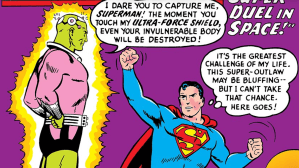
DC Comics is the oldest publisher of superhero stories in the world, with Superman creating a genre of character that would go on to become the most important part of modern pop culture. There are some fans out there, myself among them, that believe that DC has created the greatest superheroes, supervillains, and stories about both of all time. Since 1938, generations of readers have been enthralled by the work of DC’s creators, creating iconic characters that would people stories that have truly stood the test of time. While you could make the argument that a superhero story is a superhero story, DC’s way of using them has always been the most interesting; Marvel tells superhero stories, whereas DC tells stories about the lives of superheroes (yes, there is a difference).
Videos by ComicBook.com
Over the years, there have been numerous DC stories that can be said to “define” the company. We use this word all the time to praise various stories, but it’s honestly just a vague piece of praise that people like me like to throw out at times. However, if you look at some DC stories, you can see just how much various tales have helped define what we think of when we think of DC Comics. These five DC story arcs have helped define the publisher in the minds of readers, including a comic that has gone down as the greatest event book ever.
5) “The Judas Contract”
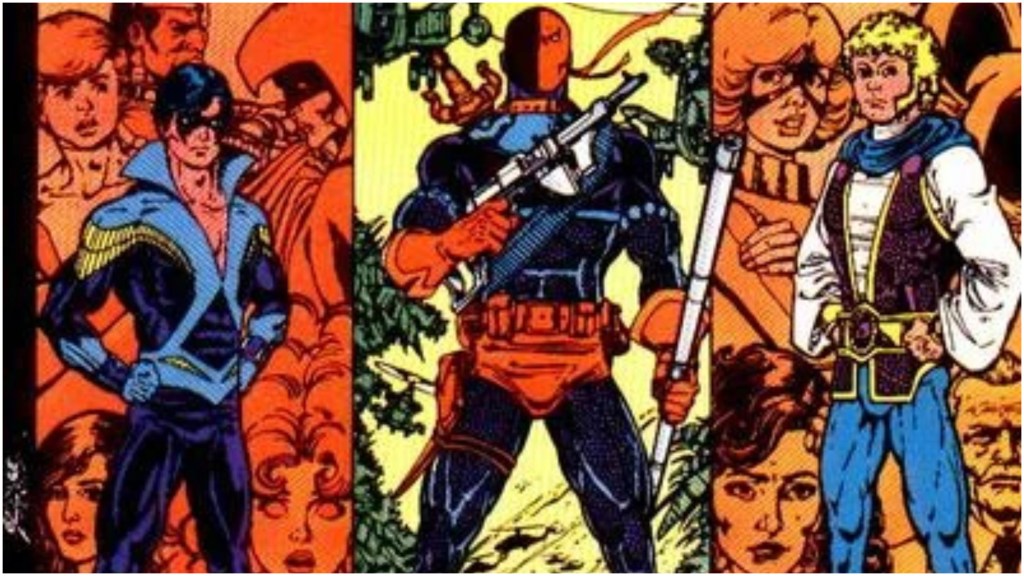
New Teen Titans saved DC Comics. The late ’70s had seen the publisher try to compete with Marvel with the “DC Explosion”, releasing numerous new books while expanding the page counts of others. However, this was a period when comics were mostly sold at newsstands and the people doing the ordering didn’t like to order new books that might not sell (it will always be hilarious to me the way the industry has changed). The Explosion became the “DC Implosion” and things got very bad for the publisher. Marv Wolfman and George Perez’s New Teen Titans was a megahit that came around just at the right time. It introduced numerous great new characters, including the villain Deathstroke and new Titan Terra, leading inexorably to “The Judas Contract”.
This story saw the truth about Terra’s tenure with the team revealed – she was placed there by Deathstroke to betray the team from within, so that the mercenary could complete the H.I.V.E. contract on the team. This story has gone down as one of the greatest DC stories ever and it’s come to define the Teen Titans over the years, for better and for worse. Numerous creators have tried their hand at doing another version of the story, “The Judas Contract” still echoing all these decades later.
4) “Sins of the Father”
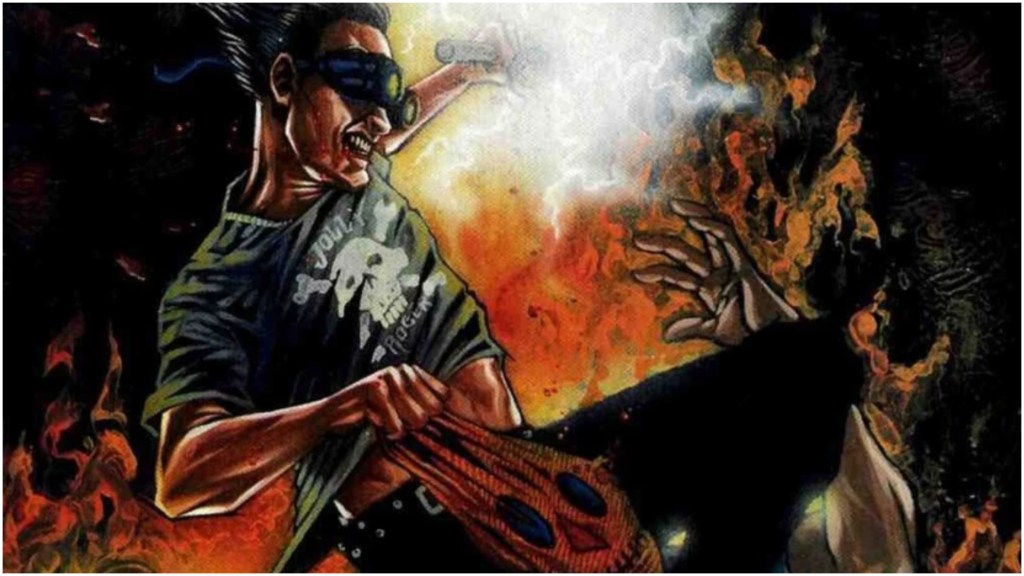
DC created the superhero in the Golden Age, with Superman, Batman, and Wonder Woman becoming the most popular heroes of the day. However, they were only the tip of the iceberg, with the heroes of the Justice Society becoming legends in their own right. Their return in the Silver Age would lead to the dawn of the multiverse and the heroes of the Golden Age remained important, up until Crisis on Infinite Earths. This story did away with the multiverse, folding the Earth-Two heroes of the Justice Society and the All-Star Squadron into the history of the new singular DC Universe. The heroes of the Golden Age would lose their importance and eventually just became relics of a bygone era.
However, all of that changed with Starman (Vol. 2). This series starred the scion of the Golden Age legend, Jack Knight, and he was introduced to readers in “Sins of the Father”. David Knight takes up the mantle of his father and is killed by the Mist’s son, leading to Jack having to pick up the Cosmic Rod and fight a battle that his father started decades before. It began the process of modernizing the Golden Age heroes and their mythos, leading to return of the Justice Society at the end of the ’90s. Starman (Vol. 2) was the beginning of legacy returning to the DC Universe and the publisher has ridden that wave to success ever since.
3) “Batman: Year One”
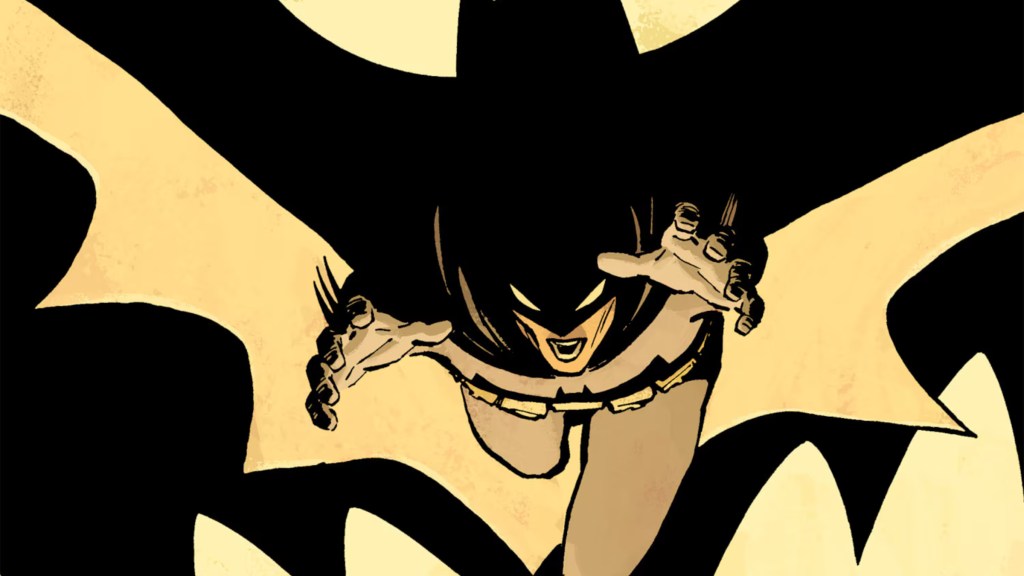
Batman is DC’s most popular hero, so I was definitely going to have to put one of his stories this list. There are lots of amazing Batman stories to choose from when it comes to which one defines DC in the minds of fans, but there’s also one that comes to mind immediately – “Batman: Year One”, by Frank Miller and David Mazzucchelli. This story was a new Batman origin for the post-Crisis DC Universe, telling the story of Bruce Wayne’s return to Gotham City and the beginning of his life as Batman. However, the city is more far gone than even he realized and he finds the perfect ally – Lieutenant Jim Gordon, new to the GCPD and learning just how far the rot in the department foes.
“Batman: Year One” is a flawless example of a Batman story done right. It’s one of those books that everyone recommends to new DC fans and for good reason; it really is that good and that important. In the years since it came out, we’ve gotten numerous “Year One” stories for various characters – Dick Grayson, Barbara Gordon, the Justice Society, Superman, and other icons – to the extent that it’s become something of a DC hallmark to have a “Year One” story.
2) Saga of the Swamp Thing (Vol. 2) #21-24
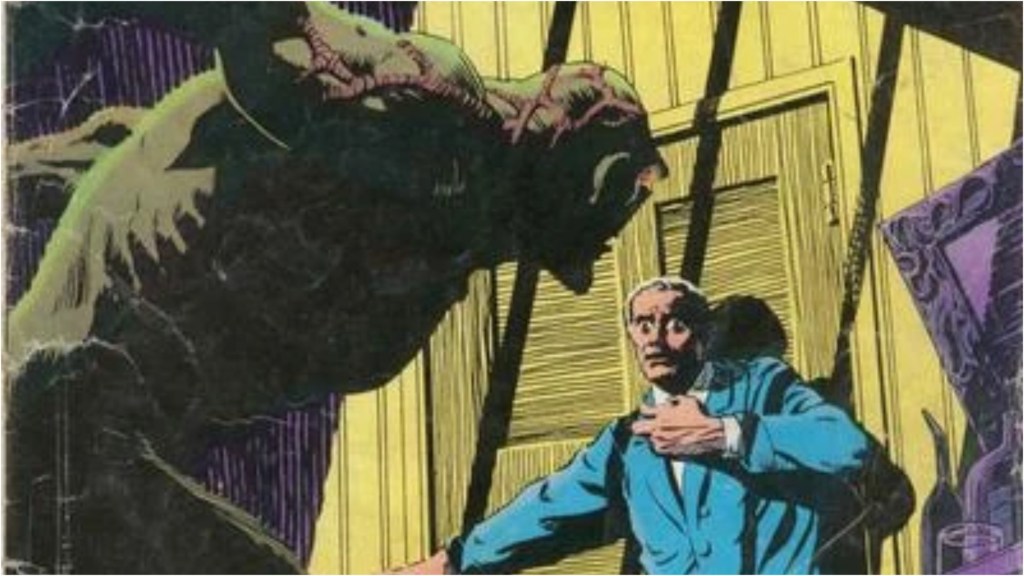
Alan Moore has become one of the most beloved writers in the history of the comic medium. He’s one of those talents you can point to and show where and how they changed the American comic industry and it all started right here. Saga of the Swamp Thing (Vol. 2) #21-24, by Moore, Steve Bissette, and Jon Totleben, redefined the character completely, with Jason Woodrue learning that the muck-encrusted mockery of the man is just that – he was never a human being, just a piece of flora that came to life at the same time as the death of Alec Holland. This would lead to Woodrue learning to tap into the Green, ravaging the world and the Justice League until Swampie shows up.
“The Anatomy Lesson” is often pointed to as the moments that American superhero comics got more mature and the three issues following it are a perfect example of what the future of comics (our present) would be. Moore’s first DC story treated superheroes as something serious and treated the readers like adults. It was a sea change in how superhero comics worked and would change the way fans looked at DC. Suddenly, they were the publisher you went to when you wanted a more high-brow superhero stories.
1) Crisis on Infinite Earths
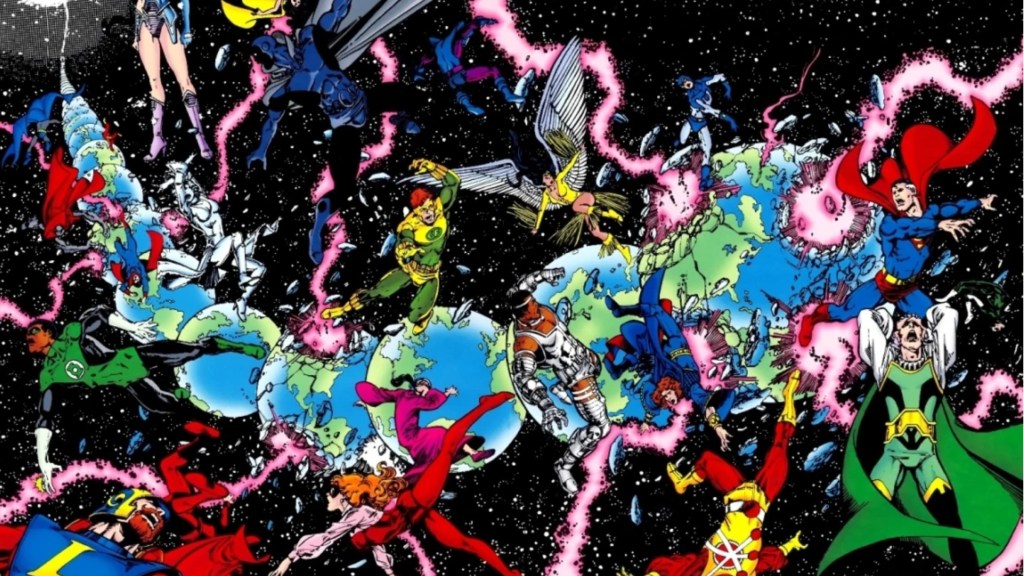
Crisis on Infinite Earths is the greatest event comic ever. The 12-issue series from Marv Wolfman, George Perez, and Jerry Ordway has become a legendary part of comic history, representing the end of the Silver and Bronze Age for DC Comics. The story saw the Anti-Monitor revealed to the multiverse, his eons-old cold war with his brother the Monitor heating up again. As universes die all around them, the heroes of five Earths set out to save all creation from an enemy who has been preparing for this for longer than the Earth has existed. Worlds lived, worlds died, and nothing was ever the same.
Crisis not only ended the DC Multiverse, it set the standard for what superhero event comics would be over the next four decades. It’s become the most legendary event in DC history, to the extent that numerous event comics have played in the sandbox that it created. “Crisis” is a word that has taken on a new meaning for DC fans, all thanks to this classic. It’s the DC event, an iconic story that will never go out of style.
What stories do you think define DC Comics? Any stories on this list you disagree with? Sound off in the comment section below.
More Comics
-
Image Courtesy of Marvel Comics -
Image Courtesy of Marvel Comics -
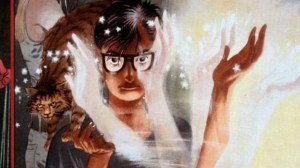
Image Courtesy of DC Comics -
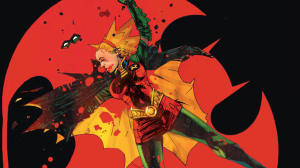
Image Courtesy of DC Comics -
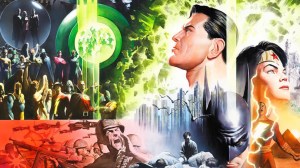
Image Courtesy of DC Comics -
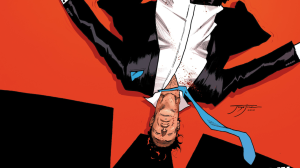
Image Courtesy of DC Comics -

Image Courtesy of DC Comics