The X-Men have one of the richest histories in comics, something that the world is about to find out thanks to the Marvel Cinematic Universe. The group first appeared back in 1963, introducing the world to mutants, the next evolution of humanity. Cyclops, Marvel Girl, Beast, Iceman, and Angel made a splash, but couldn’t keep their heads above water in the ’60s. The group ended up going into hibernation, returning in the mid ’70s. Since then, the X-Men have become the most popular superhero team of them all. Between 1975 and today, the X-Men have sold millions of comics and their stories have become an important part of the fabric of superhero history. One of the most important moments in X-Men history, one that truly changed everything, was “Days of Future Past”. However, its legacy has gotten a bit complicated.
Videos by ComicBook.com
“Days of Future Past” was genre-redefining. Uncanny X-Men #141-142, by Chris Claremont, John Bryne, Terry Austin, Glynis Wein, and Tom Orzechowski, took readers to a future where the Sentinels were in control of the world, with the last few free mutants coming up with a desperate plan to change the past. It wasn’t the first story of its kind – time travel stories had been around since H.G. Wells’ The Time Machine – but it became a revolution in the comic industry. Every team has gotten its own version of “Days of Future Past”; the really popular groups have more than one. However, that has become a part of the problem for the story and the X-Men.
“Days of Future Past”‘s Dark Future Has Become a Toxic Inspiration
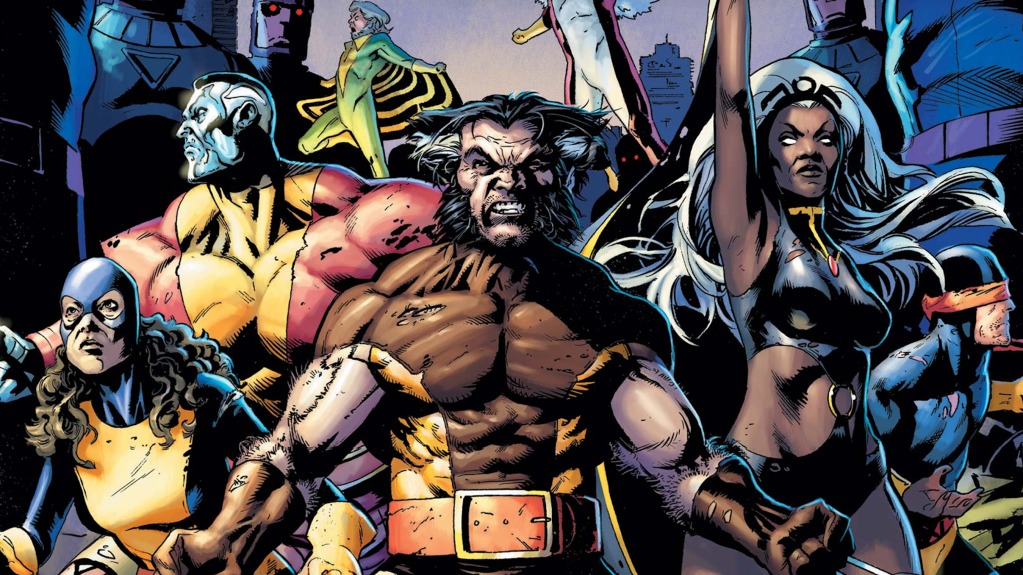
One of the things that a lot of X-Men fans forget sometimes is that “Days of Future Past” came a scant three issues after “The Dark Phoenix Saga”. X-Men readers were eating very well back then. The story was a smash hit immediately, a two-part story that grabbed readers attention with its wanted poster cover and kept them hooked them through the tales’ run. It introduced readers to the idea of the Mutant Registration Act, which would become important in the future, but most importantly it created the closest thing to a canon future you can get.
The story ended with the X-Men stopping Mystique and the Brotherhood of Evil Mutants from killing Senator Robert Kelly but monthly comics will never leave a successful story alone. “Days of Future Past” as one of the greatest X-Men stories is an idea that has been around since the story came out, so returning to that future was inevitable. We’d get Rachel Grey-Summers from that future, learning that the death of Kelly was just one part of what caused the Sentinels to take over. In fact, by the end of “Days of Future Present”, it felt like Marvel was telling readers that “Days of Future Past” was the way the X-Men were going to turn out.
The story was the ultimate spectacle. Imagine reading Uncanny back then; you just got out of “The Dark Phoenix Saga” and the next thing you know, you’re reading a story with the Sentinels in charge of the world and most of the X-Men are dead. It’s one of those gamechanging moments that will light an entire fanbase on fire. The story is perfectly executed, the writing and the art gelling to create something special. It also represented the greatest fears of the fandom – the X-Men defeated, the rest of the heroes dead, and humanity under the thumb of machines.
Once you let that out of the bag, it’s something you can use again and again. The “Days of Future Past” future itself might not be exactly canon anymore, but it birthed a variety of dark alternate X-Men timelines. We’d get more alternate futures, like the one where Apocalypse took over the world with the power of the Twelve. There were stories like “Age of Apocalypse”, which saw the past changed, creating a new timeline. The Krakoa Era showed a future that was the same as “Days of Future Past”, just with a more hard sci-fi edge and then did it a few more times to show all of them had read it. The story set a precedent and numerous stories after it have tried to do the same thing.
Nowadays, it feels like every creator who creates some kind of alternate future for the team – and for most superhero teams in general – starts out by saying, “I want to do my own ‘Days of Future Past.’” It’s become a part of the creative tool belt and it has robbed these kinds of stories of a lot that made them special. It’s not really exciting anymore to get an alternate universe because we’ve gotten them so many times in the past and they all kind of feel the same.
It’s also bad because these types of stories are against the idea of superheroes. Superheroes win. This isn’t the real world, where the people in charge are all comic book supervillains, but do it in the dumbest, most obviously vile ways. This is a fake world where the good guys always win. As cool as it can be to see them lose, the whole point is that they come back and win. They always figure out a way. “Days of Future Past” created a genre of stories where they didn’t and it took something away. At its core, the story is about the X-Men failing and I hate the fact that every X-future basically makes that inevitable.
The Dystopian Future Misses the Point of the Superhero
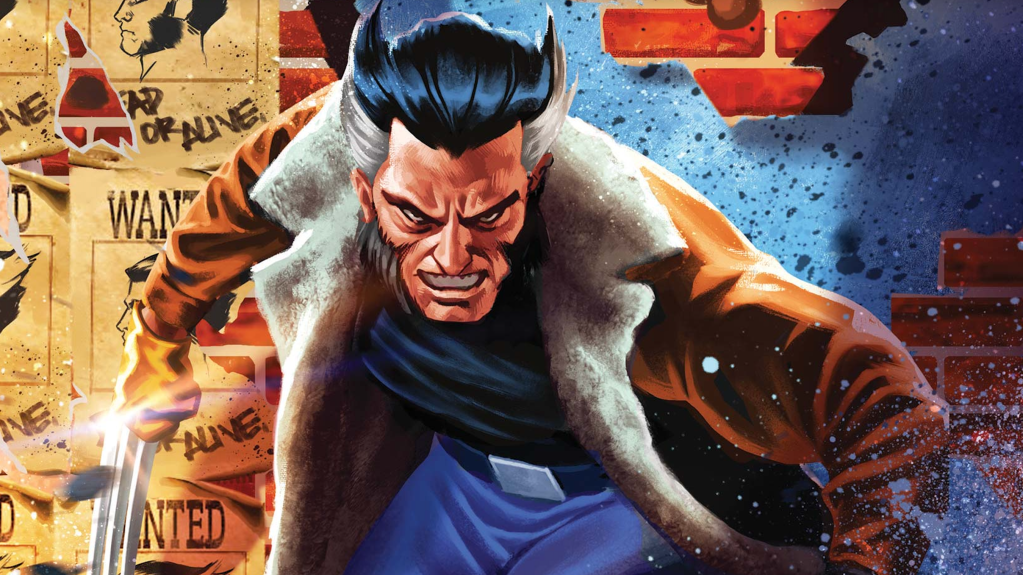
I didn’t write all of this to get to the end and try to say that “Days of Future Past” is bad actually because it isn’t. There’s a reason that it has become such a legendary story and it’s because it really is that good. Claremont and Byrne were on fire during this period and this story legitimately changed superhero comics in the years moving forward, creating a trope that would become huge in pop culture. Remember – it came out in 1981. The Terminator came out in 1984. I’m not saying it inspired it, but I’m saying it certainly helped.
We had seen superheroes before lose before, but we had rarely seen anything like this. It’s success meant that we would see it more and suddenly, it was everywhere. In a lot of ways, it’s heralded the darkness that would both lead to some of the best comics ever, like Watchmen and The Dark Knight Returns, and some of the worst ever, like the grim and gritty stories of the ’90s that were basically inadvertent parodies of what came before. It’s legacy is more complicated than ever and it holds the X-Men – and superhero comics in general – back.
What do you think about the legacy of “Days of Future Past”? Do you think that its effects have been beneficial or have they been more trouble than they’re worth? Sound off in the comment section below.
More Comics
-
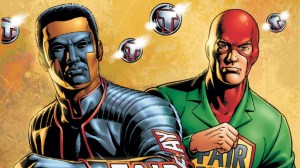
Image Courtesy of DC Comics -
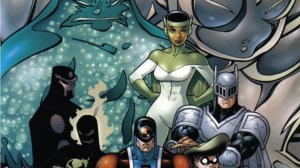
Image Courtesy of DC Comics -
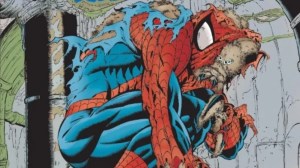
Image Courtesy of Marvel Comics -
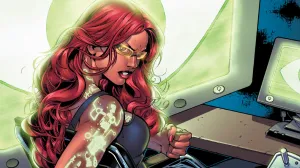
Image Courtesy of DC Comics -

Image Courtesy of Marvel Comics -

Courtesy of DC Comics