These days, it’s pretty common to know somebody living with anxiety. Part of that is because society as a whole has gotten a lot more comfortable about discussing mental health concerns, including anxiety. The other part is that the world is dark and full of horrors…wait…wrong franchise. Truthfully, there is nothing more empowering than seeing parts of ourselves reflected in the lives of superheroes. Sure, we’ll never be able to leap over a building or fly in to save the day at the knick of time, but we understand the more human struggles these superheroes face. It makes us feel connected and makes the heroes feel more realistic, all in one move.
Videos by ComicBook.com
Anxiety comes in many forms, so there’s no one symptom for people to point out. It can be minor things that aren’t obvious to anybody who hasn’t been there, and that’s part of what makes these details so amazing to see in the world of comic books. Many characters capture this, and while we sadly can’t list them all, here are a few examples.
1) Spider-Man
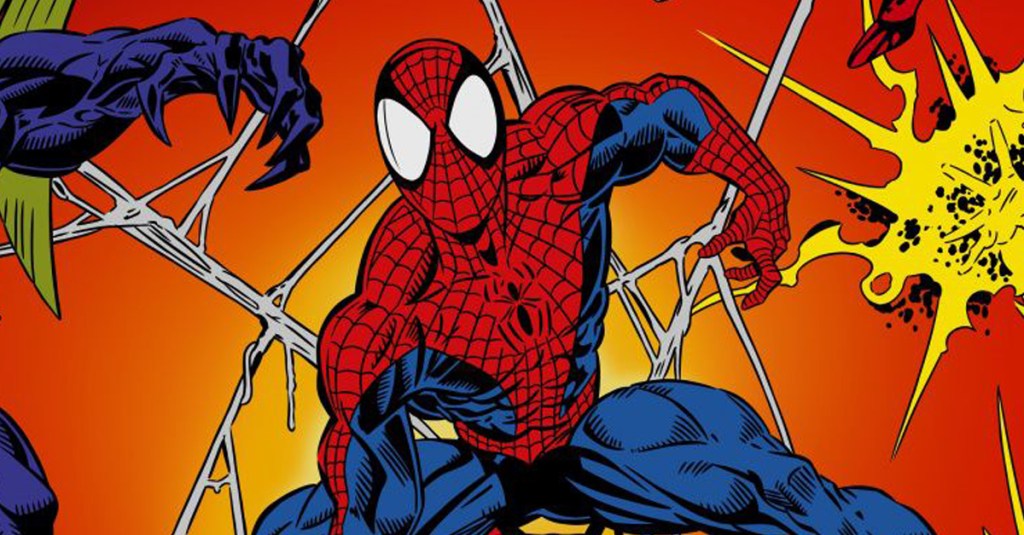
Spider-Man’s series is famous for the phrase “with great power comes great responsibility.” At a glance, it feels like an empowering statement, right? But it’s a constant reminder of the burden of living with responsibility (superpowers).
Peter Parker is often dealing with complex themes such as guilt, money stress, relationship drama, double-lives, and impostor syndrome. The poor dude is constantly on the verge of burnout, and that’s before he has to suit up and save the day. The fact that he’s able to juggle all of this and still be so open, heartfelt, and cheerful is a powerful reminder of what people can go through while keeping a smile on their face.
2) Raven
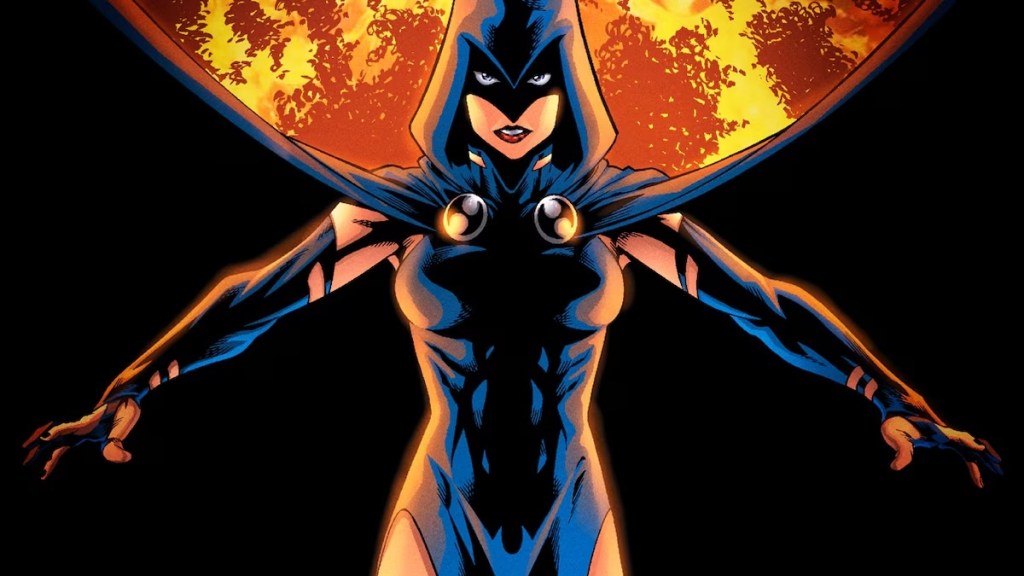
Rachel Roth, better known as Raven, is an iconic member of the Teen Titans (or Titans). She’s famous for being a bit of a moody girl in a cloak, but let’s be real: she’s so much more than that. She’s the daughter of Trigon the Terrible, and isn’t that a horrible thing to have living over your shoulder your whole life?
Raven has been carefully trained to regulate her emotions, as she fears that letting them get the better of her would turn her into her father. We all know what happens when you suppress your emotions for too long; they explode outward, usually in inappropriate manners. To compensate, she tries to force herself to be the strong one of the group, hiding all of her shame and self-loathing until she can’t take it anymore.
3) Scott Pilgrim
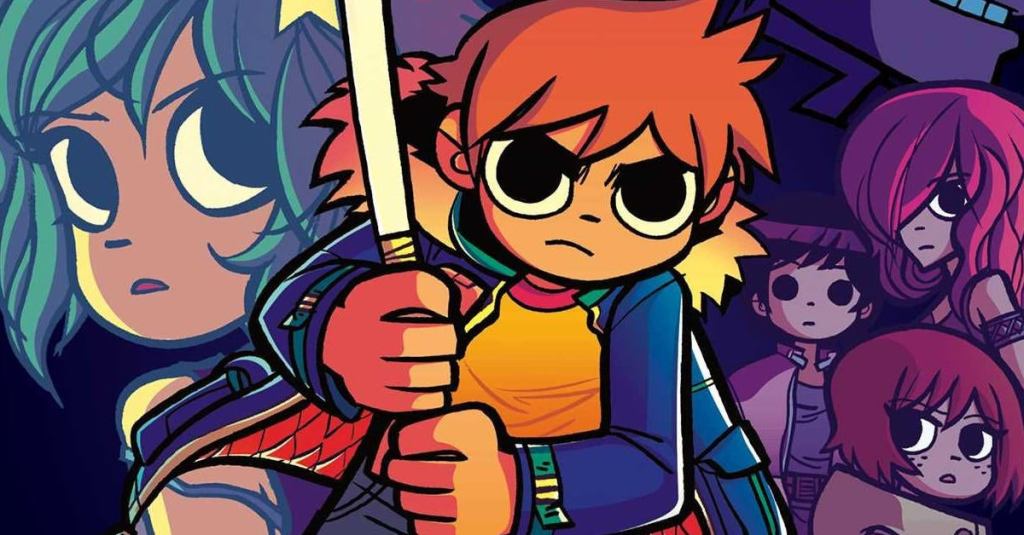
On the surface, Scott Pilgrim may look like a flippant goofball, but we know he’s so much more than that. Scott is emotionally avoidant at best, unwilling to deal with his breakup with “the big ex.” He’s aimless because he’s overwhelmed and doesn’t know what to do about it, and that feels more relatable than most of us would like to admit.
As a character, Scott Pilgrim is deeply anxious. It’s why we see him avoid discussions about emotions, career choices, and the like. He doesn’t know what to do, so he just shuts down. Even the core premise of the series can all be interpreted as metaphors about life, including Nega Scott. Making a connection with Nega Scott is effectively making peace with himself.

4) Jessica Jones

Most people, when thinking of mental health and Jessica Jones, probably immediately stray to trauma. She famously copes with PTSD from her time with The Purple Man. But that’s not all there is to Jessica’s story, as she clearly also deals with a fair bit of impostor syndrome; her backstory at Jewel makes that plain as day.
Jessica Jones is easily one of the most emotionally complex characters in Marvel Comics, and that’s saying something. She is cynical but caring, foul-mouthed but loyal, strong but vulnerable, we could go on all day. Her history is rooted in survivor’s guilt, coercive control, loss of agency, and lasting psychological damage. Yet she never let this define her. Yes, she often avoids dealing with these parts of her life, but that doesn’t make her a bad person. It makes her human.
5) Beast Boy
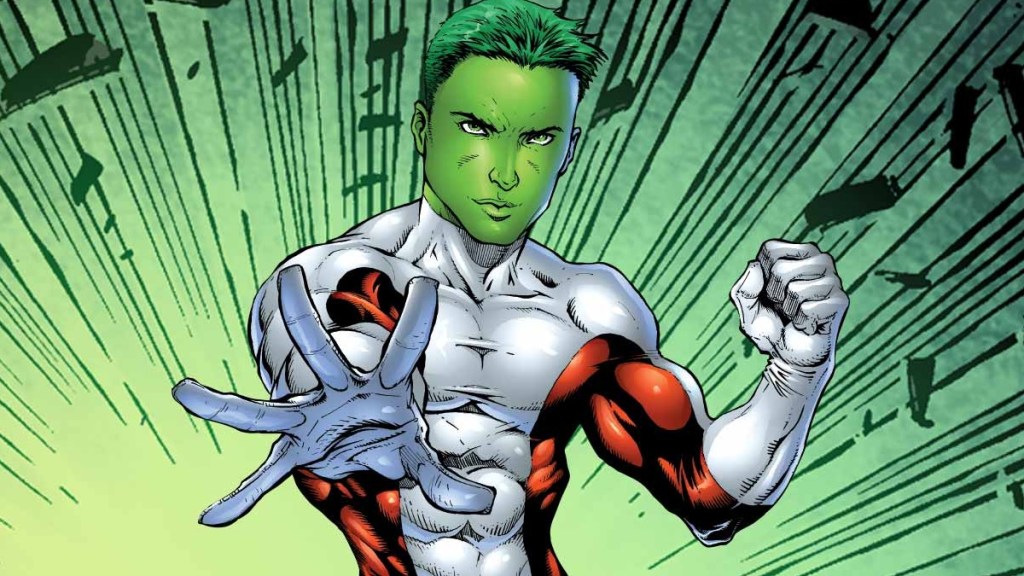
Beast Boy is another fantastic reminder that a person can be dealing with a lot and still have a smile on their face. His backstory revolves around loss and pain, as he gained his powers following a radical experiment intended to save his life (the details and stories vary depending on the continuity). Much like many other heroes on this list, Beast Boy lost his parents at a young age, and he’s been looking back at that guilt, grief, and loss ever since.
Let’s look at Beast Boy’s story another way. He’s a shapeshifter, literally. He can transform into any animal, and that is potentially very symbolic for his story. His ability lets him shift into what he thinks will let him fit the room; goofball, muscled hero, the potential is endless. While he never outright says he deals, his struggles with depression have become the center of more than one plot. Beast Boy is a classic example of using humor to cope and deflect.
6) Moon Knight
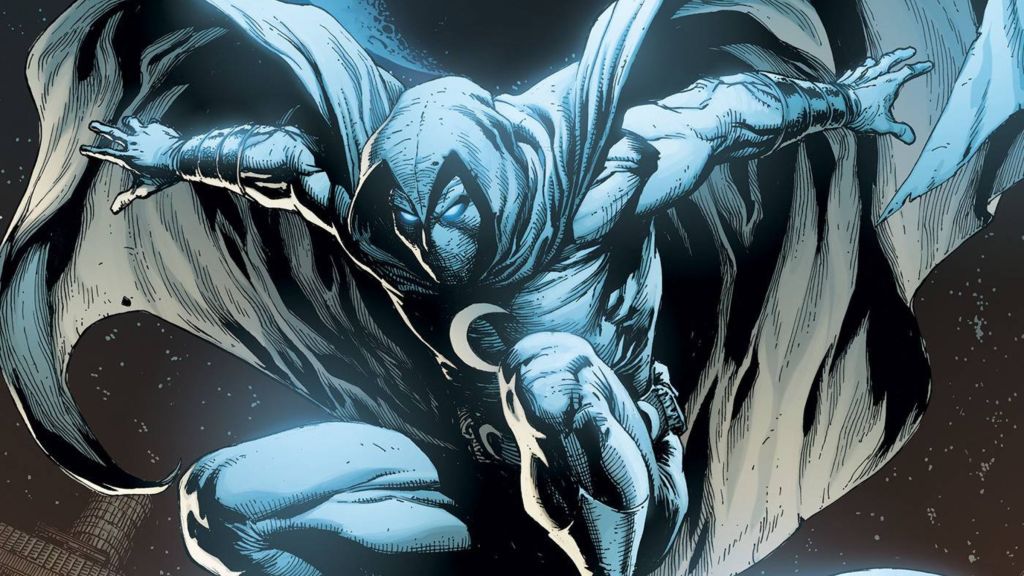
Marc Spector, aka Moon Knight, is another exceptionally complicated character in Marvel Comics. Truthfully, he’s the sort of character that would probably make us wince if he were done wrong. It’s probably why the Moon Knight TV series was such a relief for fans to see. Marc Spector deals with Dissociative Identity Disorder (DID), which is far too complex to delve into in one short article segment.
We can say that Marc grapples with severe anxiety because of his DID. He’s constantly afraid of what his other identities are doing (and why), always out of the loop in what his own body is doing. It’s a harrowing thought when you stop and think about it. We can see this shine through in lots of little ways, from how detached he gets to the racing thoughts and spiraling internal debates. There’s a reason why the human side of his story hits so hard.

7) Sarah (Sarah’s Scribbles)

On a lighter note, there’s always Sarah’s Scribbles, created by Sarah Andersen. Yeah, this one stands out a bit compared to the superheroes on the list, but it’s still a worthwhile inclusion. Sarah’s Scribbles was originally a webcomic, and it quickly gained popularity for the semi-autobiographical way that Sarah Andersen portrayed herself.
Most notably, as far as this article is concerned, this slice-of-life styled comic carefully portrays anxiety in the little moments. They feel all too familiar yet benign, like avoiding emails for three ways for immediately regretting agreeing to attend a party. Then there’s the inner monologue and self-doubt, which is all too relatable for many readers.
8) Cassandra Cain

Over the years, Cassandra Cain has gone by a few different vigilante names, including Batgirl and Orphan. She is a quietly powerful character in the world of DC Comics, and it’s safe to say she has an extremely dedicated fan base. Her backstory is full of trauma, thanks to her assassin father, David Cain. She was raised without speech as a means of forcing her to learn movement and body language. Yeah, the guy really deserved all those Father of the Year awards (please note our sarcasm).
Cassandra Cain is often described as anxious, and while that’s accurate, that’s not the whole of it either. She doesn’t know how to connect with the world, having been raised so far apart from it all. Despite this, she cares deeply, which is how and why she has thrived as a vigilante. It’s safe to say that this hero is hyper-aware of everything, and that’s a saving grace when in a fight, but it can make social interactions harder.
9) Esther/Susan/Daisy

Giant Days is another oddball on this list, but it belongs here. Giant Days is a refreshingly grounded and human series, full of heart and emotions. As such, it often directly tackles things like anxiety, awkwardness, and absurdity. The story follows three characters, Esther, Susan, and Daisy. These three couldn’t be more difficult, but they have forged exceptionally close bonds over the years.
Esther is the famous goth of the trio, known for her emotional avoidance, impostor syndrome, and image pressure. In other words, she’s insecure, doesn’t know what she wants in life (and hates that), and doesn’t know how she fits in the world (which she also hates). Susan is a control freak who is often tough, logical, and emotionally detached, but that’s all as a means of coping. She’ll handle everyone’s drama if it means avoiding hers. Finally, there’s Daisy, the people-pleaser of the group. She has an obvious case of social pressure, not to mention fear of change. She’s a wee bit neurotic, but that’s why we love her. She’ll panic over the idea of letting people down, because that’s who she is.
10) Scarlet Witch

Last, but not least, there’s Wanda Maximoff, better known as the Scarlet Witch. She’s an incredibly emotionally volatile character, and that’s putting it mildly. Both in the comics and the Marvel Cinematic Universe (MCU), Wanda has portrayed a struggle with her control. It seems like Wanda is always struggling to make herself a better person, and we have to respect that about her.
Scarlet Witch has felt the brunt of raw grief, having lost those she’s loved more than anything in the world. She’s seen how she can (and has) handled that loss, and it’s given her reason to doubt herself. While anxiety is but a small facet of her story, it is undeniably still present.
Most Viewed
-

Image Courtesy of Prime Video -
Image Courtesy of Marvel Comics -

Image courtesy of Disney