IO Interactive built the most celebrated sandbox stealth series of the last decade. So when the studio landed the James Bond license, the easiest move in the world would have been to make Hitman with a tuxedo. They didn’t.
Videos by ComicBook.com
Speaking exclusively with ComicBook.com, 007: First Light Cinematics and Narrative Director Martin Emborg and Senior Licensing Producer Theuns Smit explained why a Bond sandbox would have fundamentally broken what makes the character work, and pulled back the curtain on the surprising new systems, post-launch plans, and the casting decision that changed everything.
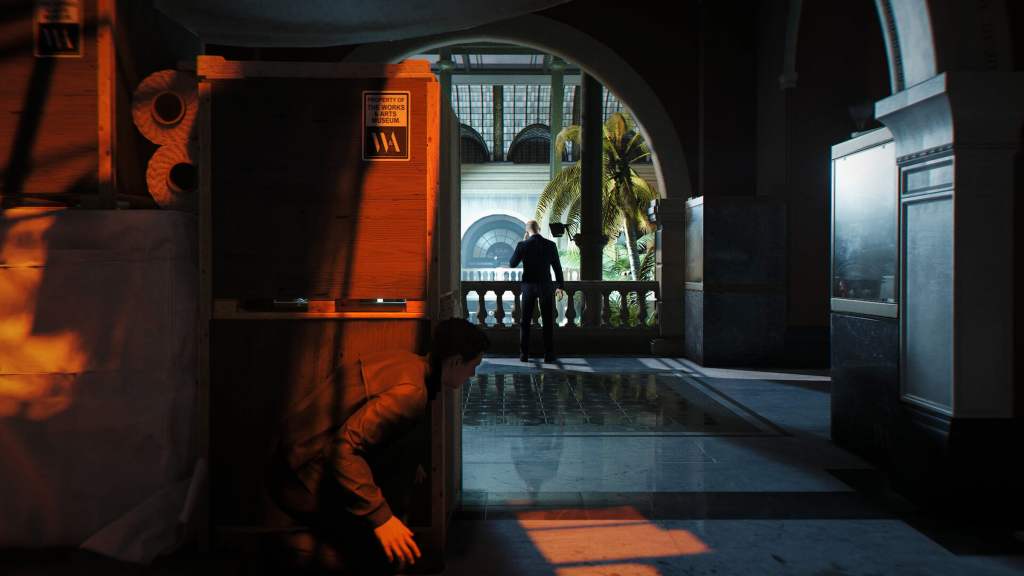
The narrative shift from Hitman to 007: First Light is very clear — even from just the small section of levels we got to play. Why did you decide to go in such a narrative-focused direction? A James Bond game could have easily leaned into the Hitman sandbox formula.
Martin Emborg: If you want to deliver on that character, Bond is someone who’s always up against the clock. If you do a sandbox Bond game, you lose a lot of that nerve — a lot of the excitement from Bond comes from needing to stop the next thing before it happens, finding something out before a deadline hits. That urgency is foundational to the character. I agree it’s a match made in heaven in terms of studio and franchise — but that doesn’t mean a Hitman-style Bond game is automatically the right approach. We spent a lot of energy making sure the creative sandbox elements remained, but we needed a good, solid, character-driven plot. You need that involvement.
Thesun Smit: When it comes to Agent 47 — to put it bluntly — he’s a cold, hard asset. It doesn’t matter what the collateral damage is, as long as the job gets done. In Hitman there’s no real limitation on what you can do; players strive for the Silent Assassin rating, but ultimately nothing is stopping you. Bond is different. He’s a real character living within an established IP that has rules of engagement, 007 training, a code he operates within. In our version of him, you meet Bond as a young Navy air crewman thrown into the world of espionage by circumstances, and everything he does is purpose-driven — earning his number, gaining his 007 status. That shapes how the whole game is built. In social spaces you lean into spycraft — eavesdropping, pickpocketing, gathering intel quietly. Then there are areas where the License to Kill opens up, the melee combat deepens, gadgets come into play between encounters. These two games are genuinely quite different from each other, and that was always the goal.
How difficult was it to step away from the Hitman identity and carve out something that feels distinctly Bond?
ME: It’s important to be clear about something: it’s not like we had Hitman and then started changing things. We stepped away from Hitman entirely and started building a new game. In that sense, it isn’t tweaking Hitman — it’s trying to make the best possible game, made by people who happen to have made Hitman. We always ask: what’s the best tool for this? How do we best serve this specific experience? Every decision flowed from that.
TS: I almost want to say it wasn’t that difficult — just because Bond is so unique. A lot of it came down to finding our Bond, finding the right actor, and when we found Patrick Gibson, things really stepped up in terms of the development. Putting his voice into the game, his tonality, his personality — from the very beginning of auditions he had something special. Sometimes you’d see people kind of cosplaying at Bond, but Patrick had a quality that was entirely his own from the start. The character journey you go on with him — the little comments he makes, the personality he brings forward — that’s a massive departure from the stoicism of Agent 47. Bond is far more charismatic, and there are beautifully crafted characters around him because we’re telling a story. Even if the DNA of stealth, gadgetry, and creative approach feels familiar, at the core there’s a Bond identity that is entirely its own.
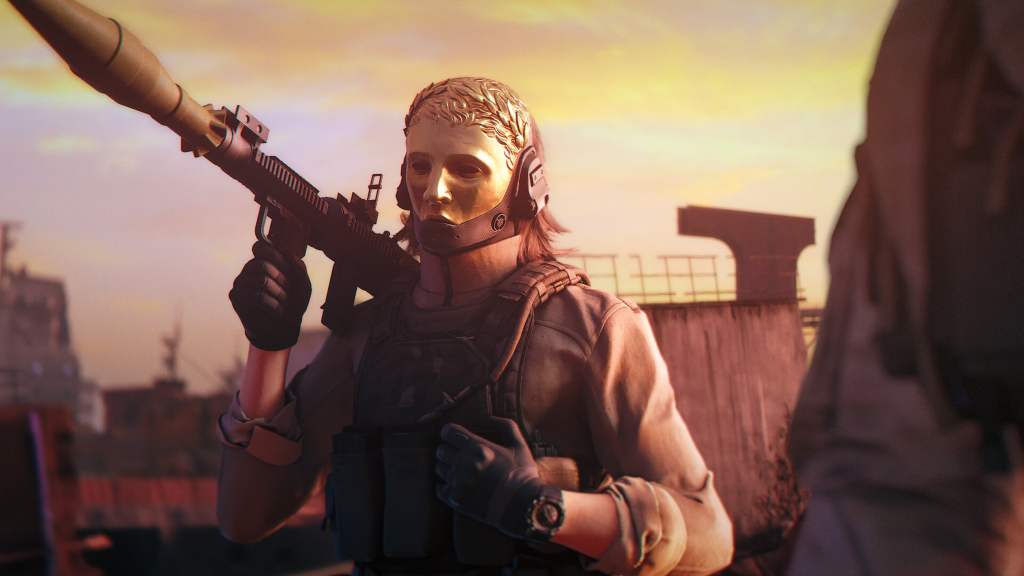
The rest of our exclusive interview with Martin Emborg and Thesun Smit continues below, covering Bond’s melee overhaul, why you can’t drag bodies, the gadget system, and whether a sequel is on the table.
From a dialogue perspective — particularly in the third level — I noticed NPCs and guards commenting on the player’s behavior in ways I wasn’t expecting. What was the thinking behind adding that layer of reactive dialogue?
ME: It’s always in service of making a living, breathing world that you actually feel like you’re inside. If it feels too much like you’re on a set path and there’s not much going on around you, we’re failing. What we call the “first creative approach” is: you enter a space and ask yourself, what can I do here? You go around, you try things, you find clues — and those opportunities overlap. You might notice something about a character, piece together that he lost something, and realize you can use that. All of that gets delivered through dialogue. The goal is always for the world to feel genuinely alive around you, not like a backdrop.
The melee combat was a genuine standout — I wasn’t expecting it at all coming from the Hitman series. How did that system come together, and how much of a priority was it?
TS: We overhauled it completely — it is its own system with a lot of depth. It’s not about repeating the same punch; it’s about comboing up, landing a gut punch, a kick, chaining combinations together, and then bringing gadgets in between the battles. You become adept at it and develop a real sense of rhythm and expression with it. One of the hardest things to get right in third-person games is targeting when you’re fighting multiple enemies, and the way we approached it — Bond is essentially the anchor point, and everything interfaces around him — was very deliberate. It’s one of the things that makes First Light feel genuinely different, not just from Hitman, but from a lot of games in this space.

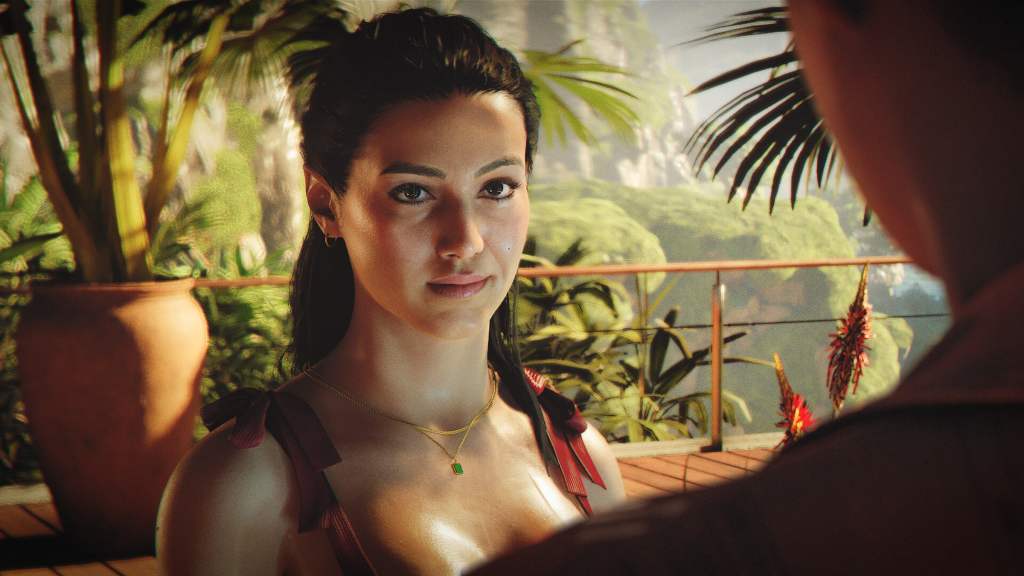
One thing I kept running into while playing — you can’t drag bodies in First Light, which is something Hitman allows. What drove that decision?
ME: It comes down to Bond’s momentum. Hitman is fundamentally about patience, being meticulous — you have all the time in the world, and that’s by design. That’s just not who Bond is. If you introduce body-dragging as a feature, you’re basically telling the player what you expect them to do. As soon as it’s there, the instinct becomes: move the body, hide it, slow down. That mindset doesn’t serve the experience we wanted to create. Bond doesn’t linger — he assesses, acts, and moves on.
The gadget system in First Light feels different from Hitman — it’s more resource-based, with pickups you collect around the level. What drove the decision to design it this way?
ME: A few reasons. For one thing, you do want to limit usage — you don’t want players just lasering through every single problem. Having two resource types also forces a meaningful choice: do I solve this with an electrical gadget or a chemical one? What do I actually have available right now? Beyond that, gadgets are part of the DNA of James Bond — but in the films, it almost functions like a checklist. Q gives him something in a briefing, he forgets about it, then he’s in trouble and suddenly remembers — and he gets out. We needed to make gadgets systemic, usable at any time in any situation, in whatever way the player wants. But we also didn’t want players relying on gadgets exclusively. So the resource system nudges people to mix up their playstyle — lean on instinct, use the rules of engagement, bring gadgets in when it makes sense. It’s a broad-spectrum game, and we want players using the full range of what it offers. And it’s also a great reason to actually explore the environment.
Hitman had a very substantial post-launch pipeline — Contracts mode, elusive targets, collaborations. What does post-launch look like for First Light?
ME: That’s what the Tactical Simulation volume in Q Branch is designed for. You can go in, train, replay missions, talk to characters like Selina Tan, and re-experience levels you’ve already completed — but with the ability to augment and change them. From a narrative standpoint, the framing as a training program was important to us because we didn’t want post-launch replayability to compromise the story. It needs to feel like it belongs in the world.
TS: This is still an IO Interactive game, and what that means is: the launch is just the start. We have quite a robust close-launch plan in the form of Tactical Simulations, headed up by Dr Selina Tan, played by Gemma Chan. That’s launching alongside the game, and in the months and years to come we’re planning to grow it — more content, new missions, challenges, unlocks, upgrades. There’s a really good foundation being laid here for players. And as for collaborations specifically — let’s wait and see on that one.
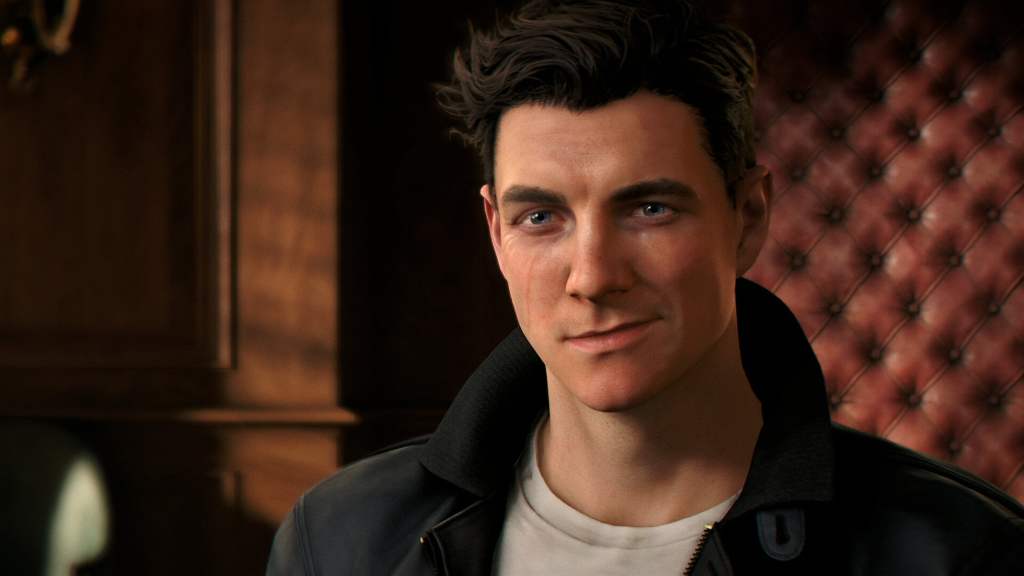
What made you decide to tell a reimagined origin story for Bond rather than adapt something from the existing 60-plus years of the franchise?
TS: That was actually a qualifier for us even wanting to pursue this. When the opportunity came along to work with this IP, it was important to us that we were not doing a retelling of a previous film or game. We wanted to put ourselves into this — to tell our own story. The reimagined origin framework gave us room to do things unexpectedly, keep the core elements that Bond fans know and recognize, but at the same time build something genuinely new. It also means the player and Bond are on the same journey — you’re discovering who he is at the same pace he’s becoming that person. That closeness between player and character was something we really set out to achieve, and I think we’ve achieved it.
Hitman has had multiple sequels. Is First Light intended as a standalone, or is there potential for a follow-up?
TS: The future is the future. If that’s the direction we end up going, I think a lot of people will be quite happy about it. But right now, First Light is where all of our focus and passion are. Let’s get this one across the finish line, get it into players’ hands, have that success — and then see where things go from there.

At the end of both interviews, the tables were turned — what was the one thing that stood out to you most from the hands-on?
Darrus Myles Jr. [to Martin]: The reactive NPC dialogue, honestly. I was walking around the level multiple times trying to figure out what to do next, and I heard the guards throw out two or three completely different lines, commenting on my walking around aimlessly. It was funny. It caught me off guard — I wasn’t expecting it. It seems like a small thing, but from a world-building standpoint it added a lot.
DM [to Thesun]: The melee combat, without question. I did a run where I was just punching through as much of it as I could — at least through the early parts before the License to Kill part opened up. Coming from the Hitman games, a system like that isn’t something you expect at all. The targeting in particular stood out. Fighting multiple enemies in third-person is notoriously hard to get right, but the way it’s set up — where Bond is essentially the anchor and everything else interfaces around him — felt really well thought through.
007: First Light is developed IO Interactive and is slated to release May 27, 2026.
What do you think? Leave a comment below and join the conversation now in the ComicBook Forum!
More Gaming
-

Image Courtesy of Dreamworks -
Image Courtesy of Electronic Arts -
Image Courtesy of Electronic Arts