IO Interactive set the stage in Los Angeles, and for a few hours I was invited into what felt less like a preview and more like a performance in motion. Thanks to IO Interactive, I was flown out for a hands-on session with 007 First Light, spending roughly 4 to 5 hours with the game, enough time to move past surface impressions and understand what it is trying to become. This was not a tightly curated vertical slice built only to impress in isolation. I played through three distinct missions and experimented with systems while doing my best impression of a very methodical secret agent who probably should not be left alone with expensive equipment.
Videos by ComicBook.com
What became apparent early on is that First Light is not IO Interactive dressing its familiar design philosophy in a Bond aesthetic. There is a noticeable shift in intent, one that leans heavily into narrative structure, character progression, and a more guided sense of momentum. I will avoid diving into specific story spoilers, but the experience itself and how it unfolded, is worth unpacking. There is a compelling foundation here, even when certain elements are still tightening their cufflinks.
First Light’s Story Puts Bond Front and Center From the Start
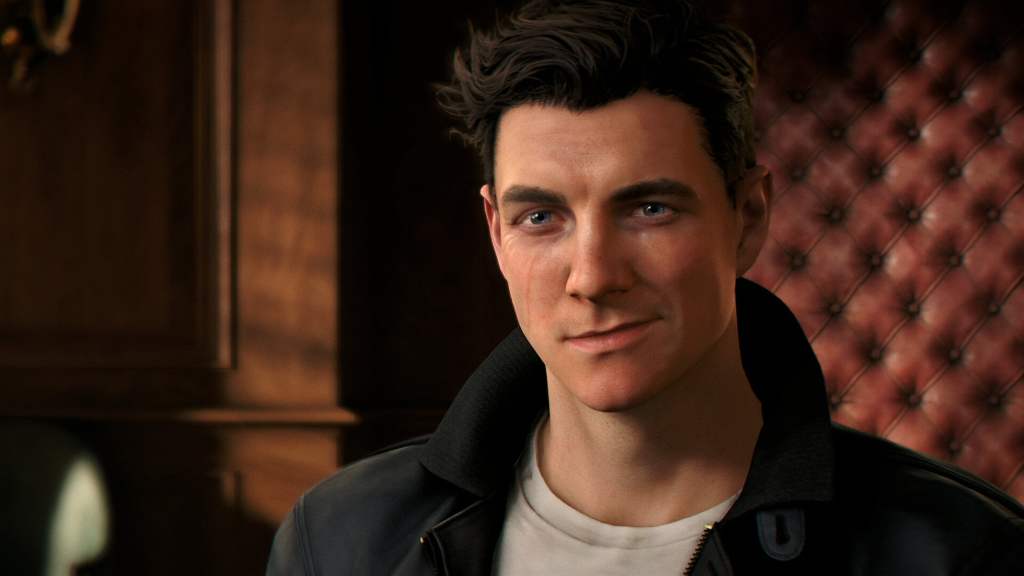
Within the opening moments of its cinematic introduction, First Light makes its priorities crystal clear with the confidence of someone ordering a martini without checking the menu. Rather than easing players into an open-ended sandbox, the game begins with Bond as a navy crewman caught in a sudden, violent attack that leaves he and his squad scattered and presumed dead at sea. I was not observing this from a safe narrative distance. I was climbing through wreckage, scrambling across unstable surfaces, and pushing forward while the game taught movement in real time, occasionally while everything around me looked like it had been politely set on fire. I was being guided around via voice comms in-game, I was still the one making every awkward, slightly panicked decision about where to go next.
Across the three levels I played, that narrative focus never wavered. Each mission pushed Bond forward in a clear way, showing different stages of his development rather than resetting the context each time like a spy who forgot his own backstory. The first mission established who he was before becoming 007, the earliest possible point in Bond’s career. The second reinforced his capability through structured training. The third leaned fully into the composed, dangerously competent agent fans expect. Dialogue, mission setup, and character reactions all reflected that progression, sometimes with surprising sharpness. It gave each level weight, making them feel like connected chapters despite being many hours apart from each other in the actual full release.
The first mission did a lot of heavy lifting in defining this version of Bond, mostly by throwing him into situations where hesitation was not an option despite him having absolutely no spy training whatsoever. Without diving into spoilers, it showed how he reacts under pressure, how quickly he adapts, and what he is willing to do when everything goes sideways. This is a Bond who is not really James Bond yet, more like James “we are still evaluating your application” Bond. Still, that made his early decisions more revealing than expected. The game lets you accidentally become him through survival, awkward traversal, and the occasional moment of “well that probably wasn’t in the training manual.” It was a treat to witness such humble beginnings.
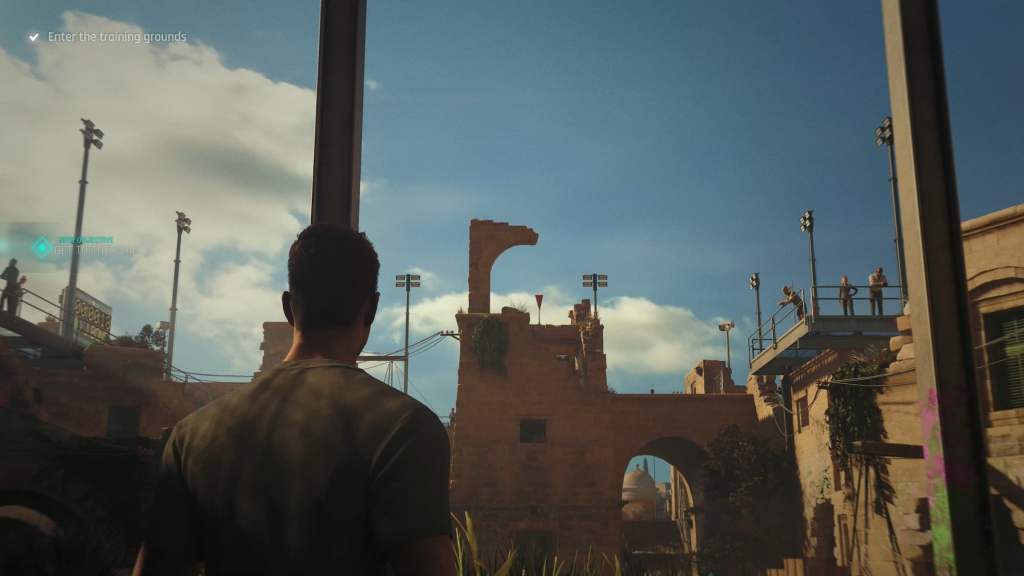
The second mission shifted into a controlled training environment, which felt like spy school if spy school had a strong emphasis on making you climb things while heavily armed people politely tried to stop you. The objective was simple on paper: capture a flag positioned across a multi-layered area. In practice, it involved navigating a dense field of enemies and learning when to move like a professional and when to move like someone absolutely certain they are about to be spotted. I spent a good amount of time replaying this mission, at IO Interactive’s request, experimenting with approaches, and generally treating the exercise as both a test and a playground. IO Interactive clearly designed it to be revisited, and it worked, because every attempt revealed another way to approach the same problem with varying levels of elegance and panic.
By the third mission, that transformation had fully taken shape. Bond carried himself differently from the previous two missions, and the tone of interactions shifted closer to the version of the character most people recognize from films, novels, and general cultural osmosis involving expensive suits and catastrophic international misunderstandings. Without going into specifics, it was the most recognizable version of the character I experienced during the session. It leaned fully into the Bond fantasy, complete with composed dialogue, confident positioning, and moments that felt like they should be followed by a slow sip of something expensive. It felt like the payoff of everything the earlier missions were building toward, and it was genuinely satisfying to see that evolution happen over just a few hours of play.
Gameplay Is Built on IO Interactive’s Hitman DNA With a Clear Bond Twist
At a glance, First Light’s gameplay feels familiar, especially if you have spent time with IO Interactive’s previous work, but it gradually shifts into something more layered and expressive. Movement is built around contextual actions rather than freeform jumping, with prompts guiding traversal across gaps, ledges, and environmental obstacles. During the opening mission, I spent a fair amount of time engaging with these systems, learning the rhythm of movement while trying not to fall off things that looked significantly more stable than they actually were. It is structured, but intentional, like the game is politely insisting you learn how to walk before it lets you run into international espionage.

Stealth builds on that foundation in predictable ways, but it remains effective. I tracked enemies through walls, moved between cover, and eliminated unaware targets to clear paths forward with varying degrees of professionalism. These systems are not trying to reinvent stealth, but they are cleanly implemented, which makes them reliable from the start. It was not until the second mission that things began to open up properly. The training scenario acted like a controlled environment designed to encourage experimentation.
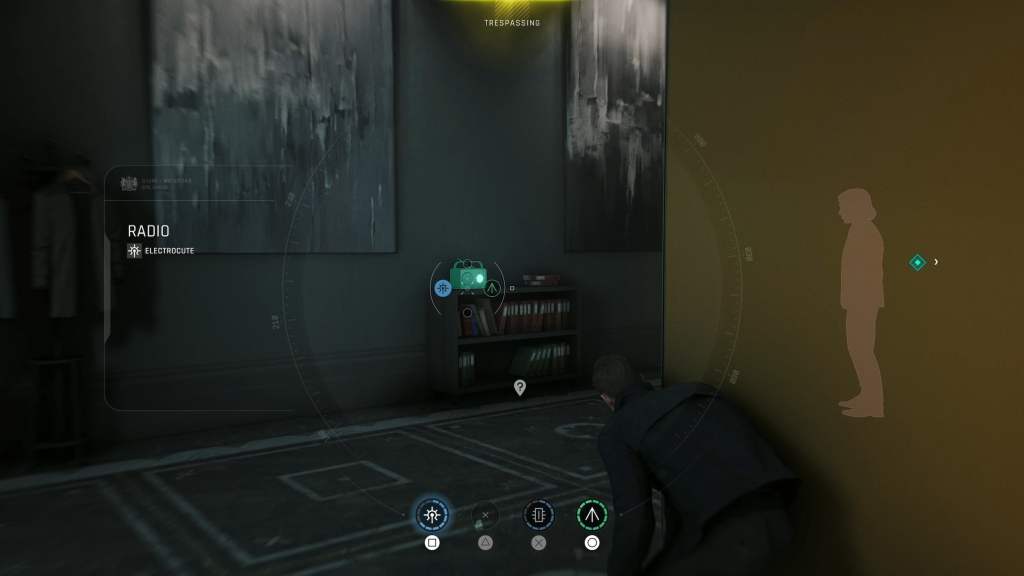
Gadgets are where things start to feel distinctly Bond, in both practical and slightly mischievous ways. I had access to tools like the Q Watch for manipulating electronics, the Q Lens for analyzing environments, and a dart-firing smartphone that allowed me to quietly remove targets by inducing sudden, inconvenient illness. These gadgets were split into electronic and chemical categories, each tied to its own resource pool. That meant I had to think carefully about when to use them, rather than treating them like infinite party tricks issued by MI6.
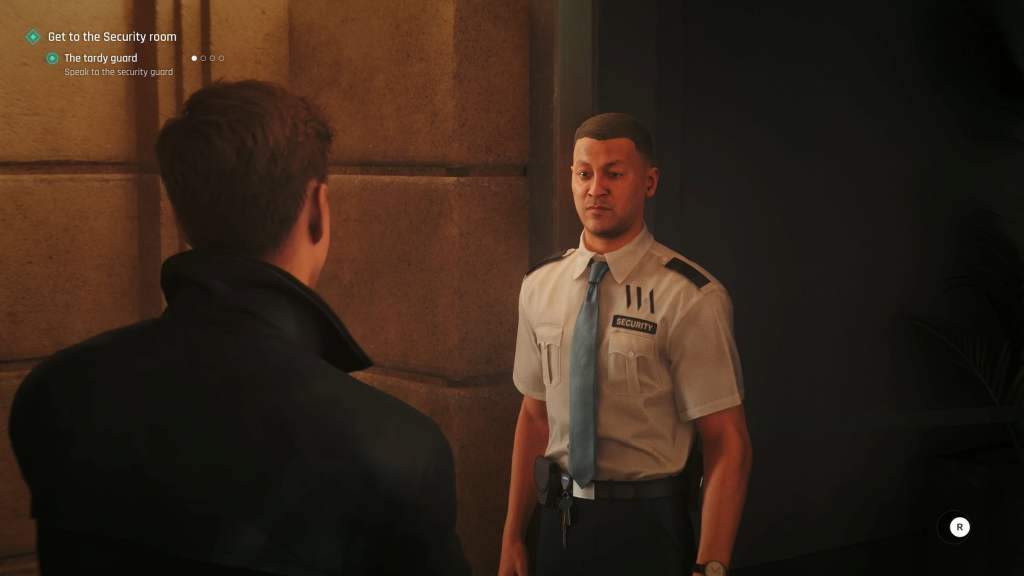
One sequence during the third mission stood out as the clearest example of how all these systems come together. I needed access to a secured area that required a security pass, which I did not have, but several systems and one very unlucky staff member did. Through eavesdropping, I learned she had the pass, though she was being closely monitored by a guard who seemed professionally invested in not moving from his spot. I used the Q Watch to trigger a malfunction in a nearby museum attraction, drawing the guard away with the kind of distraction that says “please investigate this immediately, nothing could go wrong.” In the resulting opening, I used the dart smartphone to make the staff member sick, forcing her to leave her post with surprising urgency. That allowed me to take the pass and proceed without detection, completing the sequence like quietly conducting a very polite heist.
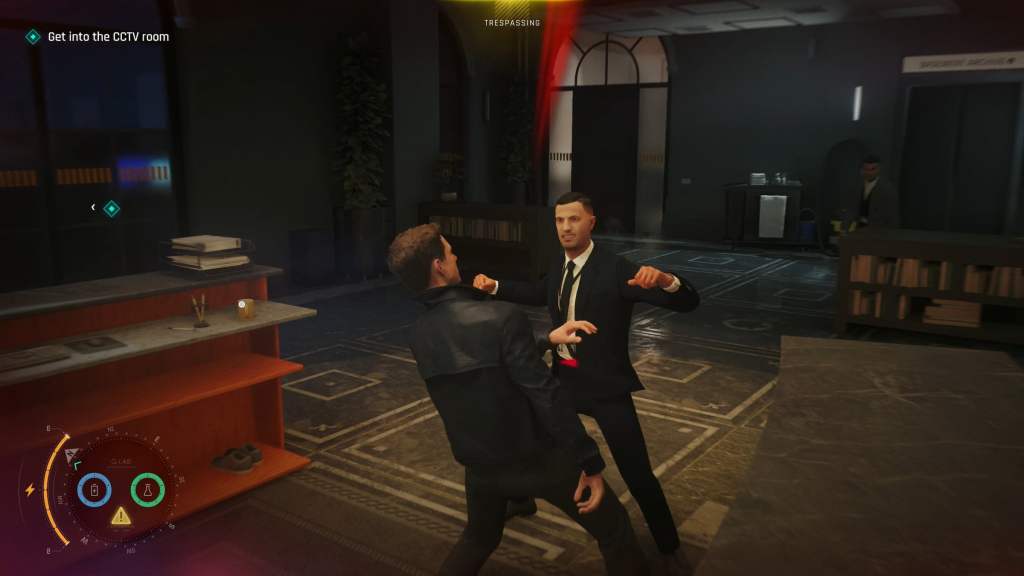
When stealth inevitably broke down, melee combat took over, and it turned out to be one of the most satisfying systems in the game for me. Instead of traditional targeting, I had to react to enemy attacks using timed dodges, blocks, and parries. A yellow indicator would appear on enemies to signal incoming strikes, which I learned to respect very quickly after ignoring it once or twice with predictable results. Successful counters opened up follow-ups like grabs and environmental takedowns that felt weighty and deliberate. Grabs could flow into knee strikes or head slams against nearby surfaces, which is exactly as dramatic and slightly excessive as it sounds. On higher difficulties, mistakes were costly enough to remind me that Bond, while competent, is not invincible, just extremely determined and occasionally stubborn in close quarters.
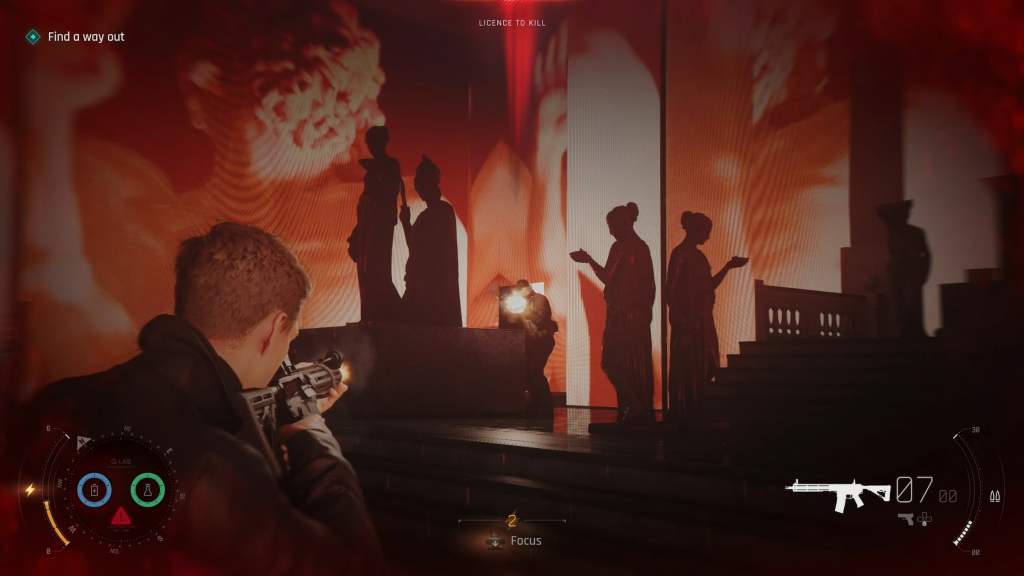
Finally, Bond’s famous License to Kill comes into play when situations escalate beyond non-lethal solutions. As far as I could tell from my play %session, I could not equip lethal weapons until these breaks downs occurred, which fits with Rules of Engagement any good spy should be following. The shift into full combat changes the pacing into a more traditional third-person shooter structure without abandoning the underlying systems. Melee still remains viable even in these situations, which means you can, in true IO fashion, decide that punching someone is still an acceptable solution even while bullets are involved. It is chaotic, slightly theatrical, and very on brand for a character who has always treated escalation as part of the job description.
A Strong First Impression With a Few Gripes
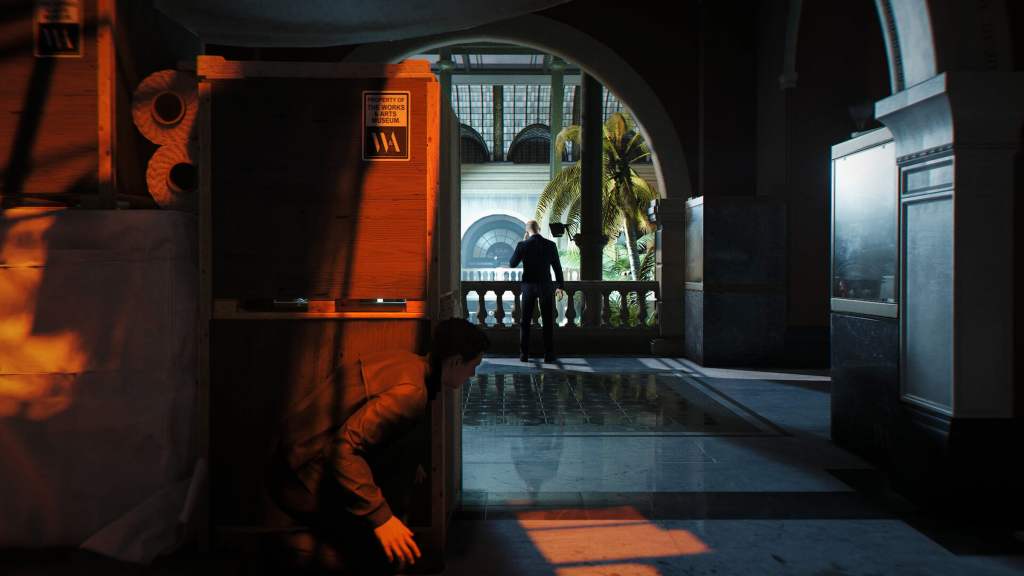
After several hours with First Light, it is clear that IO Interactive is building something that blends its strengths with a new narrative direction. The combination of open-ended level design and stronger storytelling works more often than it does not, creating moments where systems and story align in ways that feel intentional. There were several instances where I stopped just to appreciate how naturally an interaction had unfolded, even if it involved questionable use of a dart smartphone and poor judgment around surveillance cameras.
The narrative is easily one of its strongest pillars. Watching Bond’s progression across the three missions gave the experience a sense of continuity that feels more structured than IO’s previous work. Each level added context, built on prior events, and reinforced the direction of the character’s development. It made the experience feel cohesive, almost like reading a spy dossier that slowly becomes more personal with each entry. That sense of progression gives the game a stronger emotional throughline than expected.
I did, however, have a few grips about a couple of elements in the gameplay. The gadget resource system, while functional, felt slightly too mechanical in execution for my liking. Collecting clearly marked resources scattered throughout levels occasionally interrupted the fantasy of being a highly trained agent who presumably carries more than two batteries and a hopeful attitude. It works from a balance perspective, but it does pull you back into “video game logistics” at moments where immersion is doing its best work elsewhere.
Another noticeable limitation was the inability to move bodies after taking enemies down. In a stealth-focused experience, this restriction stands out quickly. If a body is discovered, it can disrupt an entire approach, and recovery options are limited, which often led me to reconsider otherwise clever plans. It is a strange omission given IO Interactive’s history with similar systems.
Even so, what I played left a strong impression overall. First Light already has the foundation of something confident, stylish, and occasionally very clever, even when it is still adjusting its tie in the mirror. It’s Hitman roots are clear as day, but the strong narrative pivot First Light is really diving into really kept things feel fresh throughout my session. I think fans of both Hitman and James Bond are really going to like what First Light showcases, and it could become something genuinely memorable when it launches May 24, 2026.
What do you think about 007 First Light? Leave a comment below and join the conversation now in the ComicBook Forum!
More Gaming
-

Image Courtesy of Dreamworks -
Image Courtesy of Electronic Arts -
Image Courtesy of Electronic Arts