Multiplayer gaming looks vastly different than it did when it first came about. Today, most games are played fully online with friends and strangers across the world. Multiplayer is one of the biggest drivers of the video game industry, but there was a time when it was more intimate. Local multiplayer was the norm, but it slowly faded in favor of online multiplayer. Yet, couch co-op and local multiplayer have seen a major comeback, and it stemmed from a strange place. A game that puts four players in a kitchen, gives them basic cooking tasks, adds a timer, and makes everything around them actively work against them. It turned communication, coordination, mistakes, and frantic shouting into the entire point of playing together. Few games have made teamwork this entertaining.
Videos by ComicBook.com
Overcooked was first released on August 2, 2016, and it basically revived couch co-op games for a new generation. Developed by Ghost Town Games and published by Team17, it was deliberately built around chaotic local multiplayer for up to four players. The developers were even told during the pitching process that there might not be an audience for local multiplayer, according to Phil Duncan, one of Ghost Town Games’ founders. The game’s success proved otherwise. What makes its legacy especially interesting is that other developers soon realized the formula could apply to almost anything.
Overcooked Made Ordinary Chaotic
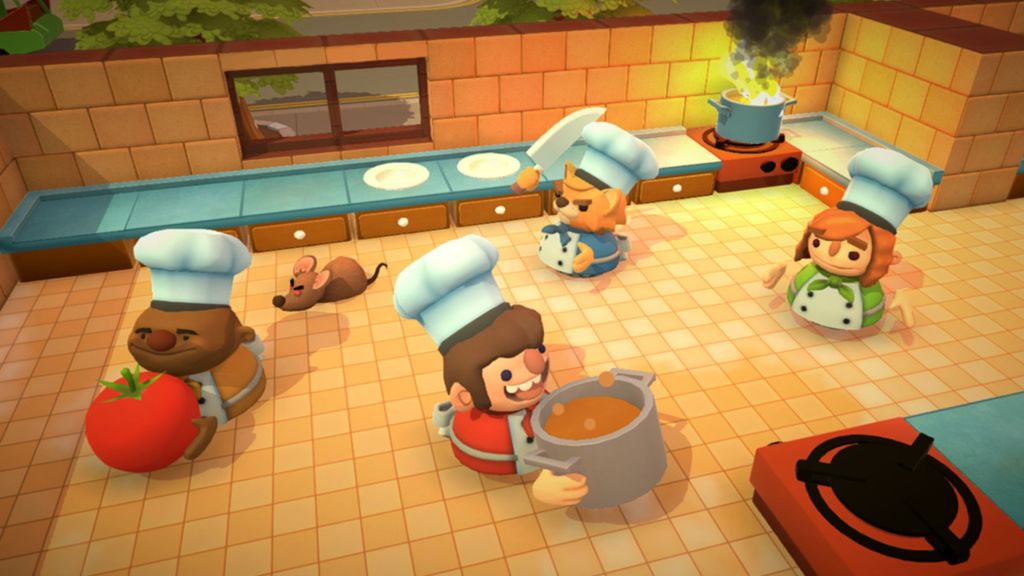
The brilliance of Overcooked was never really about cooking. Cooking simply gave Ghost Town Games an excellent framework for cooperative gameplay. Players could understand chopping ingredients, preparing meals, washing dishes, and delivering orders almost immediately. The complexity came from having to perform those basic tasks while the kitchen itself became increasingly hostile, as well as your friendship becoming more strained as one player made a costly mistake and failed a level.
That distinction is important. The game was designed around physical coordination between players rather than complicated recipes. The developers were more interested in how cooking could bring people together rather than accurately simulating the finer details of cooking. Keeping the recipes simple allowed gameplay to focus on chaos. This chaos is delivered in strange level designs, hilarious gimmicks, and the simple confusion as players navigated all this.
That design created some of the funniest multiplayer memories a game could produce. A teammate forgetting an ingredient, somebody dropping a dish, or two players blocking the same path could turn a straightforward order into a disaster. I have always found that kind of multiplayer failure more memorable than simply losing a competitive match. Nobody has to be the enemy. Sometimes the enemy is three onions, a dirty plate, and the friend who refuses to move out of the way.
Its Co-Op Influence Went Far Beyond Cooking
Once Overcooked demonstrated that an everyday activity could become an effective multiplayer game, developers had a blueprint for experimentation. Moving Out is probably the clearest example. Released in 2020, it transformed moving furniture into a frantic cooperative challenge, requiring players to coordinate while carrying objects, navigating obstacles, and getting everything into a truck. Contemporary coverage openly compared its design to Overcooked, while Team17 even offered discounts on Moving Out to owners of Overcooked and other co-op games.
Catastronauts took the same basic idea somewhere completely different. Instead of running a kitchen, players operate a spaceship under attack, simultaneously repairing damage, extinguishing fires, and firing weapons. The concepts are similar, but the execution is different and brings new challenges to friend groups. We’ve seen this concept applied to all manner of games, with the most recent being RV There Yet.
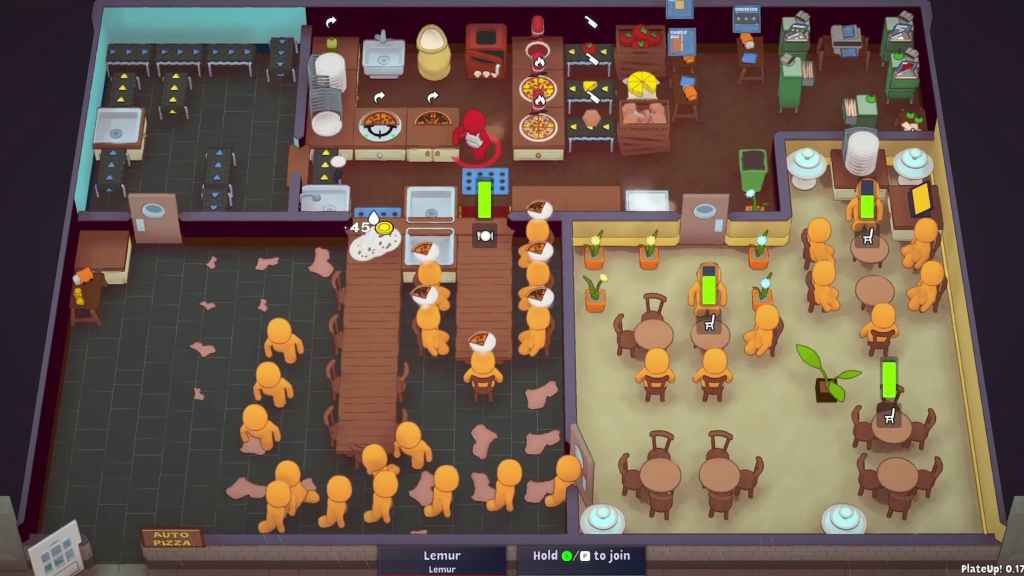
But one of my favorites is PlateUp!, which demonstrates how far the formula could evolve. It took inspiration from Overcooked and other chaotic co-op games. What makes this title unique is that it uses a roguelike approach rather than offering structured levels. The chaos comes from increasingly challenging tasks and the fact that it can all come crashing down in a moment. But the reward and feeling of satisfaction make all the stress worth it.
The Couch Co-Op Revival Is Overcooked‘s Real Legacy

It would be inaccurate to say Overcooked invented couch co-op. Nintendo, fighting games, party games, and countless earlier titles had already kept local multiplayer alive. What Overcooked did was demonstrate how effective a modern game could be when local multiplayer was not an extra feature, but the central design philosophy. The first game did not even include online multiplayer, making its commitment to playing together in the same room unusually direct for a 2016 release.
Its impact can also be seen in how quickly the market filled with games built around the same broader concept: take something recognizable, give every player a job, introduce a time limit or escalating hazards, and force everyone to communicate. Moving Out, Catastronauts, PlateUp!, Tools Up!, Unrailed, KeyWe, and many other cooperative games fit into the larger wave that followed. Many of the zany couch co-op games appearing on the market were inspired by the success of Overcooked.
Overcooked did not single-handedly bring couch co-op back, but it showed that local multiplayer could be the entire identity of a game. It proved that players did not need elaborate combat systems or competitive rankings to have an unforgettable multiplayer experience. They could cook, move furniture, run a restaurant, repair a spaceship, or handle another ordinary job, provided the game gave them enough opportunities to fail together. Without Overcooked, couch co-op games would not be where they are today. Its greatest achievement was not making cooking chaotic, but showing the industry just how much fun chaos could be when everyone was sitting on the same couch.
More Gaming
-

Paramount – Legendary Pictures -

Courtesy of Evil Empire -

Courtesy of Saber Interactive