As a kid, I grew up playing Nintendo and PlayStation because I love colorful platforming games and narrative-rich RPGs. But it was neither of these games that made me want an Xbox 360, but rather Gears of War. From there, I went on to play many games on the Xbox 360, and none have stayed with me as the best RPG on the console has. It blew me away as a kid, and it still holds up today. Yet, despite its loyal fan base, Microsoft is just sitting on the game.
Videos by ComicBook.com
Eighteen years ago, Lost Odyssey arrived on the Xbox 360 and delivered an experience that left many calling it one of the best RPGs of all time, myself included. Developed by Mistwalker and led by Final Fantasy creator Hironobu Sakaguchi, it delivered a traditional turn-based JRPG experience with modern production values that made it feel ahead of its time. Players have asked for a remake for years, but so far, the best attempt has been a modern port through backward compatibility, not a full revival with updated assets and systems. With RPGs making a strong comeback thanks to Clair Obscur: Expedition 33, it is time that changed.
Lost Odyssey Is One of the Best RPGs of All Time
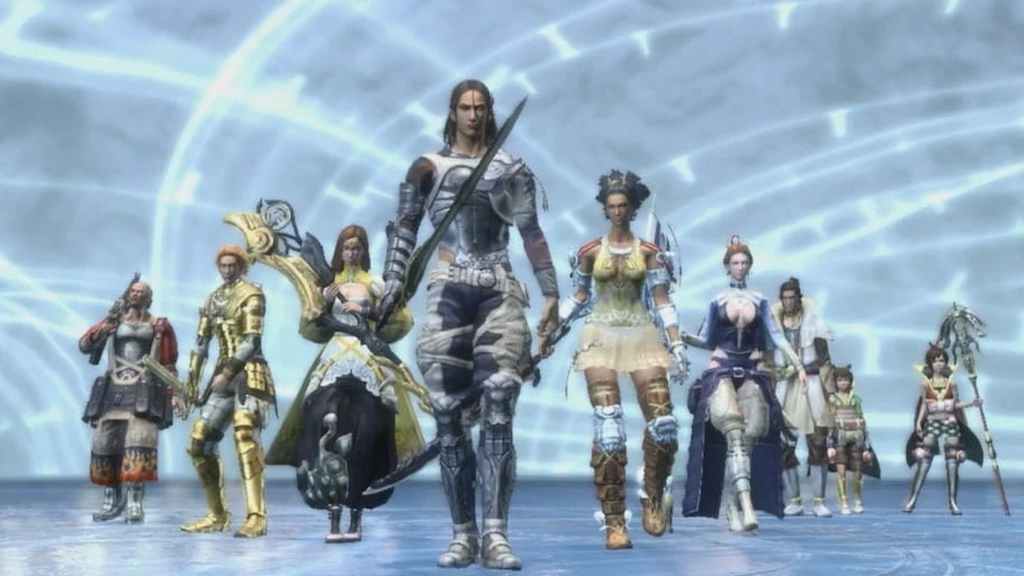
Lost Odyssey was first released in Japan in 2007 and launched internationally in 2008 for the Xbox 360, finally reaching players worldwide. It was directed by Hironobu Sakaguchi, one of the creators of Final Fantasy and Chrono Trigger, and featured a full score by longtime collaborator Nobuo Uematsu. That pairing alone drew immediate attention from JRPG fans, who associated their work with classic-era role-playing games.
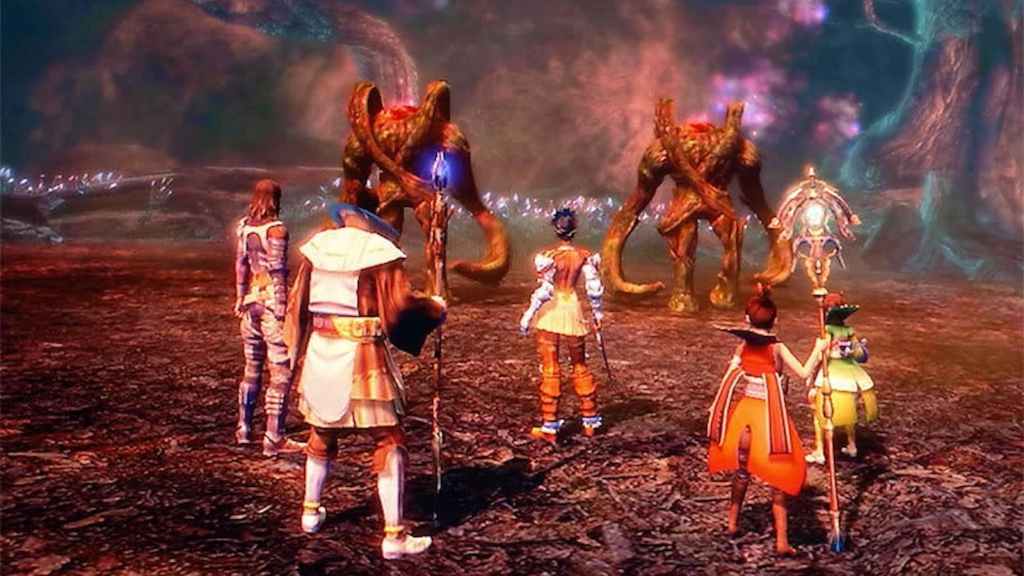
The combat system stayed firmly turn-based at a time when many big RPGs were moving toward real-time action. Instead of following that shift, Lost Odyssey refined traditional mechanics. Its ring timing system added an active input layer to attacks, rewarding player focus without abandoning menu-driven structure. Party management, skill linking between immortal and mortal characters, and multi-phase boss encounters added depth across the long campaign that further made it stand out among traditional JRPGs.
Lost Odyssey also featured a massive scale, and that mattered. The game shipped across multiple discs and delivered dozens of hours of story content, side quests, and optional challenges. Town hubs, world map travel, and dungeon design followed classic JRPG structure, which appealed strongly to players who felt that style was becoming less common on home consoles at the time and gave it a modern reimagining.
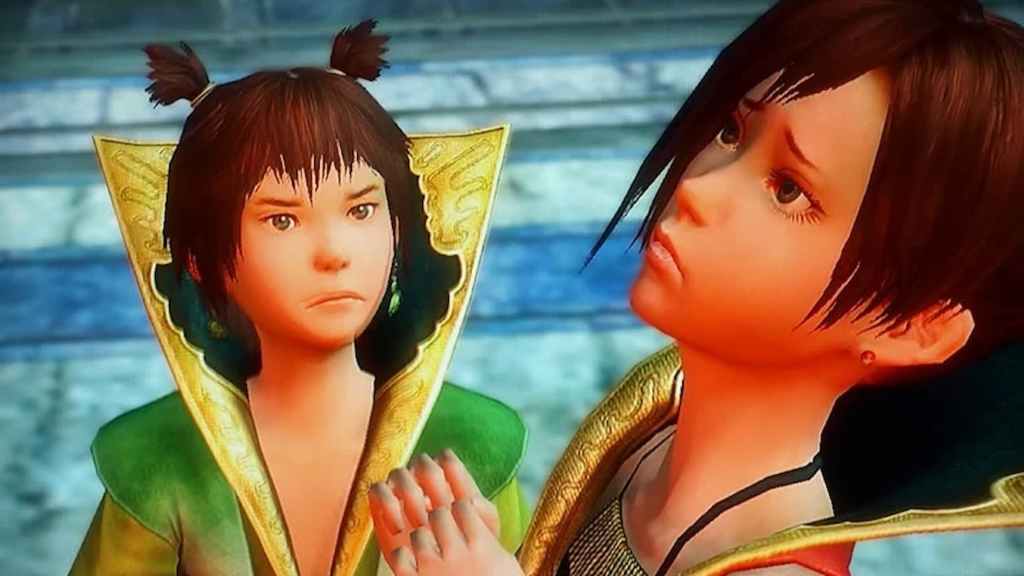
But what truly set it apart and made it a fan favorite was how it handled storytelling. The immortal main character’s memories were told through unlockable written sequences called “A Thousand Years of Dreams,” authored by Japanese writer Kiyoshi Shigematsu. These were text-driven stories rather than cutscenes, and many players and critics praised them for their emotional depth and literary style. They explored loss, regret, love, and time in a grounded, human way that remains with me today. I still remember pausing my progress just to read them slowly because the story felt too good to rush past and added so much to the gameplay.
Lost Odyssey Being Exclusive Is a Shame
One of the biggest reasons Lost Odyssey did not reach a wider audience was platform exclusivity. It launched only on Xbox 360. At that time, much of the core JRPG audience was concentrated on PlayStation platforms due to brand history and prior library strength. The Xbox brand was popular in Western audiences, but not in Japan. As a result, the game underperformed in key markets. That platform gap meant many dedicated RPG players never tried it at launch. Word of mouth grew, but access remained limited. Over time, Lost Odyssey would grow in popularity, but the numbers came too late.
Fan demand for a remake or remaster has remained consistent for years. Whenever Xbox backward compatibility updates were announced, players looked to Lost Odyssey each time. Microsoft eventually made it playable on newer Xbox consoles through backward compatibility. That preserved the experience and improved availability, but it is still very different from a full remake or modern remaster with upgraded visuals, interface improvements, and pacing refinements.
Lost Odyssey is an interesting story. The game is incredible, but it ultimately failed due to its release plan. Had it been released on the PlayStation as well, there is a good chance we would see a sequel or a modern remake because the game would have reached a wider audience. When a title stays locked to one console family, even a great one, it can heavily affect sales. That is a major reason Lost Odyssey is often labeled one of the best Xbox 360 RPGs rather than universally recognized among the best RPGs overall.
The RPG Revitalization Is Perfect for Lost Odyssey to Return
The current RPG landscape is far more welcoming to classic design than it was in the early 2010s. Turn-based RPGs are no longer dismissed as outdated by default, in part due to the overwhelming success of Clair Obscur: Expedition 33. Both Japanese and Western studios have released successful titles built around slower, strategic turn-based combat and story-driven progression. Games like Persona 5 and Baldur’s Gate 3 are other driving points for turn-based RPGs growing in popularity once more.
There is also strong momentum behind legacy RPG revivals. Remakes and remasters of older role-playing games continue to perform well, with Dragon Quest VII Reimagined being the latest and greatest example. The demand for classic turn-based RPGs to be revived through remakes and remasters has never been higher, and this trend will likely grow as these projects reach higher success. That trend creates a perfect opening for Lost Odyssey. A modern remake could refine pacing, update visuals, add voice work to written memory sequences, and streamline interfaces while preserving the core design that fans value.
It remains one of the few Xbox 360 RPGs I remember primarily for its characters and themes rather than just systems, and I’m not alone. Its story turns, and memory chapters stayed with me long after other bigger-budget releases faded. That kind of staying power shows why remakes succeed, because they give incredible stories a second life. Fans have been asking for more than a port for years, and with RPG interest high and nostalgia in full swing, the timing has rarely looked better. Eighteen years later, Lost Odyssey still ranks among the best Xbox 360 RPGs and still deserves a true return.
What do you think? Leave a comment below and join the conversation now in the ComicBook Forum!
Most Viewed
-

Sony Pictures -
Image Courtesy of Marvel Comics -

Image courtesy of The Pokemon Company -

Image Courtesy of HIDIVE -

Image Courtesy of Netflix -

Image Courtesy of Marvel Studios