Sometimes a series makes a radical change that alters it forever. All it takes is one game to experiment, and this did just that to an iconic franchise. It arrived on a console when technology was embracing 3D design and player expectations were shifting. I still remember this game today, as it was my introduction to a series that would become one of my favorites. It showcased the experimental nature of game development perfectly, and even if the series lies dormant now, it is a testament to how big it was at one point.
Videos by ComicBook.com
Castlevania, released on the Nintendo 64 in 1999, was the first game in the series to go 3D. While later titles would go back and forth between this and the classic 2D perspective, it was a standout for the time. The series had long been one of those defining 2D platformers. To see it in 3D was surreal for fans and helped pave the way for Castlevania’s success. Without this leap, one of the most iconic Gothic action series of all time might look very different today.
Castlevania 64 and the Leap Into 3D
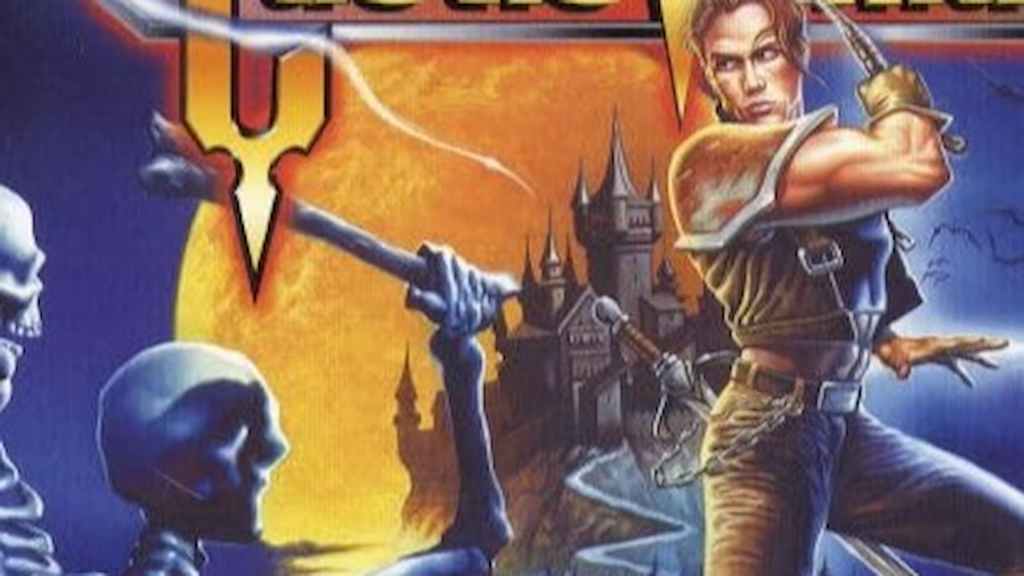
Castlevania 64 is the 15th installment in the series and was a pivotal moment for the franchise. Often referred to as Castlevania N64, it was the first fully 3D entry in the series, arriving roughly 12 years after the original Castlevania debuted on the NES in 1986. In those twelve years, the series had established a strong reputation built on precise platforming, side-scrolling combat, and gothic atmosphere. It was one half of the Metroidvania genre, and a key part of this was its 2D identity. Transitioning that identity into 3D was no small task.
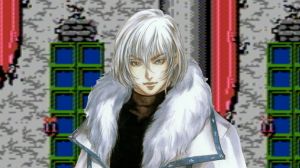
I remember booting it up for the first time and feeling equal parts excitement and confusion. I had never played a Castlevania game before, so I had no idea what to expect. The environments were moody and ambitious, combat demanded spatial awareness that tested me unlike other games, and platforming was tense and unforgiving. But the game had its flaws: the camera felt awkward, combat was challenging, and platforming could be frustrating. As a kid, it took me ages to beat the game, but I was proud of it.
Despite its flaws, Castlevania 64 was bold. It experimented with multiple playable characters, branching paths, and cinematic presentation. It tried to translate the feeling of exploring Dracula’s castle into a fully realized 3D space, long before design conventions for that kind of transition were fully established. It did not always work, but when it did, it felt great. After beating it, I would make an effort to play through the other games in the series because I loved Castlevania 64 so much.
How It Changed the Castlevania Series Forever
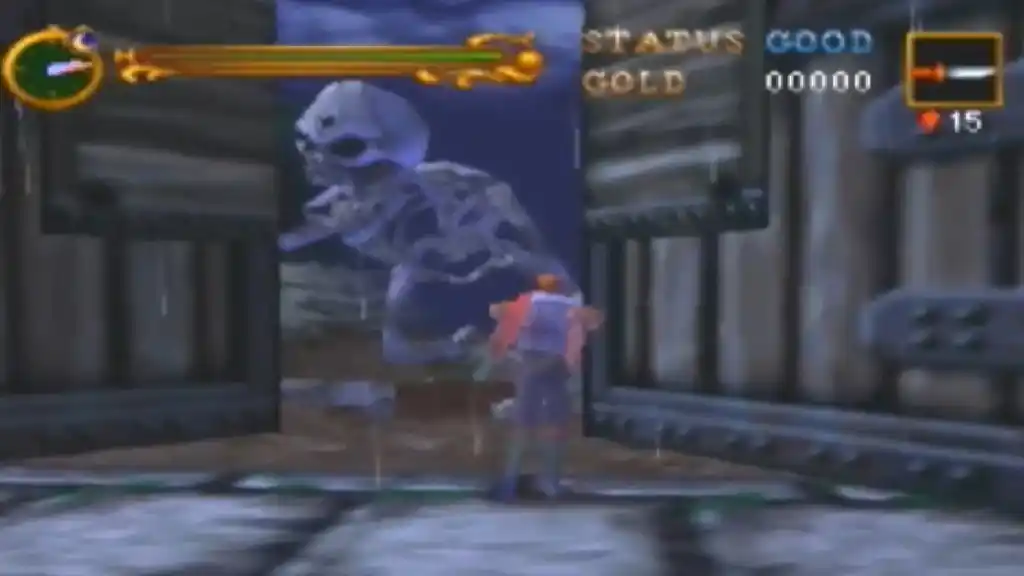
The influence of Castlevania 64 is often overlooked because it did not immediately define the future of the franchise. That role is usually attributed to Castlevania: Symphony of the Night, which popularized the Metroidvania formula and reshaped the series in 2D two years prior. But the N64 experiment planted important seeds that would come to fruit in later years.
First, it proved that Castlevania could exist beyond strict side scrolling. Even though Konami returned to 2D for many entries, the idea of exploring large interconnected spaces from different perspectives became central to the series’ identity. The sense of scale and atmosphere attempted in Castlevania 64 would later inform 3D entries like Castlevania: Lament of Innocence and Castlevania: Curse of Darkness on PlayStation 2, and even Castlevania: Lords of Shadow. It showed what worked, what failed, and what needed refinement. Without it, these 3D attempts would not have had a foundation to build upon.
Second, it forced the series to grapple with cinematic storytelling. Camera angles, character interactions, and environmental storytelling became more prominent. While early 3D limitations held it back, the ambition was clear. That ambition carried forward into later games that leaned more heavily into narrative presentation and world-building. One could also argue it was this cinematic infusion that ultimately led to the animated series on Netflix, which proved to be immensely popular.
Castlevania’s Absence & What the Future Could Hold
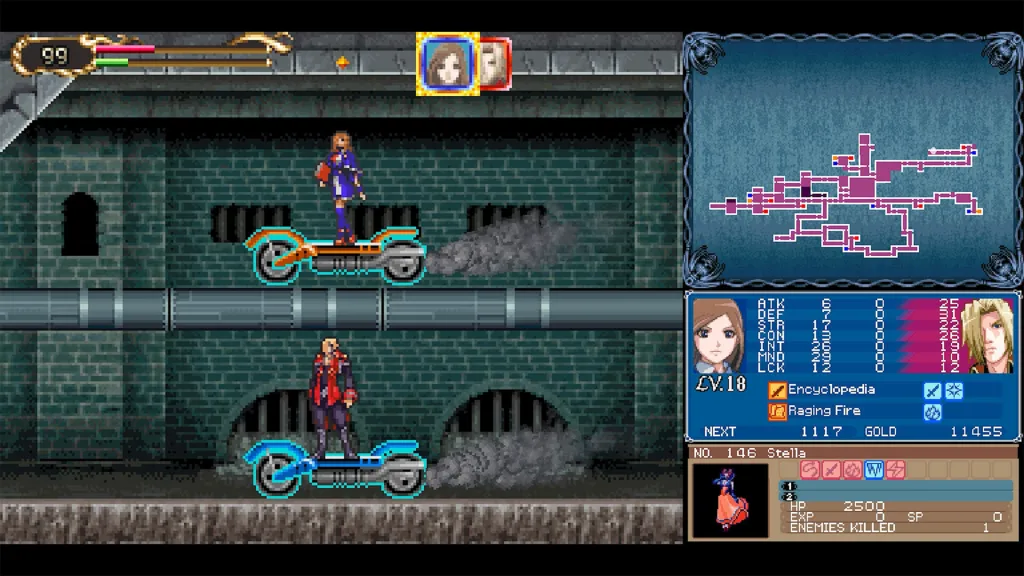
Today, Castlevania exists in a strange place. The core game series has been dormant for years, with no major new entry since Castlevania: Lords of Shadow 2 in 2014. Yet the franchise feels more alive than ever thanks to re-releases, collections, and the wildly successful Castlevania animated series on Netflix. A new generation has fallen in love with the characters, music, and gothic tone. This renewed popularity raises an important question. Where are the new games?
The fact that Konami didn’t capitalize on the animated series’ success with a new game is baffling. But perhaps it doesn’t know what to do with Castlevania. The franchise has proven it can thrive in 2D, 3D, and even narrative-driven formats. It could return to its roots or even modernize the 2D Metroidvania genre like Prince of Persia: The Lost Crown did. Or it could opt for a brand new 3D, showing that Castlevania 64 was less of a misstep and more like an unfinished project.
A modern 3D Castlevania could learn from both its successes and failures. Precise combat inspired by action games. Thoughtful camera design. Level layouts that respect the series roots while embracing exploration. By fixing the issues of Castlevania 64, a new 3D entry could capitalize on its strengths and deliver one of the best games in the series yet. As Konami continues to focus on rereleases, I can’t help but wonder why the series continues to lie dormant. Other developers have shown their interest in Castlevania-likes, but all it would take is one new game in the OG series to show why it has helped build one of the biggest genres of today.
What do you think? Leave a comment below and join the conversation now in the ComicBook Forum!
Most Viewed
-

Courtesy of Sony Pictures Animation / McDonald's -
Courtesy of Sony Pictures Animation / McDonalds -

Images courtesy of Warner Bros. Pictures -

Image Courtesy of Netflix -
Image courtesy of The Pokemon Company -

Image Courtesy of Marvel Comics