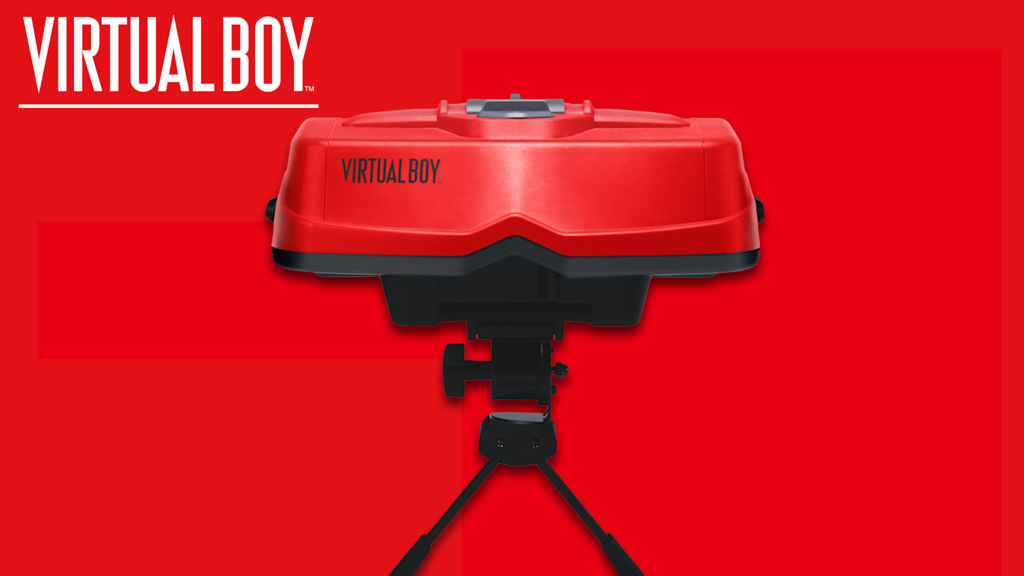
As fans lash out against PlayStation’s disc-free future and Xbox’s controversial layoffs, it’s got to feel pretty good to be Nintendo right now. But like any major gaming company, Nintendo has had its fair share of missteps along the way, too. Today marks the anniversary of one of its biggest failures, which released in Japan on July 21st, 1995. The Virtual Boy was a strange, short-lived experiment that made a surprise comeback as a Switch 2 accessory. 31 years later, it’s still one of the most notorious failures in gaming history.
Videos by ComicBook.com
Nintendo recently brought the Virtual Boy back from the dead as an accessory for the Nintendo Switch 2. Understandably, fans were shocked to see its return, given the infamy of the Virtual Boy’s commercial failure. The console was an early attempt at immersive 3D graphics, with players looking through an eyepiece to get an up-close-and-personal gameplay experience. It wound up spending just about a year on the market before Nintendo gave up the ghost on the unpopular console. But who’s to blame for this massive misstep? According to Nintendo, it’s none other than Gunpei Yokoi.
The Virtual Boy Might Have Cost a Beloved Nintendo Developer His Job
The Virtual Boy project was spearheaded by Gunpei Yokoi, who by that time had already been with Nintendo for 30 years. Yokoi is best known for creating the Game Boy, a revolutionary step in Nintendo’s handheld gaming dominance. He was also the lead producer for the beloved Metroid series, along with cult classic Kid Icarus. Fans remember the late Yokoi as instrumental to Nintendo’s success even to this day, thanks to his innovative work on the Game Boy. Yet his attempts to innovate with the Virtual Boy may have ultimately cost him his job at Nintendo.
When it released in 1995, the Virtual Boy could have been another impressive innovation in Nintendo’s arsenal. The company already had a solid hold in the handheld gaming space thanks to the Game Boy. But despite borrowing part of that console’s name, the Virtual Boy wouldn’t claim even a fraction of its success. The system used then-revolutionary stereoscopic 3D graphics, displayed through its clunky red eyepiece. But the same tech that made it unique also made it incredibly expensive… not to mention uncomfortable to use.
Gamers didn’t want to pay for the Virtual Boy, which was quite pricey for its time at $180. Add in the fact that it wasn’t very attractive to look at and was incredibly uncomfortable to use, and it was basically doomed from the start. Not long after its release, players began to suggest that using the Virtual Boy gave them headaches, eye strain, and even dizziness. Ultimately, it was so poorly received that the Virtual Boy was discontinued after just a year on the market. Only 22 games were ever released for the console, making it one of the shortest-lived gaming platforms ever released.
As the lead on the project, the Virtual Boy’s demise reportedly didn’t reflect well on Yokoi. Though Nintendo has never publicly stated that it blamed Yokoi for the failure, evidence suggests it certainly did. The longtime employee left Nintendo in 1996, right after the Virtual Boy was discontinued. This strongly suggests that the console’s failure at least played a part in his departure after 30+ years with Nintendo.
The Virtual Boy May Have Been an Idea Ahead of Its Time
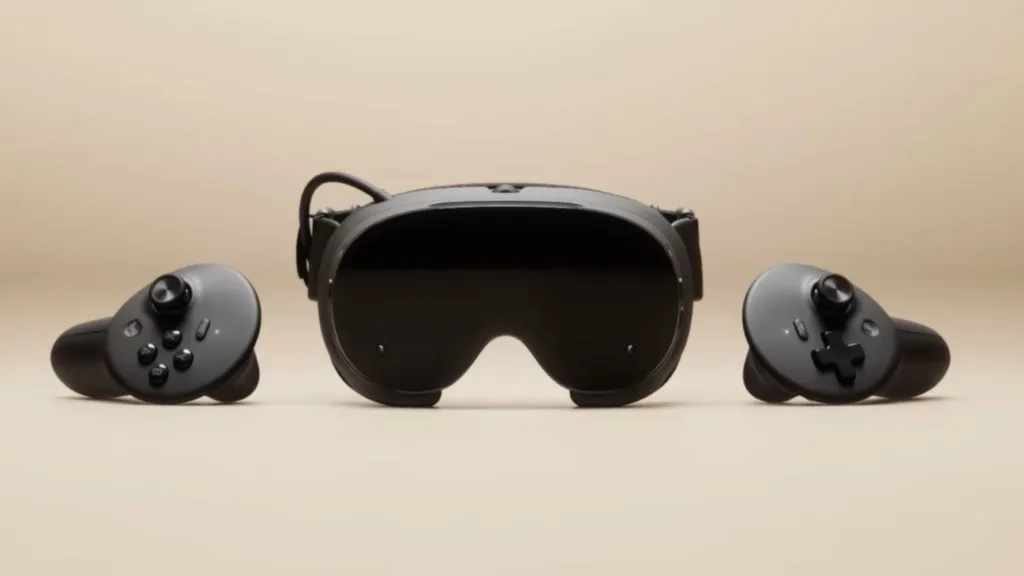
The idea of having to look through a headset to play a video game certainly didn’t land well in 1995. Neither did the hefty price tag. And yet, modern VR headsets may well owe their legacy to Nintendo’s dubious Virtual Boy. These, like the failed console, remain a controversial “upgrade” to gaming, with many of the same complaints of headaches and dizziness that plagued the Virtual Boy. And yet, VR remains a part of our modern gaming landscape, with new VR headsets like the Steam Frame still making their way to market. This suggests that the Virtual Boy may not have been a bad idea so much as an idea that arrived ahead of its time.
Indeed, some reports suggest that Yokoi himself wasn’t ready to launch the Virtual Boy when it debuted in 1995. It’s rumored that, even if Nintendo blamed the developer, the company may have pushed the Virtual Boy to market before it was ready. Supposedly, Nintendo wanted to get the Virtual Boy shipped so it could focus on the N64. Granted, the N64 proved to be a massive hit, so that may not have been the worst idea. But if it’s true, the Virtual Boy could’ve improved upon its ergonomics and graphics before hitting the market.
I’m not sure that would’ve ultimately made a difference. The fact is, sitting and staring through an eyepiece wasn’t an attractive idea. Modern, more portable VR headsets are much more manageable. But even so, the Virtual Boy has returned in a new form in 2026. Its 22-game lineup is once again playable thanks to the Nintendo Switch Online Classics and the Virtual Boy accessory re-release. So even if it was a failure when it first arrived, Yokoi’s device still has a place in gaming today, both as a novelty item for retro gaming fans and the predecessor to today’s VR headsets.
More Gaming
-

Image courtesy of Capcom -

Image Courtesy of Sony Interactive Entertainment -
Courtesy of Nintendo -

Courtesy of Bandai Namco -

Image Courtesy of Rockstar Games