I absolutely adore the strategy game genre and have likely sunk more hours into it than any other. That’s largely thanks to the impressive degree of variety on offer, something that drew me in as a child and hasn’t let go since. If you’re looking for intense, character-driven grand strategy games then there’s Crusader Kings; Total War will scratch that desire to see thousands of soldiers bash into one another for 40 minutes, a personal favorite pasttime of mine; Final Fantasy Tactics and its SRPG ilk offer more narrative-driven affairs with plenty of strategic and tactical depth to make encounters feel fresh and unique each and every time.
Videos by ComicBook.com
However, back in 2012, a strategy game was released that was so good, so impactful, so brilliantly designed, that I haven’t stopped thinking about it since. While it doesn’t target every facet of the strategy genre, I personally feel that it exemplifies the greatest parts of each of them. Its focus on characters, high narrative stakes, grand strategy maps, and epic, tactical battles ensures it remains enjoyable and immensely stressful no matter which side of the strategy genre table you sit. That game is the remarkable XCOM: Enemy Unknown, and I strongly believe that since it launched 14 years ago, it has reigned supreme as the greatest strategy game ever made.
XCOM Enemy Unknown Is The First Strategy Game That Made Me Care
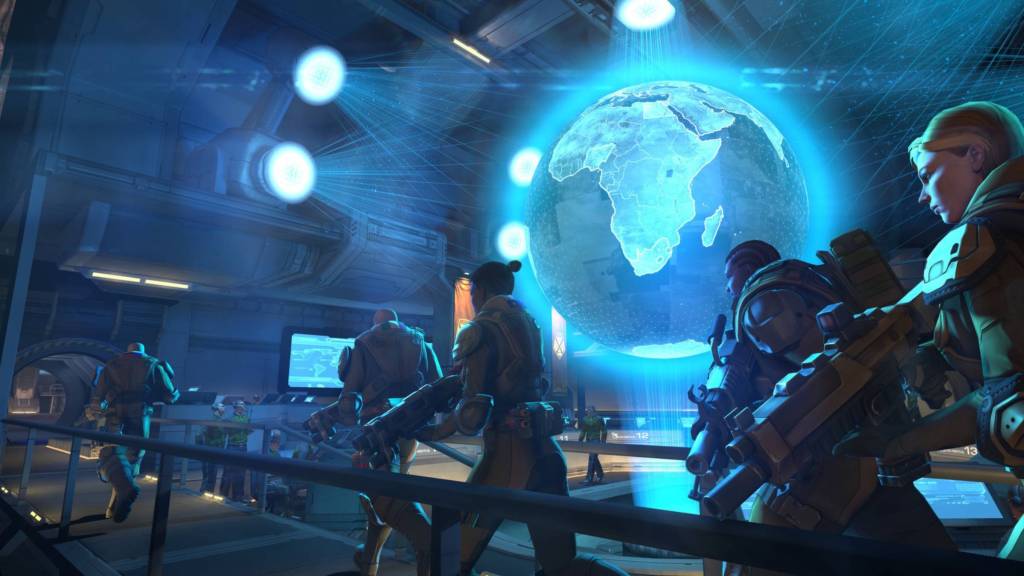
Before ever playing XCOM Enemy Unknown, my exposure to the strategy genre had largely been through the large-scale battles of Medieval 2: Total War. I had always enjoyed managing things on a macro scale, commanding enormous armies, making civilization-ending diplomatic decisions, invading my neighbors merely because they refused my outlandishly unfair trade deals, and more. Total War offered me that in spades, and I still love it to this very day for it. However, what it didn’t really offer me was the ability to manage my kingdom on a micro scale, to care about the commanders and soldiers in my armies, the diplomats delivering my foolish demands, or even the neighboring lords suffering the brunt of my unbridled wrath.
I didn’t really get to experience that level of micro management in a strategy game until I played XCOM: Enemy Unknown, one of Firaxis’ greatest games outside of Civilization. Unlike Total War, Enemy Unknown gave me so much to emotionally connect with. Each and every soldier you send out to fend off the invading alien force is completely customizable, down to their name. So, naturally, I had plenty of red-haired soldiers named after my favorite anime characters running around blasting aliens with machine guns. That level of customization turned them from being disposable grunts to people I deeply cared about, something that was cemented by Enemy Unknown’s permadeath.

One wrong move can get anyone killed in XCOM: Enemy Unknown. Soldiers who are with you from the very start can die tens of hours later, resulting in the loss of all that progress, the death of someone you’ve become reliant on in battles and emotionally connected to. Loss is a central part of XCOM: Enemy Unknown, the in-game virtual memorial that lists the names of everyone you’ve lost, serving as a constant reminder that no one is safe. Mechanically, loss is crucial to the game’s phenomenal difficulty pacing, as it punishes you for prioritizing certain soldiers and incentivizes you to play smarter. It is also what helps make Enemy Unknown such a satisfying narrative experience, as each soldier, their actions in battle, their heroic saves, frustrating misses, and inspiring actions all coalesce to form emergent stories you’ll never forget.
I actually remember the majority of the characters I made when I played it on the Xbox 360 years ago. There was the red-haired Hisoka, who was perhaps the worst sniper ever created, the ironically named Sgt. Vandham, who died a Captain, a handful named after my siblings and cats of the time, and a few more with rude names my 13-year-old self found hilarious that I shan’t be sharing. These characters stick in my mind because of the way XCOM: Enemy Unknown’s progression systems, mechanics, and quest structure cater to emergent gameplay experiences. It isn’t just the permadeath and emotional stakes that make XCOM: Enemy Unknown so excellent, as they aren’t inherently unique to it. Rather, it is what elevates those features that help Enemy Unknown remain not just a truly phenomenal game, but also one of the toughest strategy games available.
XCOM: Enemy Unknown Absolutely Holds Up In 2026
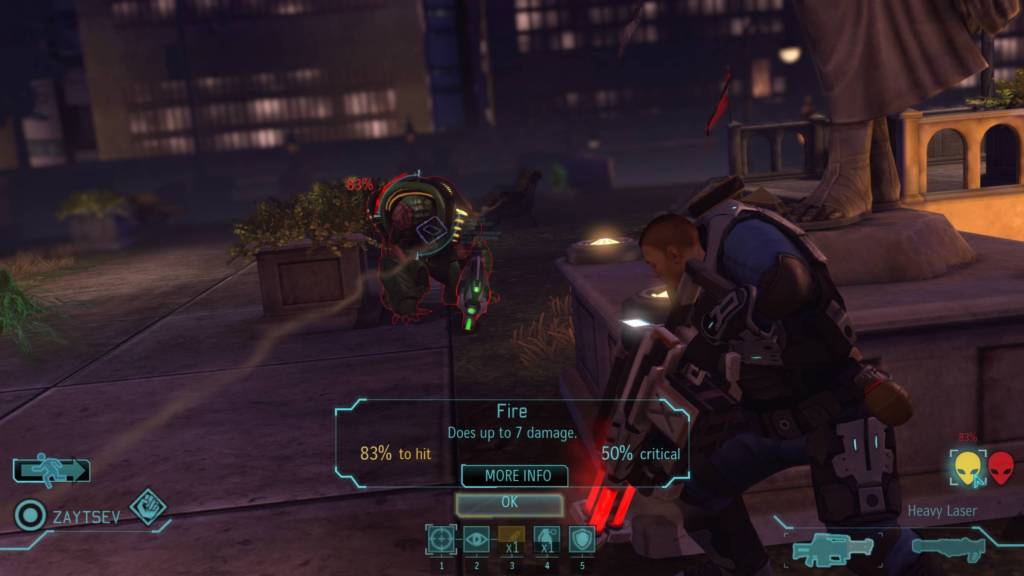
I am going to be completely honest with you. After 14 years, 100s of hours, and creating several characters based around my dog Koopa, I have only beaten XCOM: Enemy Unknown once. It is ridiculous, I know, especially for a game that I love so deeply, but there is a good reason. XCOM: Enemy Unknown is a remarkably challenging game; of course, there is the aforementioned aspect of caring about your soldiers, which encourages you to play cautiously, something that is in direct contrast to the urgent structure of the campaign. You have to take risks to complete missions, unlock new weapons and research, and ensure the alien invasion is pushed back just that little bit more. However, risks get soldiers killed, including those aforementioned based on your dog, and Lieutenant Koopa’s death means restarting from scratch.
However, XCOM: Enemy Unknown is also just a generally challenging game. Its mission structure is varied and frequently in the alien’s favor, with each level requiring you to exert every soldier to their maximum, staving off fear and paranoia as you delve deep into a crashed alien spaceship or attempt to rescue as many civilians from the clutches of the seemingly unkillable Chryssalids. Fortunately, these missions more often than not lack the frustratingly limiting timed nature of the sequel, which at least makes them a tad more forgiving. Where they are less forgiving is in how Enemy Unknown handles progression.
The more you play, the tougher enemies will get, and the harder missions will be to complete. You can, in theory, counter this by investing in more powerful equipment, hiring more soldiers, and upgrading your base. Of course, this all costs money and resources, something you obtain by heading out on missions. In many ways, XCOM: Enemy Unknown resembles the extraction shooter genre, with each mission serving as an intense battle between preserving what you came in with while attempting to extract every soldier with enough loot to help you get to the next stage. That risk and reward structure is intoxicating, making every failure hit that much harder and every win so much sweeter, and is frankly something that feels distinctly unique to the XCOM series.

It is this sense of progression, of choosing which upgrade to invest in first, in balancing examining aliens and researching structures to unlock more equipment, with purchasing and crafting more powerful gear to ensure you’re ready for the next fight. It combines the micro with the macro, forcing players to think both about what will benefit them in the short term and what they’ll need to win the entire war in the long term. I absolutely love it.
Of course, other games apply this same structure, but XCOM: Enemy Unknown, with its ability to make you truly care about every soldier, its intense battles, gripping mission design, emergent gameplay moments, and engrossing progression, feels like the complete package in a way no other game is, including its successors. At the very least, XCOM: Enemy Unknown is the only game I can think of that will see you cry genuine tears as the sniper you named Hisoka, who misses every shot, fires at the alien about to kill another soldier you’ve invested hours upon hours in, with a 20% chance to hit it and actually kills it. Now that is magical.
What do you think of XCOM: Enemy Unknown? Leave a comment below and join the conversation now in the ComicBook Forum!
Most Viewed
-

Courtesy of Sony Pictures Animation / McDonald's -
Image Courtesy of Marvel Comics -

Image Courtesy of Lucasfilm