The Civilization series has been going through a rough patch, with its latest game drawing plenty of criticism from fans. The many problems of Civilization VII might have players looking for a different experience, which some indie titles provide through unique innovations. One game in particular paints a new picture for the genre, introducing mechanics and systems that fans could get hooked on.
Videos by ComicBook.com
Part of the appeal of the Civilization series is the level of detail and interactivity present in all of its features, with every part of what you build influencing something else. The best games that try to mimic the Civilization franchise do this well, sometimes injecting new systems with engaging twists on established formulas. One of the most promising titles in the city builder genre came out at the start of May 2026, introducing great hooks for new and veteran Civilization fans alike.
Amberspire Combines Dice Rolling With City Building To Create A Constantly Fresh Experience
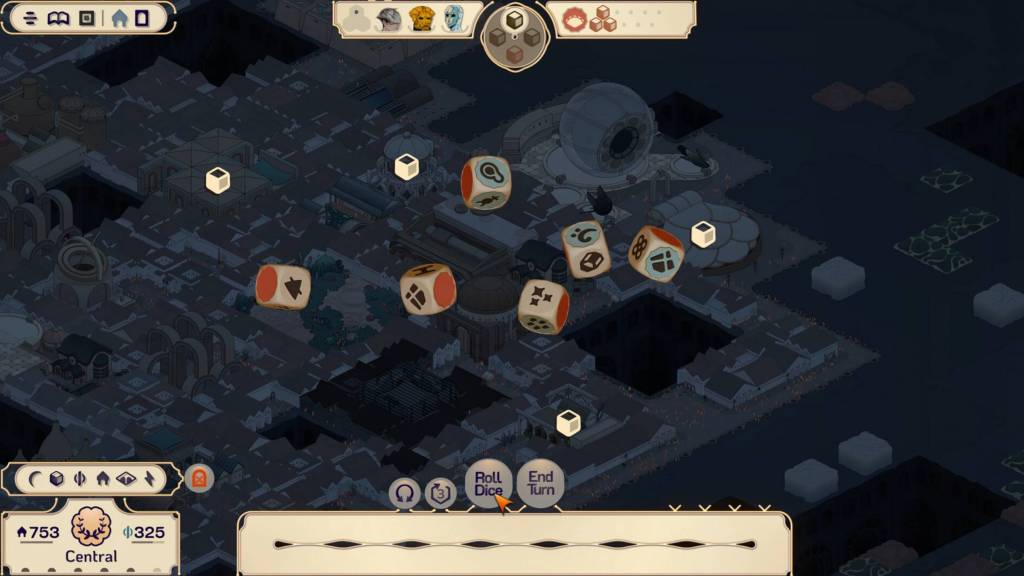
Amberspire is a sci-fi city builder where you grow a settlement on an alien world, beneath a gas giant with plenty of non-traditional systems to explore. For starters, the existence of Amberspire on a distant planet means that you won’t be farming for familiar materials, but rather learning and experimenting with the alien ecology on that world. Everything from larger weather patterns to multiple types of small grass has an impact, and that’s only scratching the surface of what’s possible in this game.
The big gimmick behind Amberspire is how there is an element of chance involving most parts of the alien planet’s design. The landscape of the world is unpredictable, meaning you can’t anticipate what resources or conditions will be take place on a given day. You roll dice to determine events, weather, and other factors as your settlement grows, forcing you to adapt to changing circumstances. For example, when you construct a building, the resources it provides is determined by a dice roll, so your city has to adapt to whatever materials luck gives to you when that structure is built.

This indie game is a must-play for Civilization fans who are tired of that series’ predicable match patterns, as every action in Amberspire is revealed through some form of chance. The beautifully hand-drawn art of this game also helps immerse players into a lush story with plenty of memorable characters. The isometric nature of the world is shown not just through what you build, but also through complex political drama you’ll have to navigate in order to keep your people prosperous.
Unique Resource Mechanics Are Not The Only Systems Determined By Dice
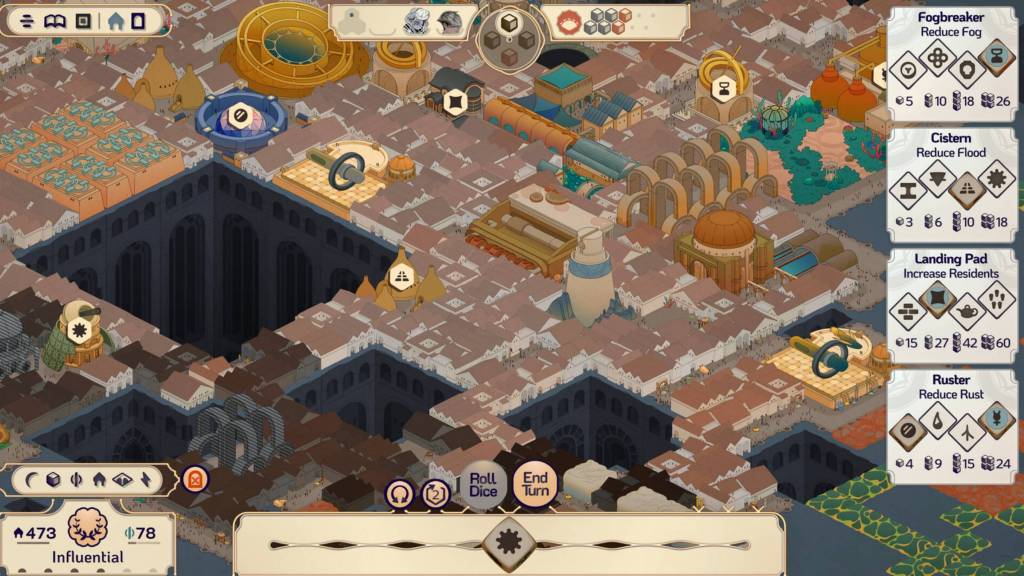
Your journey on Amberspire‘s abandoned moon has dice involved in every step, including in places you may not have expected. While the primary role of dice is to determine the resources of your buildings, a variety of other mechanics are tied to this innovative system. For instance, the weather of the world is based on chance, as well as what events will take place as your civilization evolves. Dynamic events infuse new story elements to your world, as various characters and factions throw wrenches into plans of growth.
Politics are not completely determined by dice, but which bits of intrigue you deal with is largely decided by how lucky you are. Depending on the relationships between factions, you may be restricted in what you can do in order to not antagonize specific characters or groups. With dice also determining environmental changes, each day could bring new challenges that you couldn’t have planned for ahead of time.
Learning How To Adapt To Changing Situations Ensures Endless Variety As You Play
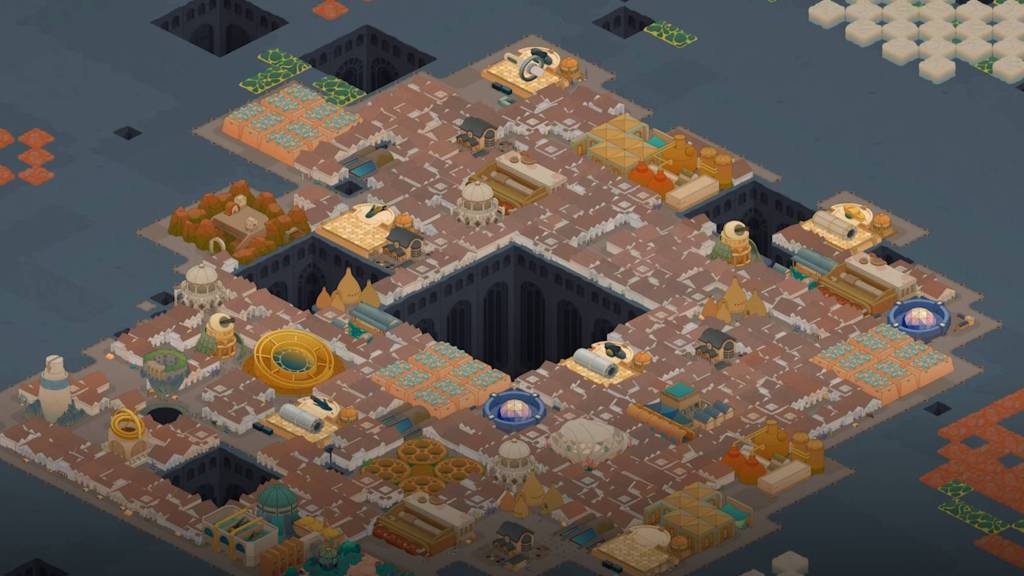
The population management and faction rivalries create dynamic gameplay for Amberspire on their own, but the random elements ensure no two playthroughs are the same. Every endeavor to shape the game’s world into something sustainable leads to its own story, with personalized events based on how well or poorly you roll dice. Building a settlement in harmony with the ever-shifting alien ecology tests your organizational skills, as well as how flexible you are to fix sudden problems.

It’s hard to explain just how many moving parts make this game so engaging to play. Even with Civilization 7 updates trying to fix that title, fans of the genre might have more fun trying to make sense of this game’s unpredictable politics and environment. Compared to other city building games, Amberspire introduces enough unique mechanics to make it memorable, especially if you enjoy a sci-fi aesthetic with appropriate art and music.
What do you think about Amberspire and its dice-related city building systems? Leave a comment below or join the conversation in the ComicBook Forum!
More Gaming
-

Courtesy of Wizards of the Coast -

Image Courtesy of Kwalee