Every new generation of Pokemon introduces mechanics, regional forms, and fresh creatures that reshape the series in exciting ways. We also see features changed or sometimes removed altogether. Whether it is exploring mysterious caves, discovering legendary ruins, or reviving creatures from ancient history, these recurring features help give each adventure its own identity while connecting it to everything that came before. When one of those traditions disappears or changes dramatically, longtime fans are quick to notice and even quicker to debate whether the series made the right decision.
Videos by ComicBook.com
One of those traditions is Fossil Pokemon. Since the Game Boy era, reviving prehistoric creatures has been one of the franchise’s most memorable side activities and late-game rewards. Although Pokemon Scarlet and Pokemon Violet skipped Fossil Pokemon entirely in favor of Paradox Pokemon inspired by the distant past, Pokemon Sword and Pokemon Shield mishandled them even more by introducing mismatched fossil hybrids instead of complete prehistoric species. With Pokemon Winds & Waves becoming the next mainline adventure, it has the perfect opportunity to restore one of the franchise’s oldest traditions.
Fossil Pokemon Are an Iconic Part of the Series
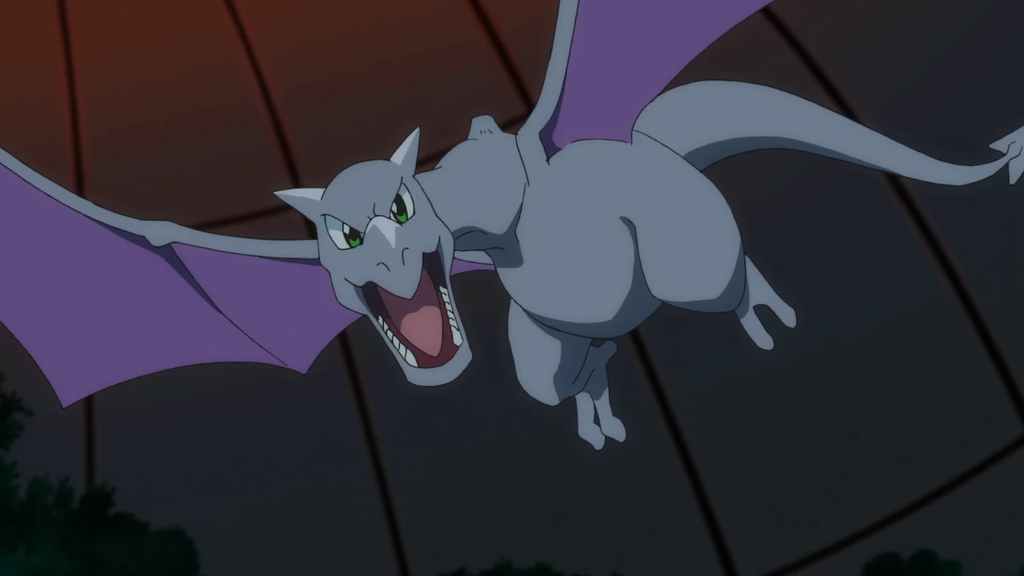
Fossil Pokemon have been part of the franchise almost from the very beginning. The original games introduced Omanyte, Kabuto, and the famously imposing Aerodactyl that is tearing through Pokemon Champions’ meta. These gave players a late-game reward for the treasures they found in Mt. Moon and provided a quest to revive ancient Pokemon. It was a clever way to reward exploration while making the world feel much older than the adventure taking place in the present, and kid me always loved finally getting my Omastar.
Nearly every generation expanded on that idea. Pokemon Ruby and Pokemon Sapphire introduced Lileep and Anorith, Pokemon Diamond and Pokemon Pearl added Cranidos and Shieldon, and later generations continued introducing prehistoric species inspired by dinosaurs, marine reptiles, and other extinct animals. Every new pair of Fossil Pokemon felt like uncovering another chapter of the Pokemon world’s ancient history. While many of them failed to impact the competitive scene, they were wonderful additions in a mainline playthrough.
Beyond their designs, Fossil Pokemon often became fan favorites because they stood apart from the rest of each regional Pokedex. They were hidden rewards instead of ordinary encounters, and evolving them often required extra effort. That combination of discovery, history, and distinctive designs helped Fossil Pokemon become one of the series’ most recognizable traditions.
Pokemon Sword & Shield Got Fossil Wrong While Scarlet & Violet Left Them in the Past
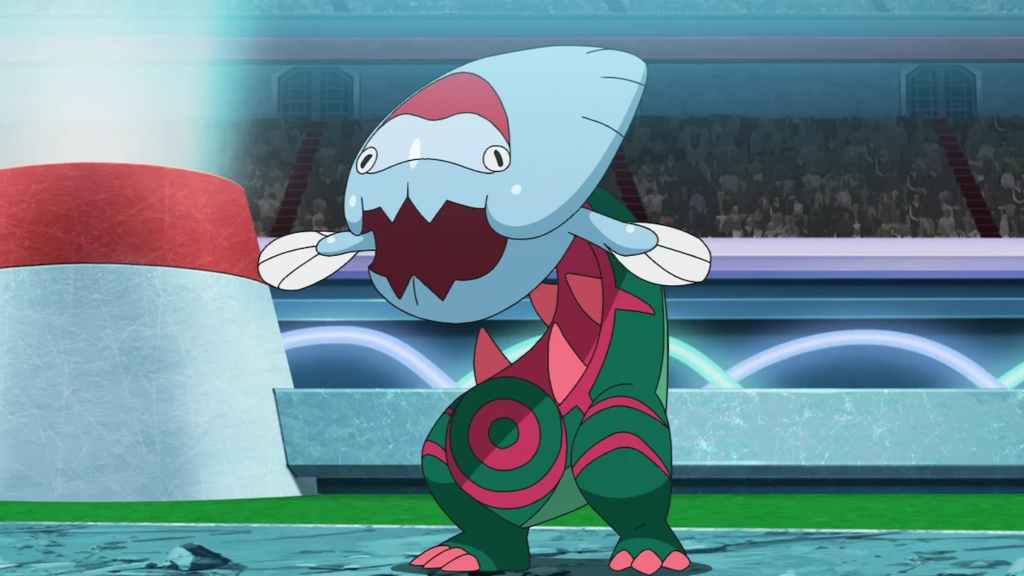
Pokemon Sword and Pokemon Shield took an unusual approach by introducing four fossilized body parts that players combined into four different hybrid Pokemon: Dracozolt, Arctozolt, Dracovish, and Arctovish. The concept referenced early paleontological mistakes where fossils from different animals were incorrectly assembled together, making the joke clever. The execution, however, divided fans, and they remain the worst fossils introduced in the series.
Rather than reviving complete prehistoric Pokemon, every result looked intentionally mismatched and uncomfortable. Most players disliked the designs because they lacked the elegance and identity of previous Fossil Pokemon. Competitive play added another wrinkle, as Dracovish became infamous thanks to its incredibly powerful Fishious Rend attack, dominating many formats before receiving bans in several competitive environments.
Pokemon Scarlet and Pokemon Violet went in the opposite direction by removing Fossil Pokemon altogether. Instead, the games introduced Ancient Paradox Pokemon such as Great Tusk, Roaring Moon, Sandy Shocks, and Walking Wake, offering a prehistoric theme without relying on fossils. That decision fit the games’ focus on the distant past, but it also meant the traditional fossil revival mechanic disappeared entirely. While the Paradox Pokemon were exciting additions, they did not replace the sense of discovery that came from excavating and restoring ancient species.
Pokemon Winds & Waves Can Bring Fossils Back Better Than Ever

As Pokemon Winds & Waves becomes the next major installment, bringing back traditional Fossil Pokemon should be a priority. The series does not need another gimmick or experimental twist. It simply needs to return to what worked so well for decades by introducing entirely new prehistoric species with distinctive typings, memorable designs, and compelling lore. I’d also love to see them be competitively viable so that new fossils can stand beside Aerodactyl.
There is also room to modernize and expand the mechanic without abandoning its roots. Fossil excavations could become larger exploration-focused activities instead of simple item pickups, with players uncovering complete skeletons or pieces across beaches, cliffs, caves, or underwater ruins before restoring them. That approach would make discovering Fossil Pokemon feel like an adventure rather than a brief stop at a laboratory.
Fossil Pokemon have always represented one of the longest traditions in the franchise because they rewarded curiosity and expanded the world’s history. Pokemon Sword and Pokemon Shield experimented with that formula in a way that remains divisive, while Pokemon Scarlet and Pokemon Violet largely left it behind to focus on Ancient Paradox Pokemon. Pokemon Winds & Waves has the opportunity to strike the perfect balance by honoring the past while giving fans a brand new collection of prehistoric Pokemon worthy of standing alongside the series’ greatest fossil discoveries.
What do you think? Leave a comment below and join the conversation now in the ComicBook Forum!
More Gaming
-

Image Courtesy of Ubisoft -

Image Courtesy of Dotemu -

Courtesy of Electronic Arts -

Image Courtesy of Electronic Arts -

Courtesy of Arkane, Bethesda Studios, and Marvel Games