Baldur’s Gate 3 has emerged as one of the best and most successful games of all time. It has set new expectations for RPGs and reinvigorated interest in turn-based games. I know I’ve had my fair share of play throughs, experimenting with different characters and builds. As someone who has played past Larian Studios games, I was wildly impressed with Baldur’s Gate 3, which makes me genuinely excited for Larian’s upcoming game, Divinity. At the same time, the studio’s official statement is setting impossible expectations, and it remains uncertain if Larian Studio can meet them.
Videos by ComicBook.com
Larian Studios promises that Divinity will feel unreal and aims to create something bigger and better than Baldur’s Gate 3. Considering the scale and scope of Dungeons & Dragons’ best game, it’s hard to imagine Larian succeeding in this. The idea that Larian wants to surpass a game that redefined expectations for RPGs and Dungeons & Dragons adaptations sounds ambitious to the point of impossibility. And yet, knowing Larian’s history, it is hard to dismiss it outright.
Topping Baldur’s Gate 3 Feels Impossible
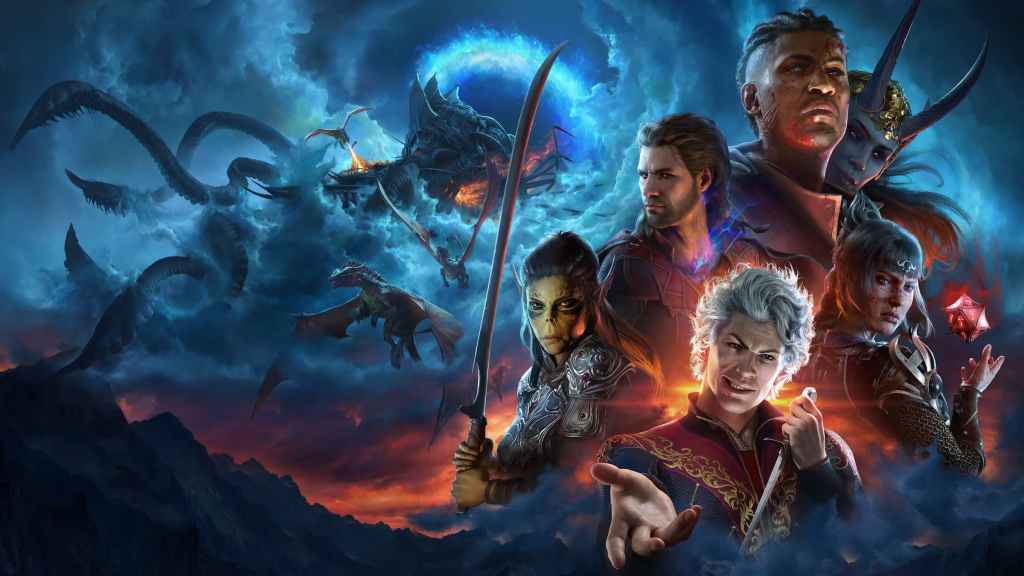
The scale of Baldur’s Gate 3 is difficult to overstate. Years of early access development, a massive writing team, full cinematic performances, and an unprecedented level of systemic reactivity came together in a way no other RPG had managed before. It was not just critically acclaimed. It became a cultural moment. Developers publicly admitted that it raised the bar too high. Players debated endings, builds, romances, and moral decisions for months. And Baldur’s Gate 3 swept at The Game Awards, claiming many awards, including Game of the Year.

From an industry perspective, Baldur’s Gate 3 changed expectations. It showed that turn-based combat could be mainstream again. It proved players would embrace complexity if given freedom and clarity. It demonstrated that faithfulness to Dungeons & Dragons rules could coexist with cinematic presentation. Larian did not simply release a hit. They shifted the conversation around what RPGs should aspire to be and set the bar for every game going forward.
That is why Larian saying Divinity will be better than BG3 sounds impossible. How do you top near-universal praise, massive sales, and a design philosophy that already feels definitive? When a game becomes a reference point rather than just another release, surpassing it becomes less about quality and more about redefining the genre again. This has me asking if Larian Studios can catch lightning in a bottle twice. If it does, Divinity would be massive for the industry, but overpromising and failing to deliver could hurt the game in the long run.
Divinity: Original Sin 2 Already Set the Groudwork
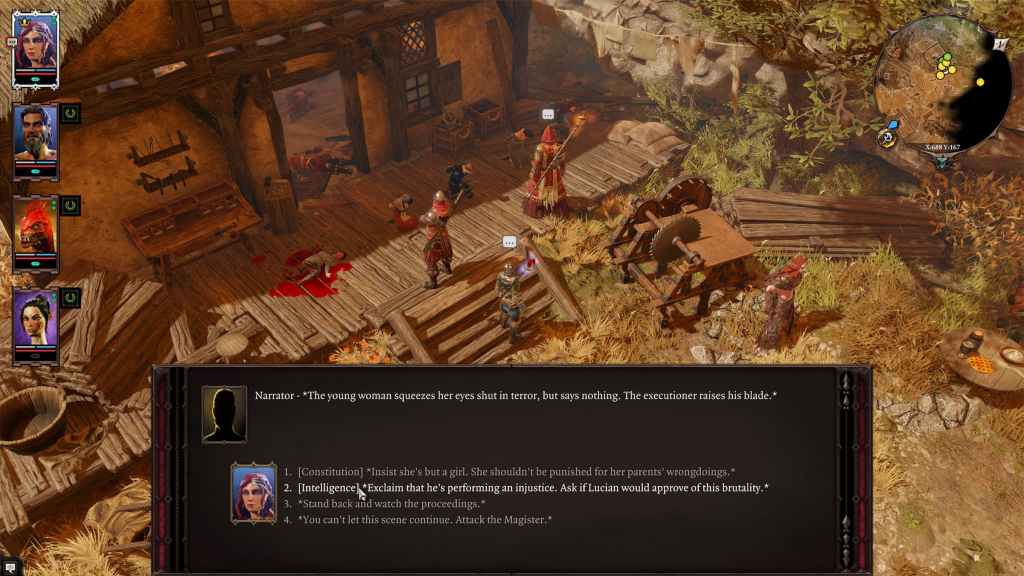
If any studio has earned the benefit of the doubt, it is Larian. Before Baldur’s Gate 3, there was Divinity: Original Sin 2, a game that laid the foundation for everything that followed. Its tone balanced humor and darkness with confidence. Its combat systems emphasized creativity, elemental interactions, and player experimentation in ways that still feel unmatched. While Baldur’s Gate 3 is likely the better game in the end, the systems and world of Divinity: Original Sin 2 have so much more depth and complexity.
Divinity: Original Sin 2 encouraged chaos. Fire spread. Water conducts electricity. Oil slowed movement and fueled explosions. The battlefield was a puzzle box where clever thinking mattered more than raw stats. That philosophy carried directly into Baldur’s Gate 3, where environmental manipulation became one of the game’s defining strengths. But its implementation paled in comparison to Divinity: Original Sin 2. Part of this was the action economy, as BG3 limited you to an action and a bonus action, typically. Compare that to Original Sin 2’s action points, and you have far fewer options.
World-building was another triumph. Rivellon felt lived-in, strange, and morally complex. Characters like Fane, Lohse, and Sebille were not just party members. They were deeply written companions whose stories could reshape the narrative. The game trusted players to engage with difficult themes without hand-holding. Baldur’s Gate 3 offered similar companions and a rich world, but I have to give the edge to Divinity: Original Sin 2 here. Larian clearly loves Rivellon, and while it did fantastic with the Forgotten Realms, it’s clear to see the passion in its own world.
In many ways, Divinity: Original Sin 2 already proved Larian could build a world rich enough to rival anything in Dungeons & Dragons. What it lacked was reach. Without a globally recognized license, it never broke into the mainstream the way Baldur’s Gate 3 did. That limitation is exactly what makes Larian’s promise intriguing. Now that Baldur’s Gate 3 has put Larian on the map, fans will flock to Divinity even without D&D’s iconic name. We’ve already seen Divinity: Original Sin 2 Definitive Edition take off since its recent release.
Larain’s Success Could Create the Best RPG Ever Made
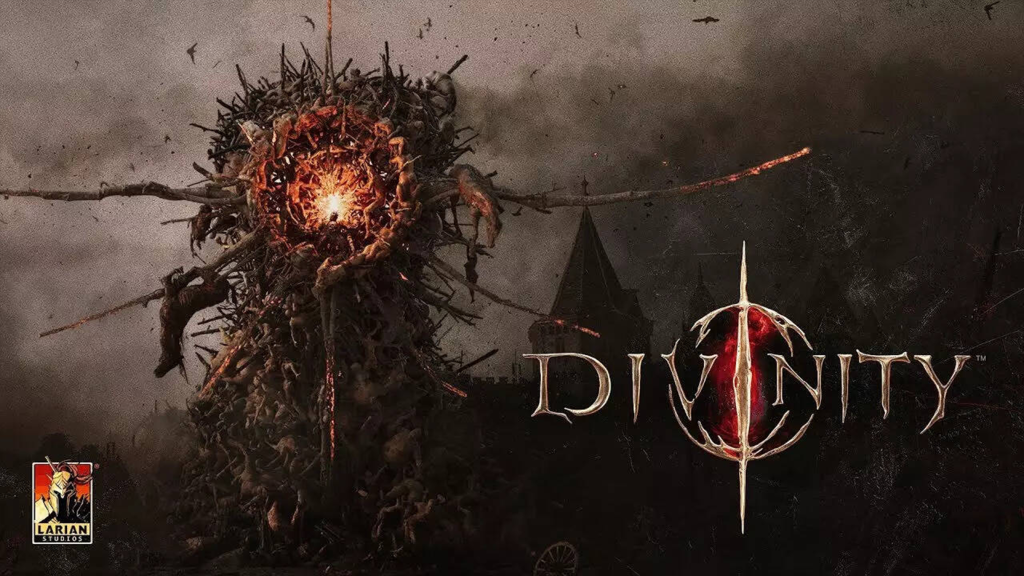
The most exciting part of Larian’s statement is not that Divinity will be bigger but that it will be better. That suggests refinement rather than excess. With the success of Baldur’s Gate 3, Larian now has resources, confidence, and industry influence it never had before. They can afford longer development cycles, larger teams, and bolder risks. As studio head, Swen Vicke, says, “This is going to be us unleashed, I think. It’s a turn-based RPG featuring everything you’ve seen from us in the past, but it’s brought to the next level.”
Bringing the Divinity universe to a wider audience could allow Larian to fully realize ideas that were previously constrained by budget or visibility. Rivellon could receive the same cinematic treatment that Faerûn did. Characters could benefit from the performance capture and narrative depth that elevated Baldur’s Gate 3 companions into icons.
There is also freedom in stepping away from Dungeons & Dragons. While that ruleset provided structure and familiarity, it also imposed limits. Divinity allows Larian to design systems entirely around its own vision. That could lead to deeper combat interactions, more flexible class design, and mechanics that push beyond tabletop conventions. Still, as a fan, skepticism feels natural. Baldur’s Gate 3 did not just succeed because of budget or scope. It succeeded because of timing, passion, and years of iteration. Recreating that magic is not guaranteed. Even improving upon it feels like chasing a perfect storm.
And yet, this is the same studio that turned early access feedback into one of the most polished RPGs ever made. The same team that transformed Divinity: Original Sin from a cult hit into a genre-defining sequel. If anyone can attempt the impossible, it is Larian, especially with a similar early access model. Their promise may sound unrealistic, even arrogant. But it is rooted in a track record of growth and learning. If Larian succeeds, the RPG genre may once again be forced to catch up.
What do you think? Leave a comment below and join the conversation now in the ComicBook Forum!
Most Viewed
-

Image Courtesy of Prime Video -

Image Courtesy of Netflix -

Image Courtesy of Toei Animation