There is a certain kind of disappointment that only comes from watching a studio you once trusted slowly lose the benefit of the doubt. Not the loud, explosive kind that follows a single bad launch, but the quiet erosion that happens when promises stack up, systems stagnate, and players are left feeling unheard for years. That is the space Bungie has been living in for a while now with Destiny 2, and Marathon is walking straight into it.
Videos by ComicBook.com
Bungie’s Marathon just cannot shake player backlash, and at this point, it feels less like a rough start and more like a permanent condition. Ever since its reveal, the extraction shooter reboot has struggled to generate genuine excitement, instead attracting skepticism, frustration, and outright hostility from a player base that no longer trusts Bungie to stick the landing. With Destiny 2 still feeling neglected and unresolved, Marathon is not being judged on its own merits. It is being judged as Bungie’s next big ask after years of disappointment, self-inflicted.
What Went Wrong With Marathon’s First Impression
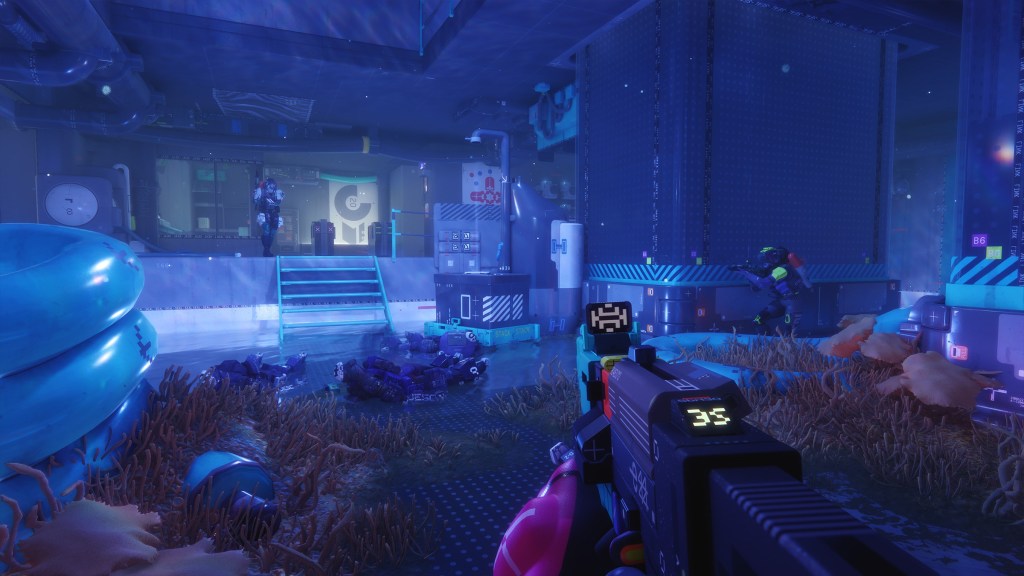
Marathon’s problems started the moment it was revealed, and not because the concept itself was doomed. The original Marathon has a history and legacy attached to it, and this is what began the sinking ship. The elephant in the room is that the original Marathon was not an extraction shooter, or anything like one.
Even so, the current upcoming iteration was how Bungie chose to reintroduce it and what they chose to emphasize. Instead of reasons to believe this reboot would respect its legacy, Bungie leaned heavily on vibes, tone, and cinematic flair, with gameplay that has, at every turn, looked incredibly lackluster. In today’s landscape, it immediately raised a red flag, and more have been slung up ever since.
The lack of appealing gameplay did real damage, but it was far from the only issue. Concerns around Marathon’s visual identity quickly spiraled into more serious controversy, with players and artists alleging stolen art and raising questions about whether AI-generated elements were involved in the game’s promotional material.

Whether intentional or not, the situation reinforced the idea that Bungie was cutting corners and failing to respect creative labor, which is especially alarming for a studio that built its reputation on strong art direction. Bungie’s responses did little to calm the situation, and the controversy became yet another layer of distrust stacked on top of an already fragile reveal.
Then there is the live service baggage. Marathon is positioned as a long-term extraction shooter in a market already fatigued by battle passes, seasonal grinds, and aggressive monetization. Bungie’s history with Destiny 2 only amplifies those fears. Content sunsetting, uneven seasonal quality, and a constant sense that the game is being managed for metrics instead of players all haunt Marathon before it even launches. Instead of excitement, the first impression left players wondering why they should commit to another Bungie live service at all.
Can Bungie’s Marathon Recover From Its Poor Reception?
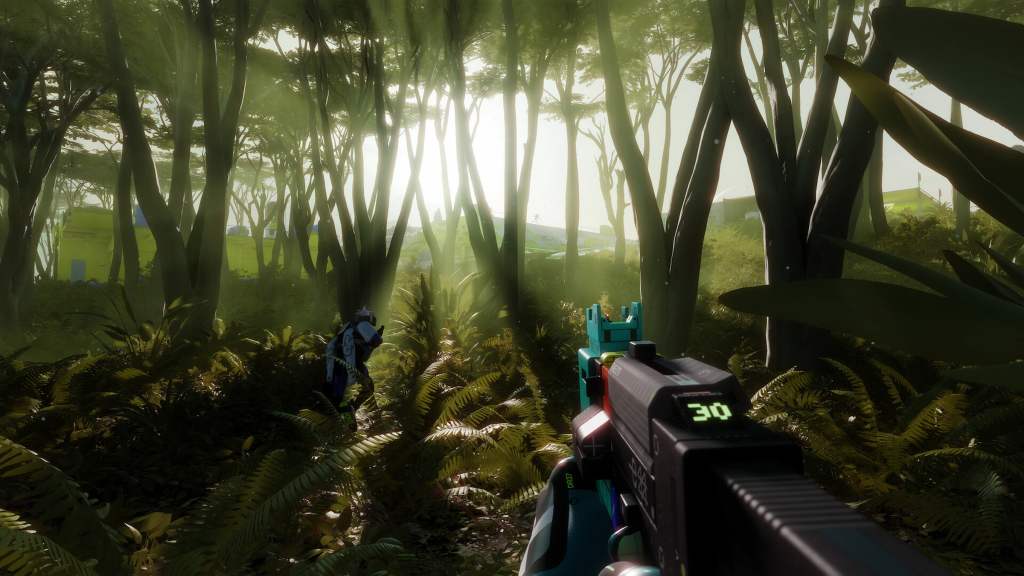
In theory, yes. In reality, it feels incredibly unlikely. Recovering from poor reception requires more than better trailers or a flashy beta. It requires repairing community trust and undeniable proof that lessons have been learned. Bungie has not shown that yet. Marathon is arriving at a moment when Bungie’s reputation is at one of its lowest points, ever. Destiny 2 feels like a game running on fumes, kept alive by obligation rather than excitement. Asking players to believe that Bungie can juggle two live service games responsibly feels optimistic at best. To many, it feels utterly delusional.
Even if Marathon launches in a solid state, the damage may already be done. First impressions matter a lot, and this one has calcified into a narrative Bungie cannot easily escape. Every update is viewed through a lens of skepticism. Every promise is met with eye rolls. That is a brutal environment for a new live service game to survive in.
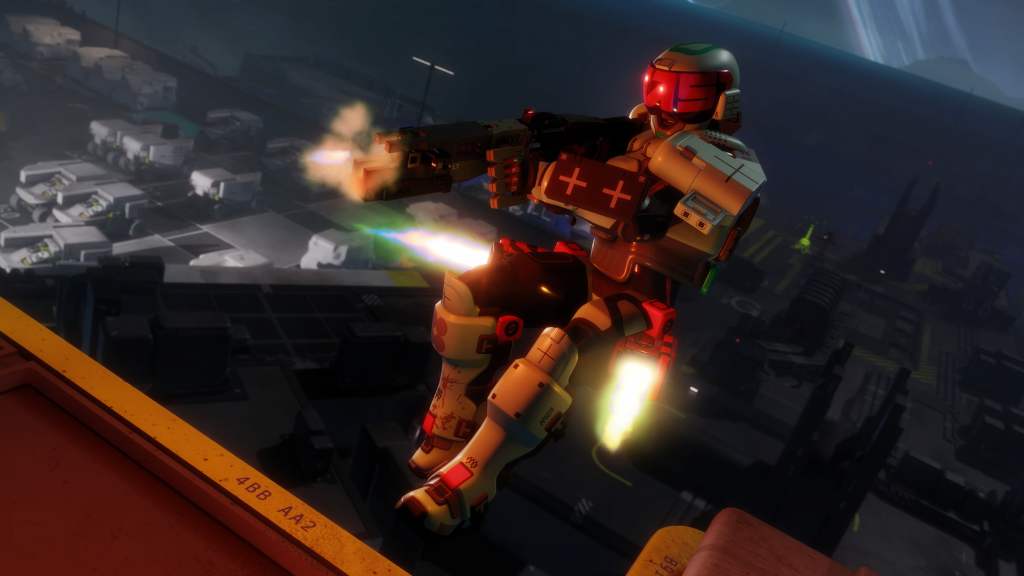
There is also the question of who Bungie is listening to. Over the years, Destiny players have repeatedly voiced concerns about burnout, monetization, and narrative direction. Many of those concerns linger or have been addressed too late. Marathon’s backlash feels like the culmination of that frustration, not a separate issue.
At this point, Marathon does not feel like a fresh start. It feels like Bungie is asking for one more chance without fully earning it. Until Bungie proves it can take care of the game it already has, there is little reason for players to believe Marathon will be any different. The backlash is not going away because it is rooted in experience, not misunderstanding.
What do you think? Leave a comment below and join the conversation now in the ComicBook Forum!
Most Viewed
-

Image Courtesy of Amazon MGM Studios -

Image courtesy of PerBlue -

Image courtesy of San Diego Studios