Gaming is full of weird ideas and out-there concepts, with a bizarre approach to storytelling forming the core of plenty of franchises. Titles like Katamari Damacy proved that a compelling gameplay loop and a charmingly strange idea could transform a wild idea into a hit series. Still, gaming history is littered with unique concepts that had the bad luck to never connect with an audience.
Videos by ComicBook.com
For a while, one of the most notable examples of that was Chibi-Robo. A silly little adventure game released for the GameCube during the waning days of that console’s lifespan, Chibi-Robo! Plug Into Adventure! quickly became a cult hit that had been largely forgotten about in the decade since the last time the franchise received a new game. However, Nintendo’s recent decision to highlight the game’s place in their overarching history has led to it getting a much bigger platform than perhaps ever before.
How Nintendo Saved Chibi-Robo

Chibi-Robo! Plug Into Adventure! debuted in North America on February 8, 2006. The original GameCube game followed the titular Chibi-Robo, a small robot who lives with the suburban Sanderson family. Initially, the gameplay is focused on players attending to minor problems around the Sandersons’ home, cleaning up after the family, or finding lost objects. As the game progresses, players collect a currency known as “Moolah” and use scrap metal to craft small helper robots. Throughout multiple days and nights, players balance their remaining battery life with Happy Points, which signify the overall emotional state of the Sanderson family. However, as the game goes on, Chibi-Robo finds himself entangled in a conflict between toys, a potential splintering of the Sanderson family, and even confronts an alien species. There’s an underlying sweetness to the story, however, highlighting how Chibi-Robo’s interactions with other characters and largely unseen actions help inspire conversation between partners and help resolve animosity wherever he can.
Chibi-Robo was something truly unique, which might be why it initially had such a hard time getting made. The singularly strange game was initially meant to receive a 2003 release date. Developed by Skip Ltd. and set to be published by Bandai, the original idea still featured Chibi-Robo but had a much more straightforward plot of keeping burglars from breaking into the house. While this incarnation of the game never saw the light of day after being put on indefinite hold, legendary Nintendo developer Shigeru Miyamoto was intrigued by the character and joined the project as a senior producer. Development began anew at Nintendo, with the final product embracing the stranger aspects of the concept for full effect. The result was a fun game that had a real sense of strange whimsy to it, which felt perfectly in line with Nintendo’s distinct and often unexpected sensibilities compared to the rest of mainstream gaming. While Chibi-Robo! earned solid reviews from critics at the time — earning a 75/100 on Metacritic — the acclaimed storytelling and unique tone were undercut by a more mixed reception to the title’s core gameplay.
Chibi-Robo’s Time To Shine
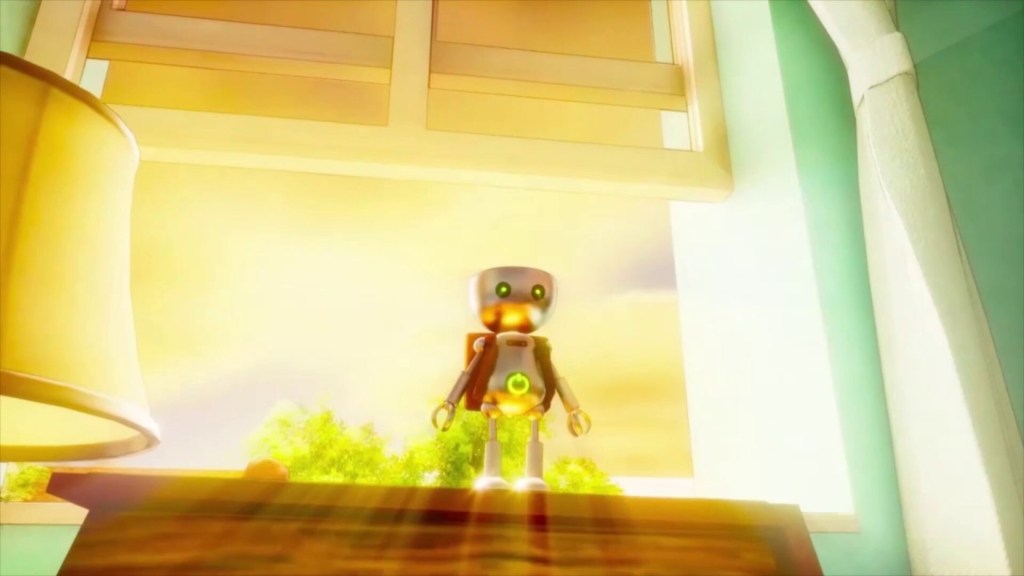
The title became something of a sleeper hit in Japan, but it never reached the heights of some of Nintendo’s other, more well-known franchises. In Western markets, it remains a cult classic at best. Even though it eventually generates multiple follow-ups, the series hasn’t seen a new release in over a decade. That’s largely been chalked up to the struggles the series had in the broader gaming market. While there were four formal releases, the latter two entries in the series received largely negative reviews.
Following 2015’s Chibi-Robo! Zip Lash, which flopped upon release, Skip Ltd. actually ended up shutting down. Since then, Chibi-Robo has been more or less relegated to easter egg appearances in games like Super Smash Bros. Ultimate. All of that makes the fact that Chibi-Robo was among the earliest games made available to Nintendo Switch 2 users through Nintendo Classics all the more surprising. It was the fifth GameCube game to be announced for the online service. This means that Chibi-Robo was brought to the online service before classics of the GameCube era like Super Mario Sunshine or Metroid Prime, which is especially odd in retrospect, given his relative obscurity in the larger Nintendo canon.
While he did receive a handful of games, Chibi-Robo’s never been one of Nintendo’s mainline creations. Maybe it’s because Chibi-Robo’s strange gameplay seems more like a fit for today’s gaming audience, who are more likely to embrace trivial activities like power washing as a core gameplay mechanic. Maybe it’s because many of the more well-known Nintendo games are set to get remasters or larger re-releases, leaving room open for stranger chapters of Nintendo’s history to be explored. It may even just be because the charming little robot struck a chord. Regardless, it’s fun to see this underplayed, kooky adventure game finally get the chance to shine.
Most Viewed
-

Courtesy of Crunchyroll -

Image Courtesy of WIT Studio