There are few studios in modern gaming as consistently ambitious as Remedy Entertainment. Over the last decade, the developer has transformed itself into a creative powerhouse, embracing bold ideas, weaving together a unified universe, and producing games that challenge the limits of genre. After revealing Control 2 was in development, fans have been eager to see what the studio has next, especially after the disappointing reception of FBC: Firebreak. Fans hoping for a repeat of Jesse Faden’s paranormal adventure should prepare themselves: this sequel doesn’t just move forward, it reinvents nearly everything.
Videos by ComicBook.com
That reinvention is exactly why Control: Resonant has become one of the most anticipated releases of 2026. Instead of returning to the Oldest House, the sequel throws players into a warped, paranormal, collapsing Manhattan. The game follows her brother, Dylan Faden, now stepping into the role of a conflicted protagonist wrestling with his own humanity. And rather than the original game’s supernatural action-adventure identity, Resonant takes the series into full action-adventure RPG territory with choice-driven progression, reality-bending exploration, and a combat system rebuilt around grounded melee strikes. This is Remedy at its most fearless, reshaping one of its biggest franchises to unlock new creative space.
Control: Resonant Features a New Protagonist, New Story, & New Genre
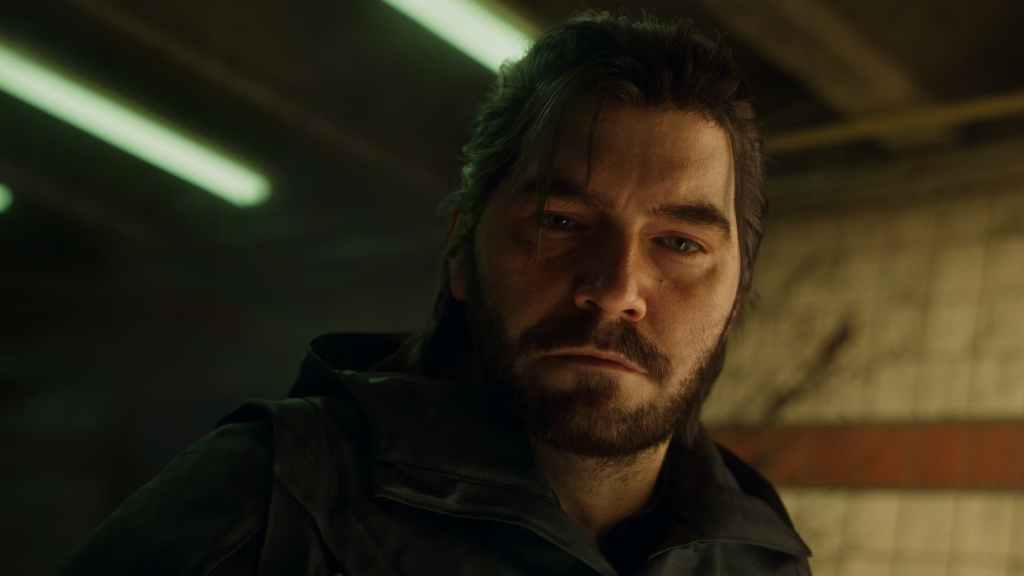
While the first Control introduced players to the enigmatic Federal Bureau of Control and the haunted hallways of the Oldest House, Control: Resonant shifts the lens dramatically. The game stars Dylan Faden, Jesse’s brother, whose troubled past and volatile abilities make him an unpredictable, yet compelling, lead. After years of confinement under the FBC, Dylan is forcibly deployed to confront a cosmic entity tearing Manhattan apart, altering physics, and reordering reality into something unrecognizable.
This isn’t the slow, creeping mystery of the Oldest House. Resonant is a full-fledged action-adventure RPG, giving players expansive zones of Manhattan to explore as they battle an invading force that reshapes gravity, terrain, and even the rules of existence. Remedy describes the game as a reality-warping playground where perception bends, and environments distort based on both plot events and Dylan’s psyche.
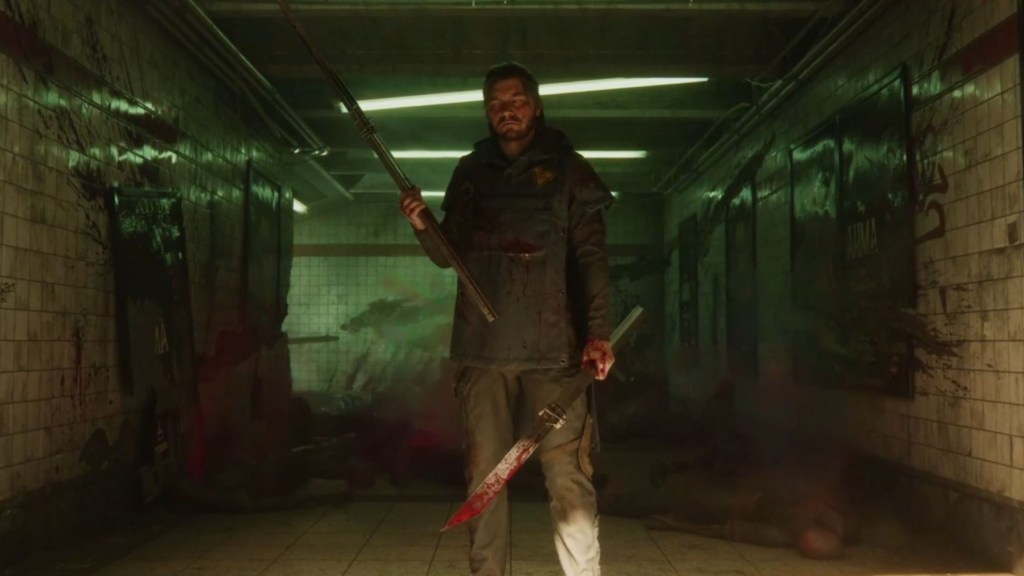
As players explore these twisted spaces, they’ll wield Dylan’s growing supernatural abilities, strengthen them through deep progression choices, and rely on the Aberrant, a shapeshifting melee weapon that serves as one of the game’s core combat pillars. This alone marks a dramatic shift in tone and mechanics from the first game.
The narrative, too, reaches beyond the confines of the Oldest House. Dylan’s journey is not only a battle for survival but a personal quest to find Jesse, now FBC Director, and understand the cosmic disaster rippling across the world. According to Creative Director Mikael Kasurinen, Resonant is “expansive, ambitious, and designed to be easy to jump into even if you never played the original.” It’s a new entry point and a new identity for the Control franchise.
Why Remedy Is Evolving the Formula Instead of Repeating It
Remedy could have made Control 2 a straightforward sequel: more sectors of the Oldest House, more telekinetic combat, more bureaucratic supernatural weirdness. But doing so would have limited the series’ potential just as Remedy’s connected universe gains momentum. Instead, Remedy chose evolution over repetition, pushing Control: Resonant toward something larger, stranger, and far more ambitious, just as it did with Alan Wake 2.
The first reason for this shift is scale. Resonant aims to be Remedy’s biggest game to date. Manhattan is not a single building; it’s an expansive urban landscape reshaped by cosmic intrusion, with perception-bending environments and new layers of exploration that the first game’s structure couldn’t accommodate. Even compared to Bright Falls, the potential is beyond the scope of what Remedy has attempted before.
The second reason is genre expansion. Remedy has been steadily honing its RPG and survival-horror design skills, seen recently in Alan Wake 2. By evolving Control into an action-adventure RPG, the studio gains the freedom to deepen progression, broaden build customization, and offer meaningful choices that let players shape Dylan’s powers in distinct ways beyond the original game and Jesse. Control: Resonant emphasizes choice, consequence, and a greater sense of power, signaling something far more systemic than the original’s linear ability tree.
The final reason is storytelling freedom. A new protagonist means a new emotional lens, and Dylan’s fractured psyche allows Remedy to push into darker, more psychological territory. From Manhattan’s collapsing physical laws to metaphysical journeys into Dylan’s subconscious, Resonant builds on the RCU’s growing narrative without being constrained by the beats of the first game. Remedy isn’t abandoning what made Control so special. It’s enlarging it, expanding its world, and experimenting boldly with what the series can be.
Remedy Could Completely Change Melee Combat Designs

If there’s one area where Control: Resonant might surprise even longtime fans, it’s melee combat. The original Control largely positioned melee as a backup option, flashy but secondary to telekinetic abilities. In Resonant, that hierarchy has flipped. Dylan’s core weapon is the Aberrant, a shapeshifting melee construct that adapts to combat encounters and evolves with the player’s progression choices, feeling very much like Jesse’s Service Weapon.
This shift suggests a significant redesign of how combat feels moment to moment. With the sequel leaning into action-RPG systems, the Aberrant seems poised to become a centerpiece of gameplay rather than a support tool. Expect heavier impacts, more deliberate timing, and a visceral sense of physicality that complements the game’s paranormal chaos. Because Dylan’s abilities are unstable and evolving, melee design may become intertwined with the game’s reality-bending mechanics.
Remedy has always excelled at blending narrative and mechanics, and the Aberrant offers a perfect opportunity to make Dylan’s internal struggle manifest in gameplay. With how Remedy shakes up common gameplay tropes, Control: Resonant could take action-RPGs in a completely new direction. Moreover, with the sequel’s new RPG direction, melee will also be tied to build diversity, letting players shape Dylan into close-quarters archetypes, supernatural hybrids, or ability-focused casters. This flexibility mirrors the ambition of Resonant itself: bigger, deeper, more personal, and far more experimental than what came before.
What do you think? Leave a comment below and join the conversation now in the ComicBook Forum!
Most Viewed
-

Image courtesy of Marvel Studios -

Image Courtesy of Netflix -

Image courtesy of Square Enix -
Image Courtesy of Marvel Comics -

Image courtesy of Ufotable