Crimson Desert is a clumsy collage of better games. It’s got a few dollops of Red Dead Redemption 2, more than a few pinches of The Legend of Zelda: Tiers of the Kingdom, a touch of The Witcher 3: Wild Hunt, and a hair of Dragon’s Dogma 2, all of which best developer Pearl Abyss’ massive RPG in one way or another. With all of these unoriginal components, it’s not too surprising that the team dabbled with generative AI to fill out its bloated map and, given the potential blowback, did it without initially disclosing it. The half-hearted apology that followed was insufficient and likely indicative of what’s to come as more and more games indulge with this inept technology.
Videos by ComicBook.com
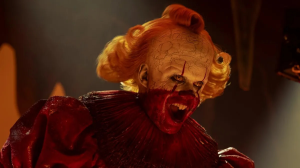
Pearl Abyss’ statement claims these ugly painting assets were spit up using generative AI in order to help the team capture a tone. However, those parts were allegedly accidentally left in, hence why players were able to spot these hideous pieces.
Crimson Desert’s Gen AI Paintings Are Ugly
It’s hard to believe this, and the whole statement comes across as an apology for getting caught rather than an honest goof. The Steam page didn’t have any AI claims before this incident, which is further evidence Pearl Abyss was trying to pull a fast one and neglect its use of this cursed technology. Acclaimed game developer Rami Ismail explained on social media that true temporary assets are easy to see so the studio knows to take them out; they have to be obviously temporary. The paintings in Crimson Desert, however, can momentarily pass as something feasible, and, as such, it seems like Pearl Abyss was hoping this initial false impression would persist and it could get away with taking a shortcut.
Other teams are undoubtedly going to copy this playbook in the future. Generative AI appropriately has such a stink around it, so there’s no real incentive to tell the truth. Valve doesn’t seem to have any sort of rules against neglecting to disclose generative AI usage on Steam, either (and has not yet responded to our request about it), and the three console makers don’t even have a similar space for a disclaimer. So if teams are going to use it and face blowback if they admit it, it makes sense that they would try to avoid the sh-tstorm by only apologizing for it if they get caught, especially if they only fess up after the game launches and the pre-orders have been fulfilled. It’s a cynical ploy.
Crimson Desert Isn’t the First Game to Not Disclose Gen AI Use and Won’t Be the Last
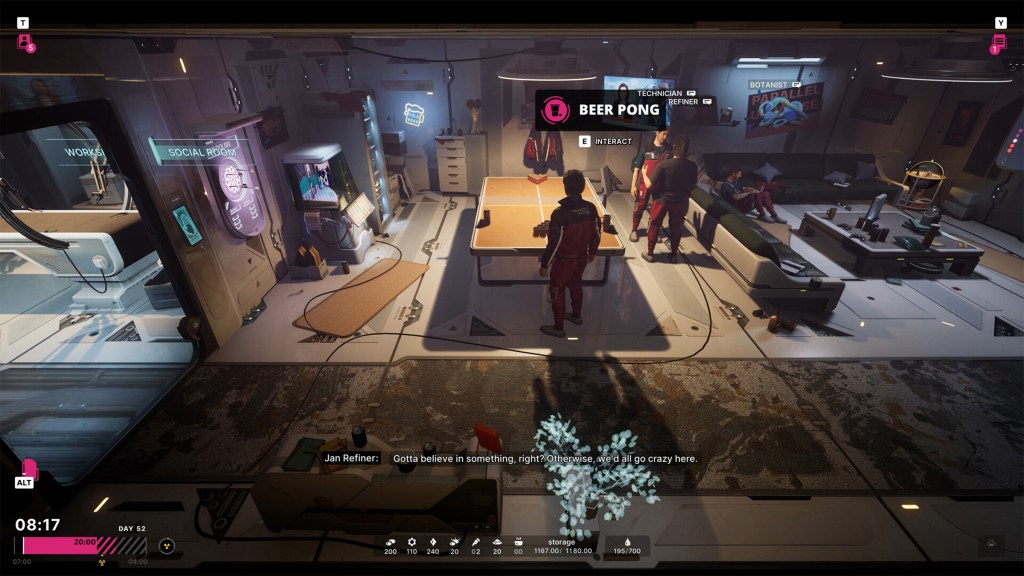
And it’s not just a practice reserved for lackluster games. Sandfall Entertainment did something similar with its critical and commercial darling, Clair Obscur: Expedition 33. While much less severe and taken out within just a few days (and, again, part of a significantly better and more original game), it launched with some AI-generated textured without notification. 11 bit studios ran into a similar debacle with The Alters’ text that included the prompt used to generate said text. Activision did the same with Call of Duty: Black Ops 7, only confirming its gen AI art after getting caught. Others like DICE went a bit further by not disclosing if they’re using generative AI or not, despite the overwhelming evidence present in Battlefield 6. It received its own share of AI “art” after launch, but the team never updated the Steam page, which is an even bolder strategy.
What happened with Crimson Desert and Battlefield 6 will probably be the model in the future when this inevitably pops up again. As studios get pressured to take shortcuts, make ends meet with strict deadlines, or attempt to please clueless executives, this kind of slop will likely start creeping in more and more to more and more blowback. And this loud resistance will probably be accounted for by some on the team, but, in the rush to pinch pennies, that concern will probably sometimes be overpowered by the lust for profit.

Ideally, this kind of practice would be kept far away from game development. On top of being visually repulsive, morally dubious, and against the human necessity to create, this kind of tool seems primarily designed to replace laborers with benefits that are almost always speculative; it could do something impressive in the future according to its evangelists or some optimists but, currently speaking, just ends up stealing enough bits to cobble together an ugly average.
Game development is an art, science, and a business, and failing to disclose if a game has AI-generated art seems like the artistic side is being sacrificed in order to double down on pleasing the business side. Using the technology to skimp on time and withholding that information — which is supposedly required for at least one storefront — to be less transparent in an effort to have one’s cake and also eat it is likely going to keep happening since there’s not much of a downside from the company’s perspective. The tech is not getting better at a rate that helps justify its usefulness, as most recently shown by the vitriol aimed at NVIDIA over its abysmal, yassifying DLSS 5 tech. Gen AI is not currently good or convincing enough for smart companies to be boldly for, so attempting to stealthily slip it by the public is probably seen as the path of least resistance.
With little incentive to stop using generative AI and no direct punishment for not disclosing it, it’s easy to see how companies will keep trying to use this tech and get away with it as the walls keep closing in on the gaming industry. Generative AI is already built on lies and distrust and the industry doesn’t need to surround its use with even more lies and distrust.
What do you think? Leave a comment below and join the conversation now in the ComicBook Forum!
Most Viewed
-

Courtesy of Warner Bros. Japan