Crimson Desert is big. So very big. It does not just invite you in. It dares you to keep up, as if taunting you willingly. In general, open world games have spent the last decade getting bigger, louder, and more ambitious, but there comes a point where scale stops feeling like a feature and starts feeling like a challenge. This might be that moment.
Videos by ComicBook.com
And so, Crimson Desert presents us all with a world that feels almost bottomless, constantly pulling you toward something new without ever slowing down. There is always another path, another distraction, another reason to drift away from whatever you originally set out to do. That kind of design is undeniably impressive, but it also raises a real question. Will most players ever come close to seeing everything this world is hiding?
Crimson Desert Is Packed With an Overwhelming Amount of Content
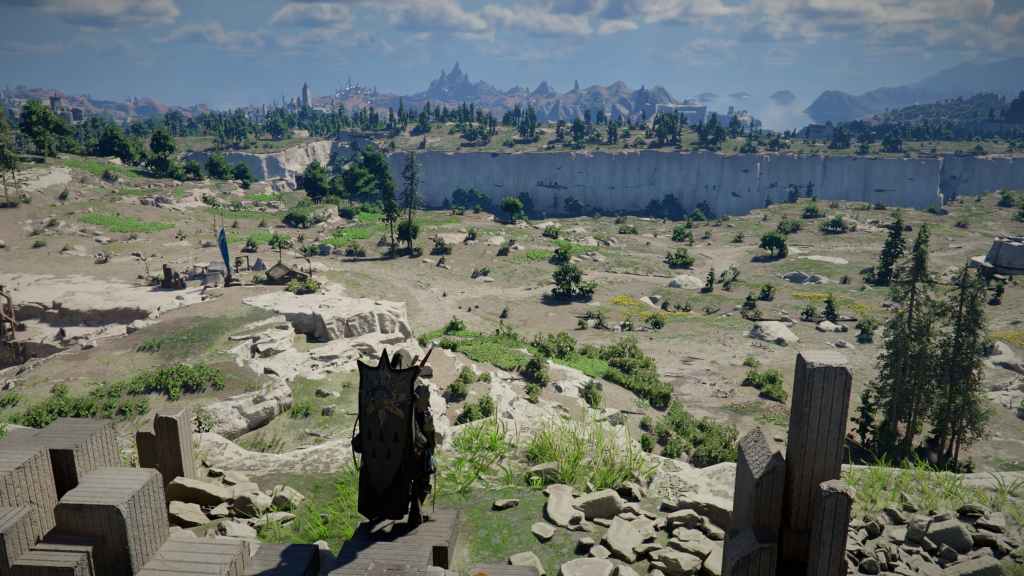
Crimson Desert feels more like a sprawling maze than a just a big map. It keeps unfolding the deeper you go, and you’ll always feel like you’re missing something. You probably are, truthfully. You set out with a clear goal, only to get pulled sideways by something unexpected just minutes later. A simple detour turns into a full sequence of events that stretches far beyond what you planned. That constant redirection becomes the rhythm of the game, and it rarely lets go once it starts. It creates a loop where curiosity keeps winning over intention. Over time, you may find yourself forgetting what your original objective even was. The journey becomes less about destination and more about what happens along the way.
What makes this even more striking is how deliberate it all feels. The world is not just large just for the sake of scale. It is layered with meaningful encounters that keep catching your attention at exactly the right moment. The empty terrain serves as the backdrop to the massive castle sitting just high enough on the horizon for you to spot it. You are constantly being tempted to stop, explore, and engage with something new. That design keeps the experience exciting, but it also ensures that progress never feels straightforward. It creates a sense that the game is always one step ahead of your expectations. There is always something waiting just beyond the next hill.
Eventually, that abundance begins to shift how players think about the game. Instead of asking what should be done next, they start asking what they are willing to skip. That is a very different mindset from most open world experiences. Completion starts to feel less like a realistic goal and more like an impossible one. The game subtly teaches you to let go of the idea of doing everything. In its place, it offers something more personal and far less predictable. As some point, you will begin to define your own version of completion. That sense of freedom can be refreshing, even if it comes with a hint of overwhelm.
Will Players Ever See Everything the World Has to Offer?
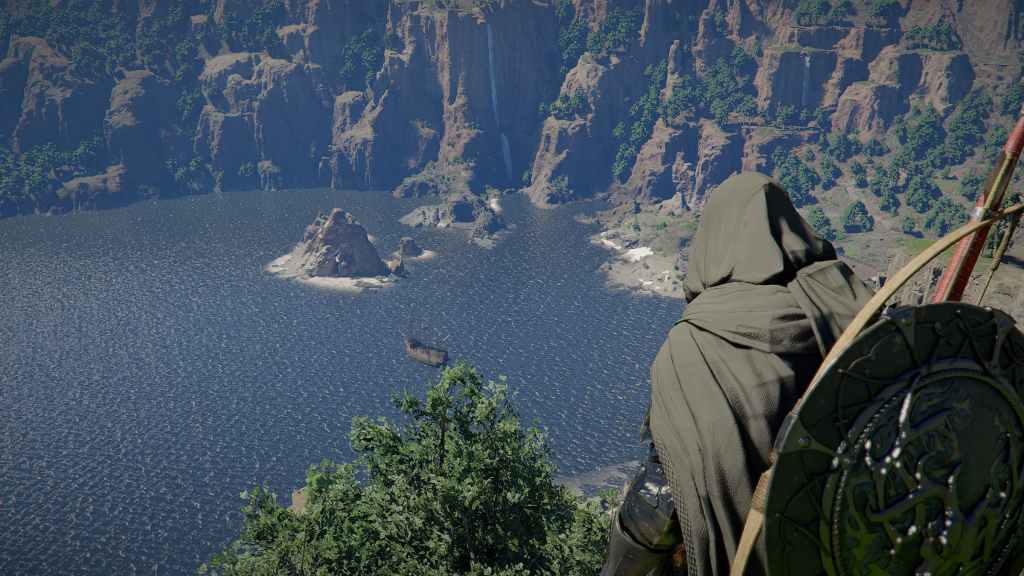
The honest answer is probably not. Most players will not see everything Crimson Desert has to offer, and history makes that clear. Games like Skyrim and Fallout have already proven how this plays out over time. Even players who spend dozens or hundreds of hours in those worlds often leave with large portions of content untouched. Crimson Desert feels like it is pushing that idea even further. It takes that familiar pattern and stretches it to its limits. The scale alone suggests a game that is comfortable being partially experienced.
The scale here suggests a game that is meant to be experienced in pieces rather than completed in full. Players will follow what interests them, chase the moments that stand out, and eventually move on without ever reaching the edges of what the game contains. That is not a failure on the player’s part. It is a reflection of just how much the game is trying to offer at once. The world feels designed to outlast your time with it. It continues to exist whether you see all of it or not. That design gives the game a kind of overwhelming permanence.

That does not make the experience weaker though. In many ways, it makes it more memorable. Knowing there is always something left unseen gives the world a sense of depth that sticks with you long after you stop playing. It feels less like you finished a game and more like you stepped away from a place that kept going without you. That lingering feeling becomes part of the experience itself. It stays with you in a way that more contained games often do not. It turns absence into part of the appeal.
For most players, that will be more than enough. Crimson Desert does not need to be fully completed to leave an impact. It just needs to pull you in long enough to make you care about the time you spend there. And if it does that successfully, then the parts you never see may end up being just as important as the ones you do. It becomes a game defined by experience rather than completion. That shift may be exactly what makes it stand out.
What do you think? Leave a comment below and join the conversation now in the ComicBook Forum!
Most Viewed
-

image courtesy of Studio Ghibli -
Image Courtesy of Studio Ghibli -

Image courtesy of Sony Pictures