Where Winds Meet makes it ridiculously easy to lose track of time. You step outside a city gate or walk away from a main quest marker, and suddenly the entire world feels like it is gently urging you to try things just to see what happens. It has this soft but confident way of telling you that the map is not just a backdrop. It is reactive and very willing to entertain your curiosity. It makes even slow wandering feel rewarding, which is something most games try to pull off but rarely nail this well.
Videos by ComicBook.com
Once you start leaning into that energy, the headline question becomes a real one. Where Winds Meet might just have the best open-world exploration around, comparable to Elden Ring, because the game is built on the idea that discovery does not solely come from icons or instructions. It comes from you deciding to poke something weird, or chase a trail of smoke, or speak to an NPC who is clearly minding their own business. The world feels handcrafted to support randomness in a way that never feels random. You can walk into a place with zero expectations and walk out with a story that only happened because you tried something on a whim.
The Dynamics That Make Random Discoveries Possible
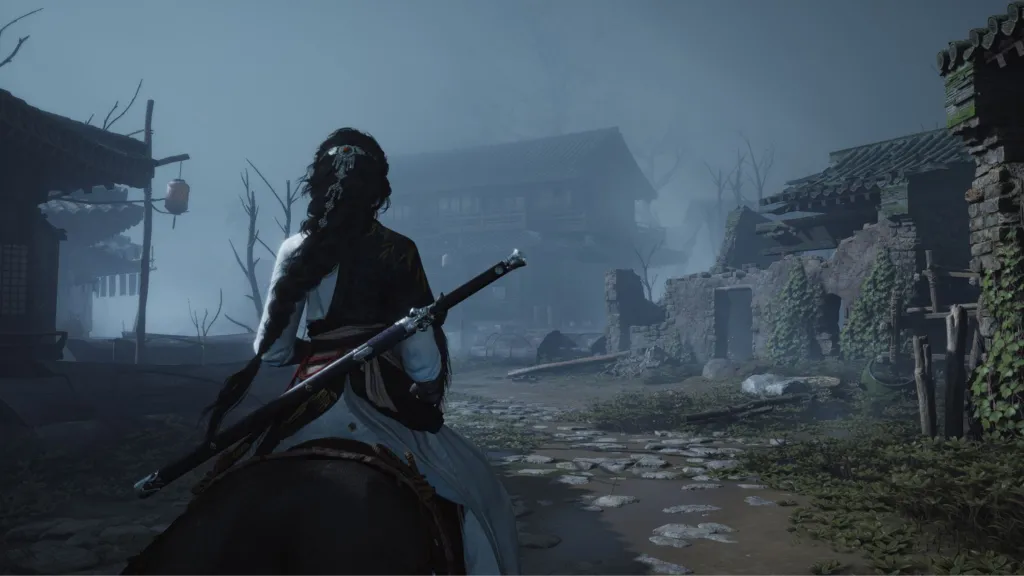
Part of what makes Where Winds Meet so special is the way every system feels aware of the others. Nothing operates in a vacuum. Physics, movement abilities, weather, and even NPC routines cross paths in ways that constantly create new opportunities for discovery. A simple cliff becomes a puzzle because of how your character can climb or use martial arts techniques to change their approach. The game quietly feeds these moments to you without making a scene about it, which makes them feel like real finds instead of scripted beats.
One of the best examples of this is how the game lets you test the limits of movement. You might see a narrow ridge cutting across a valley and wonder if you can actually run across it. In most games, the answer is no or yes with severe caveats. In Where Winds Meet, it often becomes a path to a hidden viewpoint, a small stash of loot, or an NPC who refuses to tell you why they are sitting on a cliff in the middle of nowhere until you insist. The world often rewards the impulse to climb something just because it looks climbable. That impulse becomes a habit because the game constantly proves it is worth acting on.
Even simple interactions can spiral into something more interesting. Break a pot. Chase a stray dog. Nudge open a door you are not sure you are allowed to open. The game is full of reactions that stack together in unexpected ways. Maybe a wandering swordsman thinks you are picking a fight, or a villager mistakes your curiosity for confidence and asks you for help. These tiny reactions, even if they are static, are the backbone of the game’s exploration, because there are so many of them. They make every small action feel loaded with potential, which turns wandering into a genuine thrill. The world becomes something you play with instead of something you walk through.
Curiosity Turns Simple Actions Into Surprising Moments
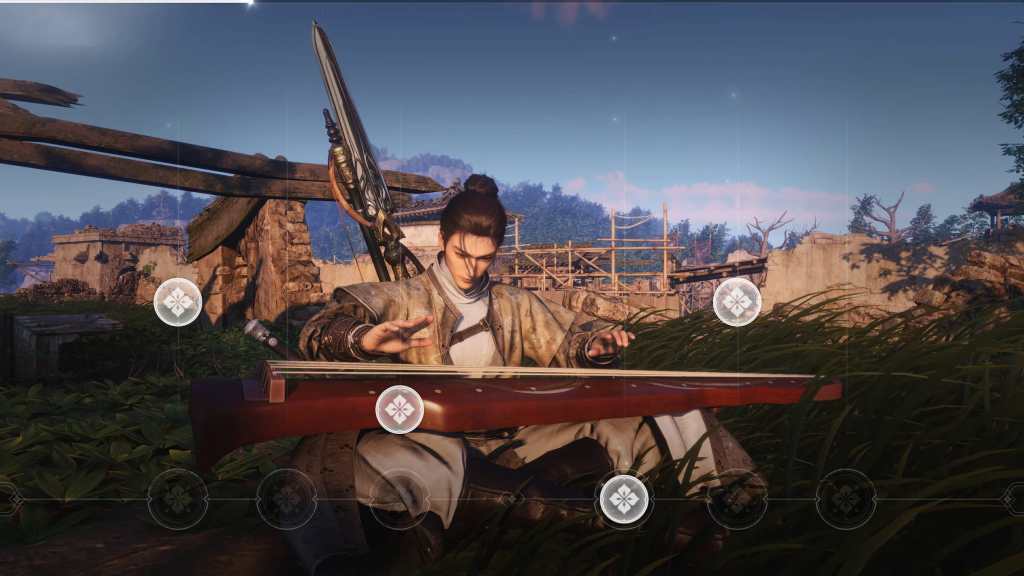
This is where Where Winds Meet really shines. Curiosity is rewarded in ways that feel personal. One of the best examples is how NPCs respond when you stop to actually talk to them. Most games treat background characters like decorations. Here, a casual conversation can turn into a clue for a hidden location or a shortcut you were never meant to find so early. You can even pressure or threaten characters if you want, and sometimes that flips the situation in a totally different direction. Say the wrong thing, and that NPC and his buddies might actually attack you. This actually does happen in the game. You never really know what a conversation will lead to, which makes you want to talk to everyone you meet.
The game also lets curiosity influence combat and exploration in ways that feel playful. Spot a group of bandits near a campfire, and you might think walking up to them is suicide, but the systems react to whatever approach you choose. You can sneak in, walk up openly, or use environmental tricks to surprise them. These little experiments turn into mini stories that feel like they belong to you. You did not follow a tutorial or a quest prompt (though they are optionally there if you want them to be). You just acted on a whim, and the game made something out of it.
Exploration itself becomes a constant string of these moments. You might be riding across a quiet field and see a lone figure waving you down. You could decide to stop because something about it feels interesting. Suddenly, you are solving a small mystery involving a thief or learning a martial technique you did not expect to find. The world does not need giant set pieces to feel living, and it really shows when you play through it. Every path hints at the possibility that it might lead you into something memorable, which makes the act of roaming the world incredibly fun. It is the kind of game where you set out with a plan and abandon it within minutes because something more interesting steals your attention.
What do you think? Leave a comment below and join the conversation now in the ComicBook Forum!
Most Viewed
-

Courtesy of TOHO Animation -

Image Courtesy of A-1 Pictures -

Image Courtesy of Marvel Comics -

Image Courtesy of MAPPA