Dragon Ball has gotten plenty of game adaptations over the years, with many of them choosing to revisit the established lore of the series. Some of the more creative entries in the series like the Xenoverse games or Sparking! Zero have indulged in custom characters and what-if scenarios to experiment with the formula. However, ten years ago, a relatively obscure entry in the franchise took the idea of character fusions and lore tweaks to an entirely new level.
Videos by ComicBook.com
Dragon Ball Fusions was focused primarily on the titular fusions, a technique in the Dragon Ball franchise where two characters combine themselves into a new collective form that gains the power and personality of the two. Fusions used that mechanic as the ultimate power move in a massive time-bending tournament that pushed the franchise into some wild directions. Looking back on the game ten years later, here’s why Dragon Ball Fusions‘ biggest swings were so weird and memorable — and how the game’s wildest inventions still stand out from the rest of the long-running franchise.
Dragon Ball Fusions Titular Mechanic Is What Makes It Memorable
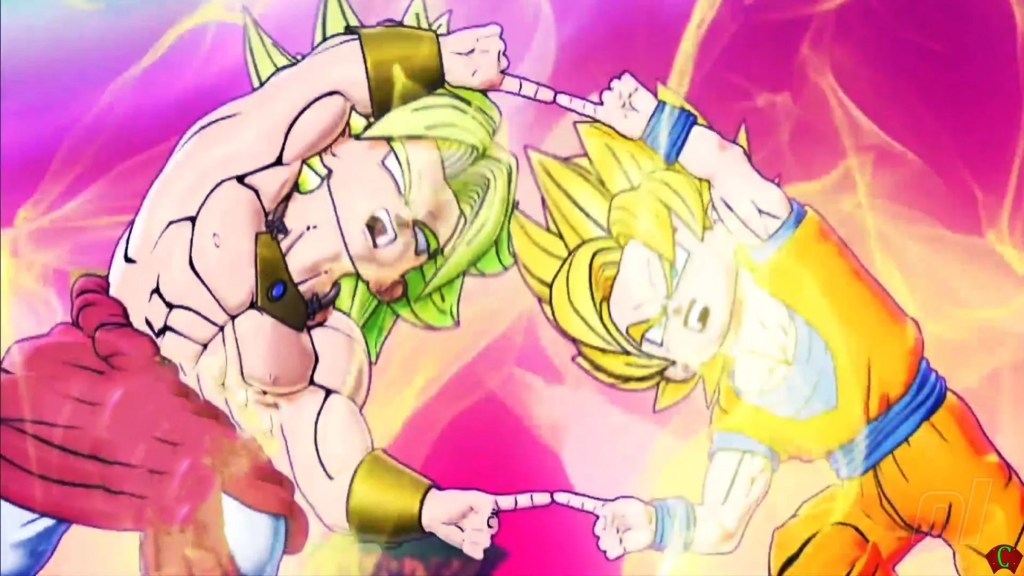
Dragon Ball Fusions was released for the Nintendo 3DS, hitting Japanese players on August 4, 2016, before launching in North America in November of that year. The game is a turn-based strategy game that focuses on the player character and their frenemy Pinich, who use the Dragon Balls to have the greatest fighting tournament in history. Both characters venture around a new world created by the wish-granting dragon, recruiting a team of notable Dragon Ball warriors to enter the battle. One of the key gimmicks of the game was the emphasis on fusion, the process by which Dragon Ball characters temporarily combine themselves into a single new body.
One of the biggest abilities in the game allowed the player to fuse any members of their squad into new characters, creating a lot of wild new fusions that have never appeared elsewhere in the series. These powerhouses were the key to beating the game’s most dangerous threats, especially when villains like Frieza and Cell began combining their own powers to create new dangers. While the underlying game was fine — Dragon Ball Fusions earned decent reviews at the time of release and can be fun if a bit repetitive for strategy fans — it was that fusion mechanic that stood out and made it memorable when compared to the countless other Dragon Ball games that have been produced over the years. The Ultra Fusions in particular stand out, massive combinations of five characters into a whole new kind of powerhouse. In fact, a decade later, some of those fusions are still among the weirdest little touches the franchise has ever gotten.
Dragon Ball Fusions’ Weirdest Character Combinations
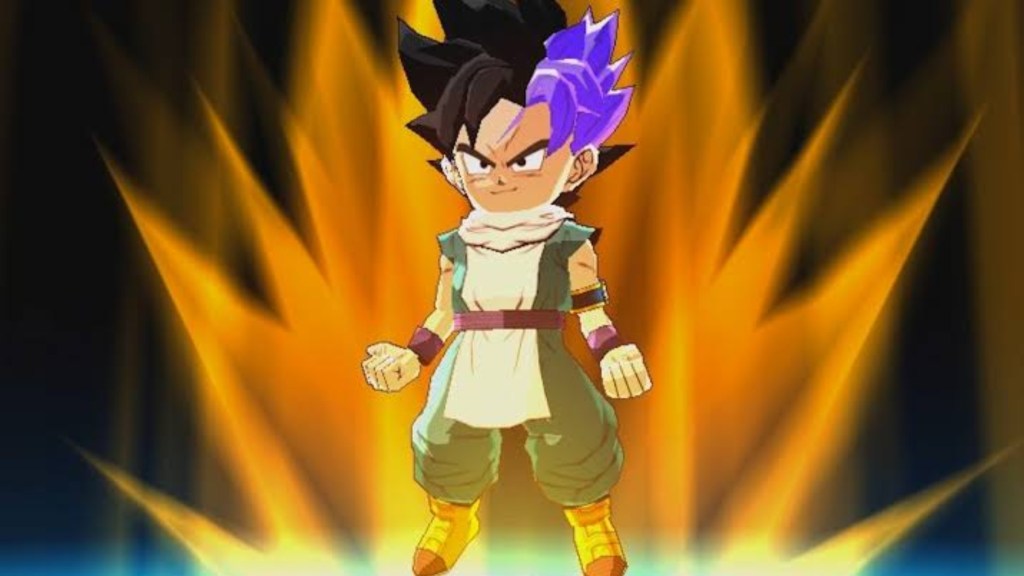
Dragon Ball Fusions has some truly bizarre character combinations that stand out from the rest of the series even a decade later. The game’s focus on fusions was a good excuse to bring back deep-cut creations like Prillin, the surprisingly goofy fusion of Piccolo and Krillin from Shonen Jump, or Tiencha, the Tien/Yamcha combination who appeared in Dragon Ball Z: Budokai 2. Celluza takes Frieza and Cell and fuses them into one of the most powerful villains in the entire franchise, with enough power to break entire universes. Another potential big bad threat is the result of the fusion of Goku Black and Broly, creating Kalory Black. Members of the Ginyu Force can combine into new shared states like Gulce (Jeice and Guldo) and Recurter (Burter and Recoome).
Radditz and Nappa, both minor but memorable Saiyan villains from early in Dragon Ball Z, could combine into Natz. Never-before-seen heroic combinations, such as Goku and Krillin’s Gorillin were possibilities. Even timeline-breaking fusions like Bardock and Goku’s Barlot or the unbelievably powerful Goku/Beerus combination Gorus could factor into the game. A big part of the appeal was just seeing how weird and wild the players could get with the mechanic, creating vivid new characters not possible anywhere else in the series. This is what makes Dragon Ball Fusions so memorable years later, even just as an odd footnote in the history of the franchise.
Concepts like the five-character fusion have never been seen elsewhere in the series and remain a striking addition to the franchise, creating characters that more or less break not only the rules of the universe but render the power scaling inherent to the combat-heavy franchise a moot point. These elements helped the game stand out, putting emphasis on unlikely team-ups in part to see what the unexpected combinations would look like. It’s the sort of move that even the strange touches of Dragon Ball Xenoverse can’t necessarily match, which is saying something given how that sub-series has defined itself in part by imagining the wildest directions possible for the franchise. While the game might have been overshadowed by other titles like Dragon Ball Xenoverse, Dragon Ball Fusions is at least weird enough to be truly memorable.
More Gaming
-

Courtesy of 343 Industries -

Image Courtesy of Sony Interactive Entertainment