The planned expansions for Dungeons and Dragons in 2027 revealed at Gen Con this year are quite exciting, taking players back to classic regions from early iterations of the TTRPG. For example, the Season of Survival is returning players to the post-apocalyptic world of Dark Sun, while the original Gary Gygax created Greyhawk setting is coming later through the Season of Sword & Sorcery. This attention on older 1st and 2nd Edition locations from D&D‘s past could continue beyond 2027, bringing back other nostalgic settings for players to try.
Videos by ComicBook.com
Each of the Greyhawk and Dark Sun adventures coming to D&D in 2027 are both being integrated into the newer 5.5e rules for the game established a few years ago. This likely means both expansions will see new subclasses, stat blocks, magic items, and more brought from playtesting and other materials into official content for the most recent version of the game. With other Seasons of content as part of that year’s roadmap, including crossovers with legendary series, the long-term plans of the TTRPG seem to be growing by the day.
5. Jakandor
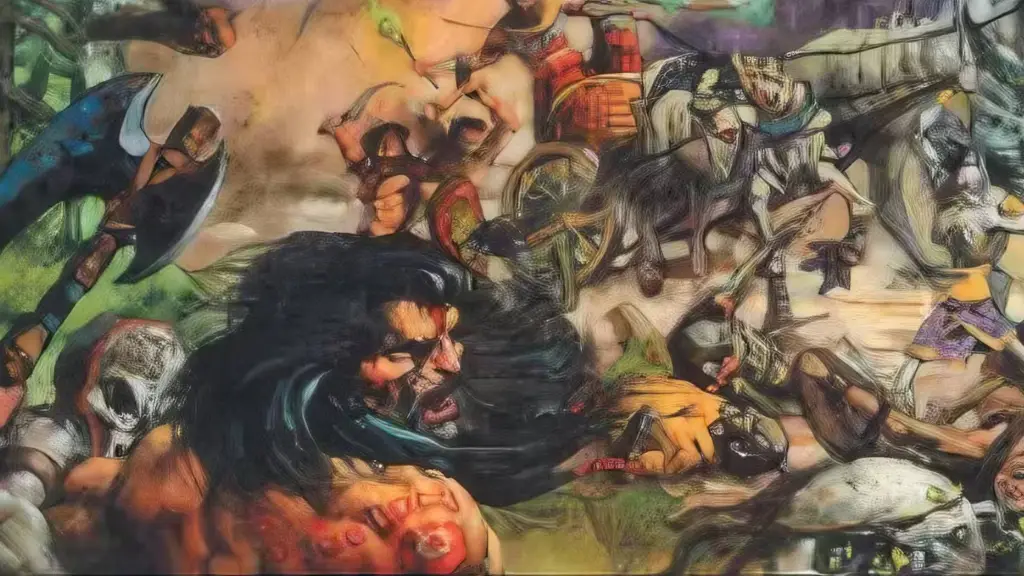
Although many iconic D&D settings like Ravenloft, Dragonlance, Eberron, and the Forgotten Realms have been adapted over and over again, few players might remember the underrated gem called Jakandor. Released back in 1998 back for the Advanced Dungeons and Dragons 2nd Edition (AD&D or 2e), Jakandor was created by Jeff Grubb, and adopts familiar fantasy tropes within a very grounded island world. Jakandor itself is an isolated region of the world it’s in, focusing less on larger lore and world building in favor of developing deep, interesting cultures.
There are three different books that cover the world of Jakandor, which itself is the name of the island in the setting. On Jakandor, there are two major peoples — the native Charonti society that relies heavily on magic, and the Knorr barbarians who despite magic in every way. Each book released for Jakandor detailed the nuances of each faction, including their conflicts with each other and adventures players could participate in revolving around particular clashes. The books include:
- Jakandor, Island of War – Book detailing the Knorr barbarians and the eastern side of Jakandor.
- Jakandor, Isle of Destiny – Book detailing the Charonti, their affinity for necromancy, and the western side of Jakandor.
- Jakandor, Land of Legend – Additional information book about Jakandor, including adventures, NPCs, and other useful knowledge to run adventures.
Jakandor’s nuanced take on morally grey societies is far different from the black-and-white, good vs evil battles you typically get in D&D. A “Season of Conflict” for the game today could bring back Jakandor, with the island’s isolation easily making it a place that can be integrated into The Forgotten Realms or somewhere players are used to. Although parts of it are certainly dated, having such rich character building ingrained into the world could inspire players and creators to build unique stories around Jakandor’s constant ideological struggles.
4. Blackmoor
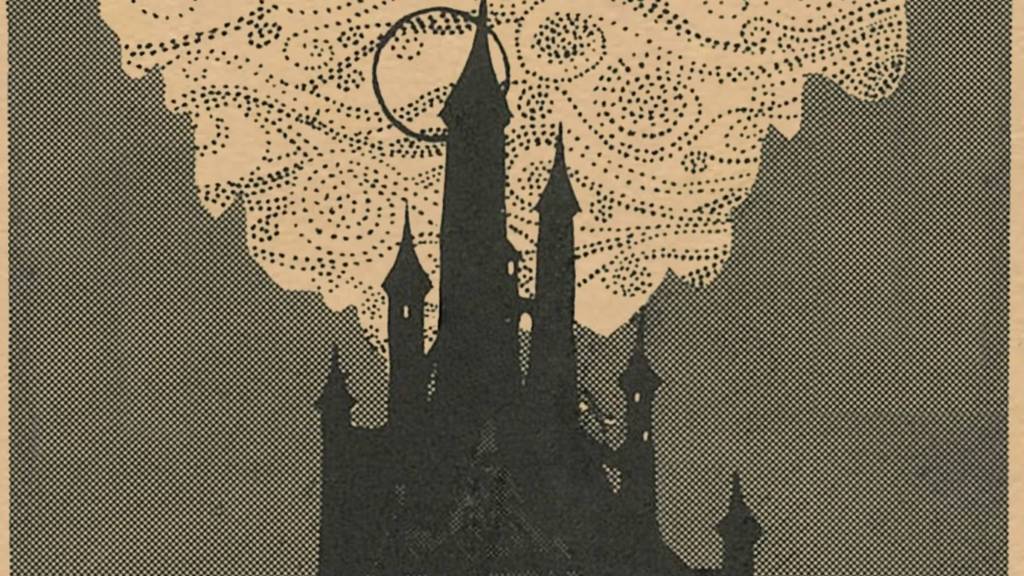
Darkmoor is likely the oldest setting in D&D‘s history next to Greyhawk, acting as the very first playground for the TTRPG before more popular options took its place. Used before even Dungeons and Dragons was created, a Blackmoor supplement for D&D was eventually published in 1975, making it foundational to the game’s past. Inspired by war games and gothic horror, Blackmoor is often considered the basis for Ravenloft, meaning that great adventures like The Curse of Strahd in 5th Edition wouldn’t exist without it.
Bringing back Blackmoor would require some changes, but the traditional gothic fantasy of its world would likely still be appealing, even if most players may not get its Conan the Barbarian roots today. In many ways, this game could have a more “grounded” feel, with supernatural elements being far rarer or spectacular in Blackmoor compared to other regions. Almost taking things back to basics, a simple adventure or dungeon crawl back in Blackmoor could help D&D go full circle over 50 years after its inception.
3. Nentir Vale
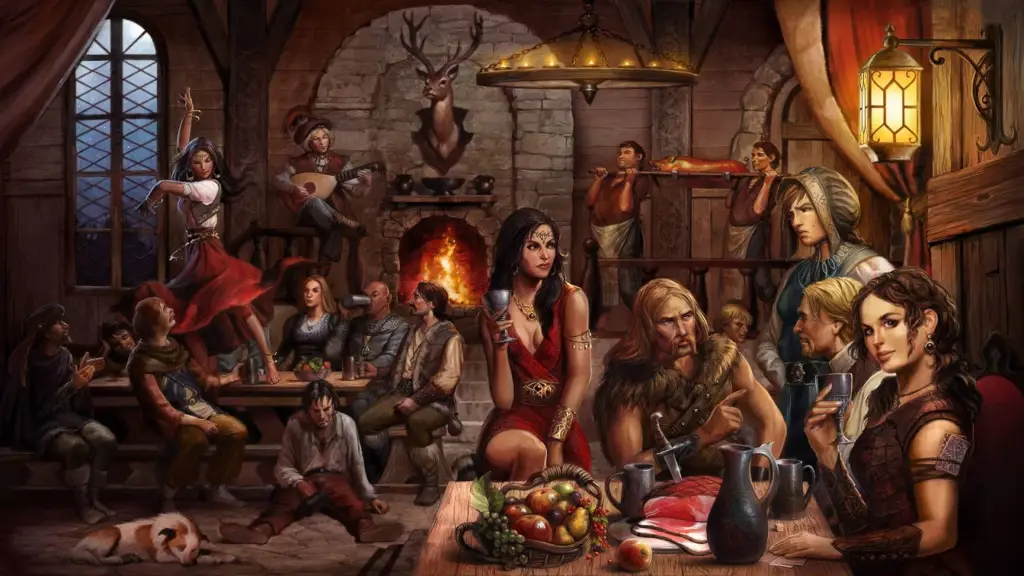
4th Edition of D&D is one that divided a number of players, but its default setting of Nentir Vale had a variety of interesting qualities. Unlike the highly detailed brutality of somewhere like Dark Sun, Nentir Vale is a sandbox largely left open to player interpretation and imagination. Parts of the world were deliberately left open before, giving players a way to build up ideas at their own tables. That being said, there is still plenty of information to create a new expansion based around D&D‘s current story telling process.
The idea of Nentir Vale being set in a land where the age of heroes have long gone could create a number of fascinating adventures. For example, the recent history of Nentir Vale at the time of 4e was that great empires of tieflings and dragonborn had fallen, leaving an aftermath that could be worth exploring. Various locations called “Points of Light” act as bright spots of civilization in an otherwise scattered world, with important characters driving new journeys in those areas. Some players consider Nentir Vale almost like the “sequel” or “future” to places like Greyhawk and The Forgotten Realms, acting as an immediate follow-up to what players are used to.
Instead of Spelljammer or Planescape’s popular futuristic or inter dimensional settings, Nentir Vale is far easier to integrate into what D&D has evolved into. A “Season of Light” to set adventures in Points of Light 4e players are familiar with could be nostalgic, with new mechanics in those regions almost being an apology to the discourse of that Edition.
2. Birthright
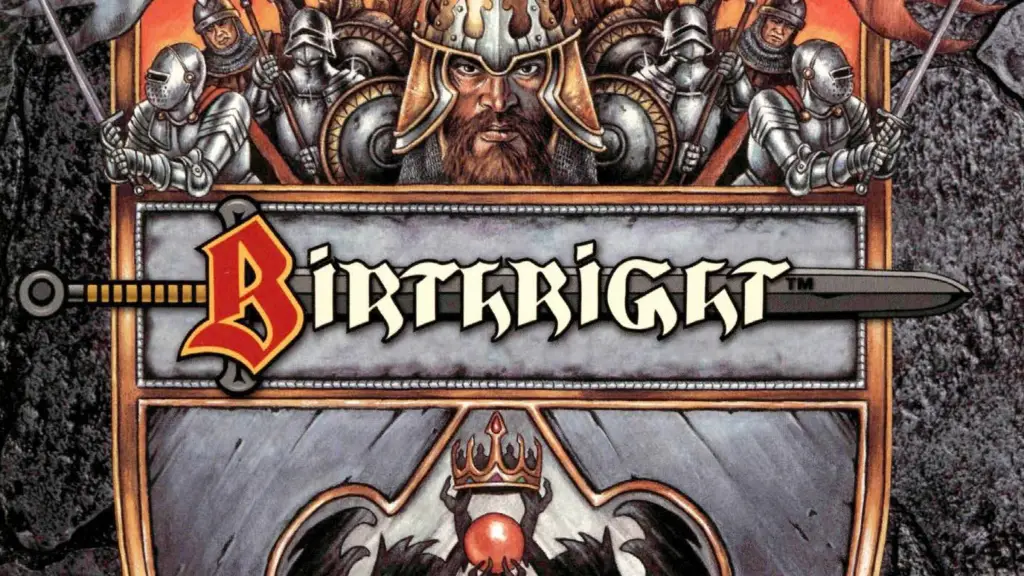
The Birthright setting from 1995 is another environment where the D&D rules are flipped on their head, with mechanics that vary from the base game in the same way other settings introduce new features to the TTRPG. Birthright is centered around the continent of Cerilia, in a larger world of Aebrynis, where players are often members of political wealth or power. The adventures of Birthright are less about traditional dungeon crawls and adventuring, but rather gaining Regency through a unique point system to maintain the strength of your political power.
Alliances, schemes, and characters with bloodlines defined by divine power are the themes of Birthright, with Game of Thrones levels of intrigue baked into D&D‘s familiar systems. Domain actions and ruling over nations creates dynamic situations that are far larger in scope to the heroic, and often chaotic, exploits of your average adventurer in 5th Edition. Depending on your actions, the weight of consequences and conflict lead to larger responsibilities, making a game measured in careful choices that could take a table hours to decide upon.
Although certainly not for everyone, Birthright could be an amazing setting for a “Season of Politics” or “Season of Schemes” in D&D‘s new roadmap model. Bringing back Regency and giving player characters more regal options in character creation could build complex stories, where you get to design your own house and domain within a larger world. Introducing adventures centered around complex political plots is already integral to some parts of D&D, but giving players direct control or influence tied to larger events from the start could create an extremely appealing place to play.
1. Mystara

Mystara is another setting with a lot of history, but unlike Blackmoor, it features a high fantasy unique to itself that can’t quite be compared to other regions. The setting takes place in what it calls “The Known World,” a region inspired by real-world locations and histories that have been adopted for D&D play. Unlike normal D&D, which has its roots in The Lord of the Rings and other fantastical fantasy inspirations, Mystara draws its geography from real-world sources, with its map meant to be an analog to Christopher Scotese’s map of Earth during the Jurassic period.
There aren’t big dragons or Mind Flayers in Mystara, but Shadowelves, Rakasta catfolk, Lupin dogfolk, Tortles, and other beast-like character options help separate the setting from what players might be used to. With multiple sub-areas, such as the “Hollow World” region of Mystara filled with prehistoric monsters like dinosaurs, this setting has multiple places that players could explore in very different adventures than what D&D typically provides. For example, an excursion to the Red Steel or Savage Coast area could see players gain mutant powers from a poisonous red dust, potentially creating crazy subclasses for tables.
The subtle but familiar differences in Mystara liken it to Dark Sun or Dragonlance, with a huge amount of history that could be built into a new Season of content. For D&D‘s recent approach to the game, returning to Mystara could be nostalgic, fresh, and ambitious due to the setting’s great variety and world building.
More Gaming
-

Image Courtesy of Dreamworks -

Image Courtesy of Electronic Arts -

Image Courtesy of Electronic Arts