The Nintendo library of games has some of the most iconic fixtures of gaming, along with some truly classic cult classics. This extends to the Mother series of games, which went from a minor entry in their roster to an acclaimed entry atop the RPG genre. Earthbound is the American title for the Mother series, an offbeat collection of RPGs that felt like nothing else coming out at the time. The original game, which debuted in Japan in 1989 but never made the leap to Western shores until decades later, follows a young boy as he investigates paranormal events across his country.
Videos by ComicBook.com
Whereas plenty of RPGs in this era were epic, fantastical adventures, Mother and Earthbound leaned into the modern setting, with a goofy sense of humor that helped them stand out from anything else on the market. The success of the first game in Japan prompted a sequel, which was even given an American release in hopes of becoming the next Nintendo global hit. Hitting the shelves twenty-one years ago today, Earthbound struggled to connect with Western audiences upon release but has since evolved into one of the publisher’s most memorable cult classics. Given how the gaming landscape has shifted and finally reached a point where games like Earthbound could get the respect (and sales) they deserve, there’s never been a better time for Ness and his friends to get a reboot.
Earthbound Didn’t Get The Attention It Deserved Upon Launch
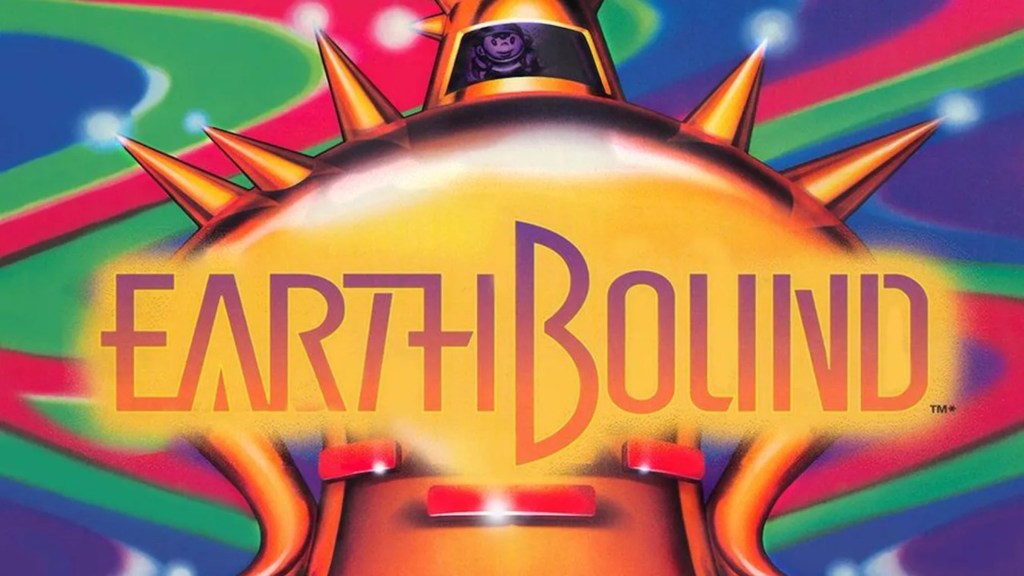
Hitting American shelves on June 5th, 1995, Earthbound was an oddball entry to the Nintendo library whose reputation would only grow over time. The second entry in the satirical take on the RPG genre, Mother 2 was renamed Earthbound so as not to confuse American players who had never gotten a hold of the original due to its Japan-only release. The game follows Ness and his friends as they embark on a mission to recover the eight melodies that can repel the galaxy-destroying force known as Giygas. While the underlying mechanics of exploring a larger overworld and danger-filled dungeons were familiar to players, the game’s technical advancements made the transition between the two settings seamless, all without losing the colorful charm of the art design.
The underlying sense of humor helped distinguish it further from its peers. Encouraged by game director Shigesato Itoi to experiment with game design and presentation, the team on Earthbound was able to push the RPG structure in ways that feel like norms in the present day. Enemies included piles of vomit, and currency came courtesy of Ness’ father putting money into his bank account after successful battles. Even the game’s anti-piracy tech, which would delete the save file on pirated copies of the game just as the player reached the final boss, feels painfully modern in its self-awareness and cheeky humor.
The game’s sense of humor and ambitious gameplay tweaks made it a solid success in Japan, but the satirical ad campaign and lack of interest in the genre at the time left it floundering in North America. While it was a flop upon release, Earthbound quickly became a cult classic among players – and created a much larger cultural footprint when Ness was included in the roster of Super Smash Bros. Since then, critical appraisal of the game has underscored the depth of the design and the strength of the worldbuilding, with the game often ranking among the best RPGs of its era.
We’re Long Overdue For An Earthbound Revival
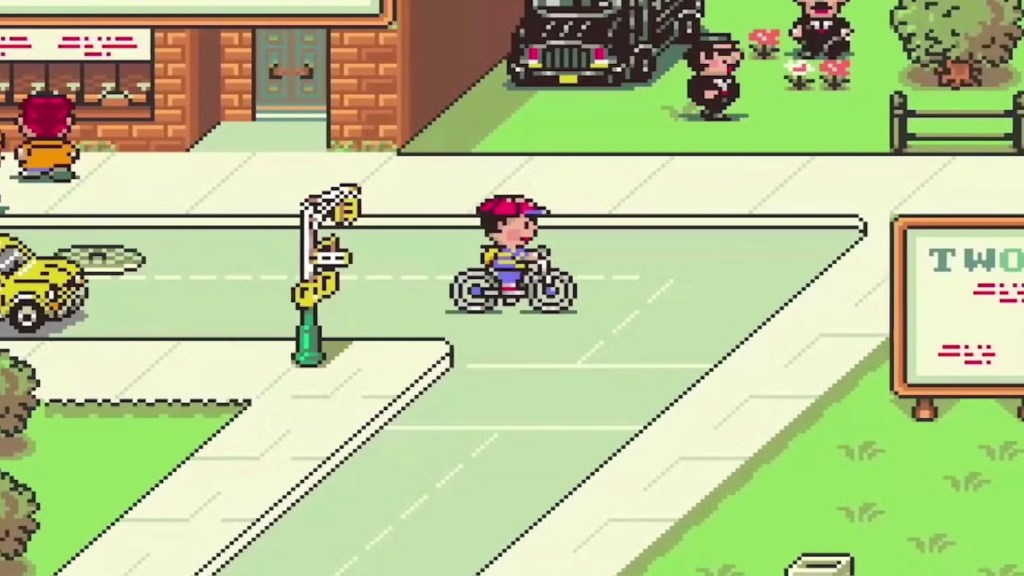
Earthbound felt, in many ways, ahead of its time. The blend of tight turn-based RPG and purposefully weirdo storytelling was something the genre really needed – and that Nintendo has subsequently gotten very good at, thanks to titles like Paper Mario. Other RPGs that mimic the aesthetic and tone of Earthbound, like Undertale, speak to the ambitious potential that this type of approach can deliver. It’s the sort of RPG that knows how to balance cosmic horror, precocious characters, and goofy storytelling to reach the best effect.
Frankly, it’s shocking Earthbound hasn’t gotten a modern revival, given how the current gaming population has embraced the sort of innovations that Earthbound was striving towards in the SNES era. Although Mother 3 was released in Japan in 2005 for the GBA, a modern take on the series could finally make it a hit with global audiences. Titles like Baldur’s Gate 3 and Clair Obscura prove that turn-based RPGs are having a modern resurgence, while years of offbeat comedy games thriving suggest the player base is better positioned to accept the franchise’s trademark humor.
Ness and Lucas becoming consistent figures in the Smash Bros. space would likely help get eyes on a new entry, especially for players who’ve wanted a chance to see the pair brought to life in that style instead of just the 2D sprites. Nintendo’s increasing embrace of open-world games (as seen with Pokémon and Legend of Zelda) underscores how modern Earthbound’s shared overworld feels in retrospect – and how easy it would be to update the game for modern sensibilities. A new Earthbound could take lessons from the games that inspired it, firmly recommending its place in the RPG pantheon. Given the success of the Switch 2 and how the console is already bringing back other franchises like Star Fox that haven’t gotten new games in a while, the console might be the perfect place to revive Earthbound. Over two decades after the series debuted in the West, Earthbound deserves another chance to shine.
More Gaming
-
Save on dozens of games across Nintendo's biggest franchises, including Mario, Zelda, Metroid, and more. -
Paramount – Legendary Pictures -

Courtesy of South Park Studios / Rockstar Games