For the longest time, roguelikes were not my favorite genre by a long shot, oftentimes not offering anything appealing enough to justify their repetitive nature. Although a roguelike’s design is based on random elements generated in controlled loops, few games created a structure that didn’t make me drop a title after a few run attempts. However, one game changed altered my perspective, crafting an experience that shifted my opinion into appreciating roguelikes far more than before.
Videos by ComicBook.com
Plenty of great roguelikes this year and the previous have been well-received by fans, including the incredibly popular Hades 2. Other great indie games like Mewgenics have caught audiences by storm, introducing almost infinite variables in their rougelike formulas to keep players constantly on their toes. From strategic turn-based gameplay to consistent action, roguelikes have the ability to transform basic ideas into much larger ones through their use of procedural generation that keeps a new run interesting.
Dead Cells Celebrates Its 9-Year Anniversary In May 2026 As A Truly Excellent Roguelike
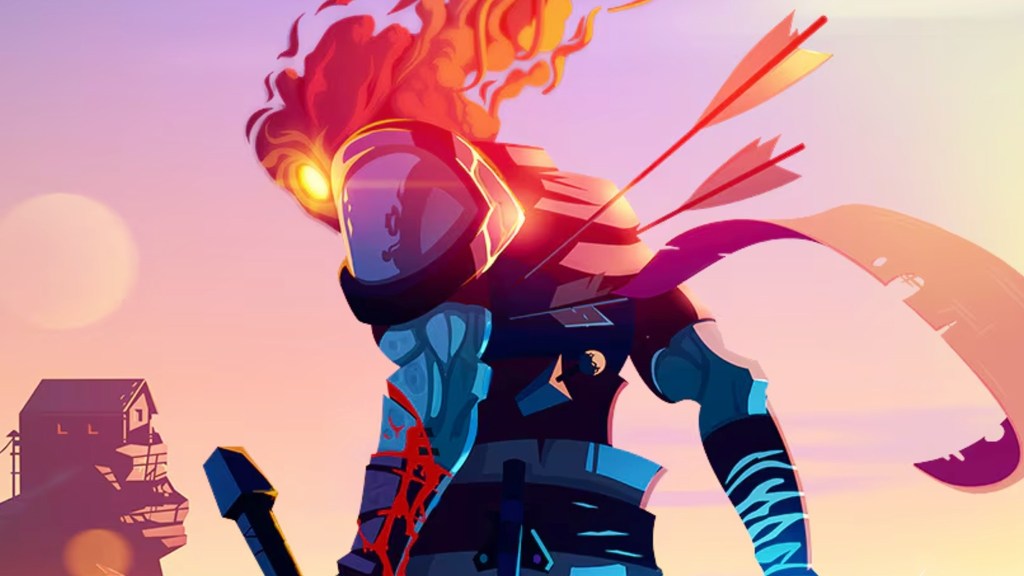
Many fans of the roguelike genre consider Dead Cells as one of the best, a “modern” take on the roguelike formula that first launched in 2017. Since its release, this game has received numerous DLC expansions, creating layers of content that have solidified it into players’ minds, to the point where the game has crossed over with other iconic franchises like Castlevania. In many ways, Dead Cells takes a very Castlevania approach to its gameplay, adopting a sleek pixel-art aesthetic with darker fantasy vibes for players to enjoy.
Each run of Dead Cells starts with a selection of random weapons, immediately putting you into categories that drastically change your approach to every run. Investing into either Brutality, Tactics, or Survival trees correspond to level up scrolls and mutation perks you pick up throughout a run, giving you a slow climb up into a personalized build. Support weapons and alternate tools add extra layers to build crafting, with your preferences and boss weaknesses allowing for deeply customized touches to how you experience combat.
Accessibility goes hand in hand with some brutal moments of difficulty to create a balanced roguelike, perhaps becoming a trend setter in the genre. To this day, many “modern” roguelikes imitate Dead Cells‘ careful juggle of tough opponents and deeply varied build paths. Players can even choose with locations they go to during their runs, meaning that even the exploration you engage with is entirely up to you. The rigidity of other roguelikes for their loops had often frustrated me, but Dead Cells‘ levels of players choice was pleasantly unexpected.
Fast-Paced Combat & Huge Run Variety Kept Playthroughs Of Dead Cells Fresh
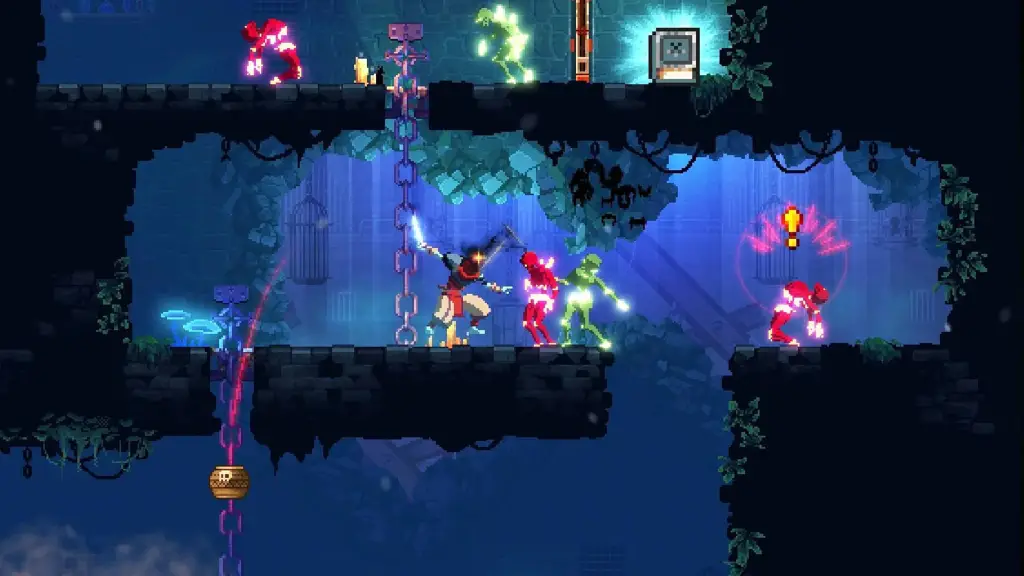
The combat of Dead Cells felt far deeper than other roguelikes too, at least when I started playing it. The combination of dodges, parries, and unique play styles based on what weapons you chose created multiple pros and cons to every combat option you choose. For example, having a simple sword gives you access to perfectly timed parries, but very little range for tracking down some enemies. At the same time, choosing a bow would give you that range, but make you incredibly vulnerable to aggressive enemies or bosses.
These systems are anything new to the genre, but they way they were executed and communicated were far clearer than similar games have tried. The visuals of this game are paired with devastating moments of brutal difficulty, making huge build-ups of great runs feel devastating to lose. While most roguelikes that defeated me like Dead Cells did would cause me to quit, the idea behind trying a different build approach on a new run kept me coming back. These new ideas were not a mystery, as getting into them was something you could do at a reasonable pace.
Celebrated Add-On Content Over The Years Keep Introducing New Elements Of Dead Cells To Explore
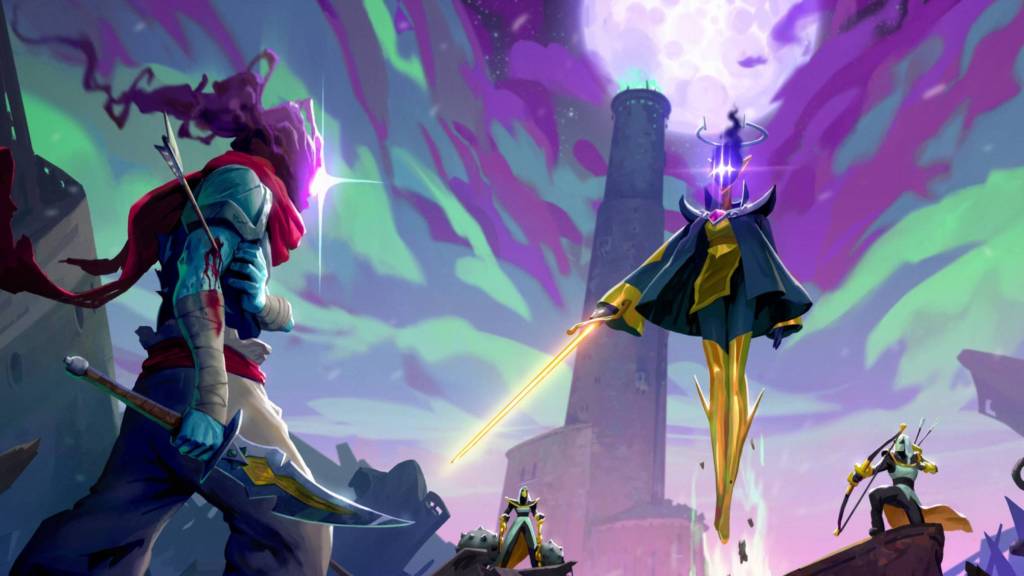
The approachable RNG, combat systems, and build variety of Dead Cells has only expanded over the years since its release. Excellent DLC expansions like The Queen and the Sea, Fatal Falls, and The Bad Seed have expanded what is possible in Dead Cells even further, only adding to its good qualities while refining what players engage with the least. Of course, the Return to Castlevania DLC to Dead Cells is incredibly celebrated, with even alternate modes helping developer Motion Twin be the leading creators behind the next entry in the beloved franchise with Castlevania: Belmont’s Curse.
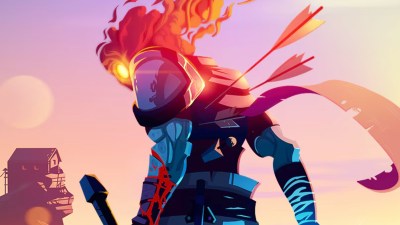
Everything from extra weapons to more challenging bosses during runs add dozens, if not hundreds, of more hours to Dead Cells. Even after nearly a decade, players are still finding new build concepts and facing moments of bad luck that keep them coming back to a new run. The enormous amount of approachable mechanics give players tons of freedom, either to save their progress or even turning off weapons and items they don’t like from spawning. For players who want an experience tailored to their preferences, this game is among the best in its genre.
The immense freedom this roguelike gave me helped me understand what aspects of the genre I enjoyed the most, instead of an experience that only had pieces of something enjoyable. Due to the many hours put into Dead Cells, I now can recognize which roguelikes are the most appealing to me, and have a greater appreciation for a genre that provides so much player freedom in an unorthodox format from other games.
What roguelike helped you get into the genre? Leave a comment below or join the conversation in the ComicBook Forum!
More Gaming
-

Courtesy of Rockstar Games -

Courtesy of Fury Studios -

Courtesy of 343 Industries