When Fable debuted in 2004, the game’s big selling point was the idea that it could allow players to become whatever kind of character they wanted to be. This extended to morality, to the point where your character could become so heroic they had a halo floating over their head — or become so villainous that they actually grow devil horns. It was a goofy concept that worked thanks largely to the storybook charm of the overall aesthetic and approach.
Videos by ComicBook.com
Plenty of other RPGs had or have similar mechanics, but the extremes of Fable‘s execution made it especially memorable in an otherwise crowded genre. That’s also why it’s somewhat disappointing to hear that the newest game in the series is going for a more nuanced approach that also makes it feel more similar to every other RPG out there, rather than recreating the unique approach of Fable. That overt morality system in the early Fable games was a major selling point of the series, and taking it away undercuts the unique space it had in the RPG genre.
How The New Fable Is Completely Changing Morality In-Game
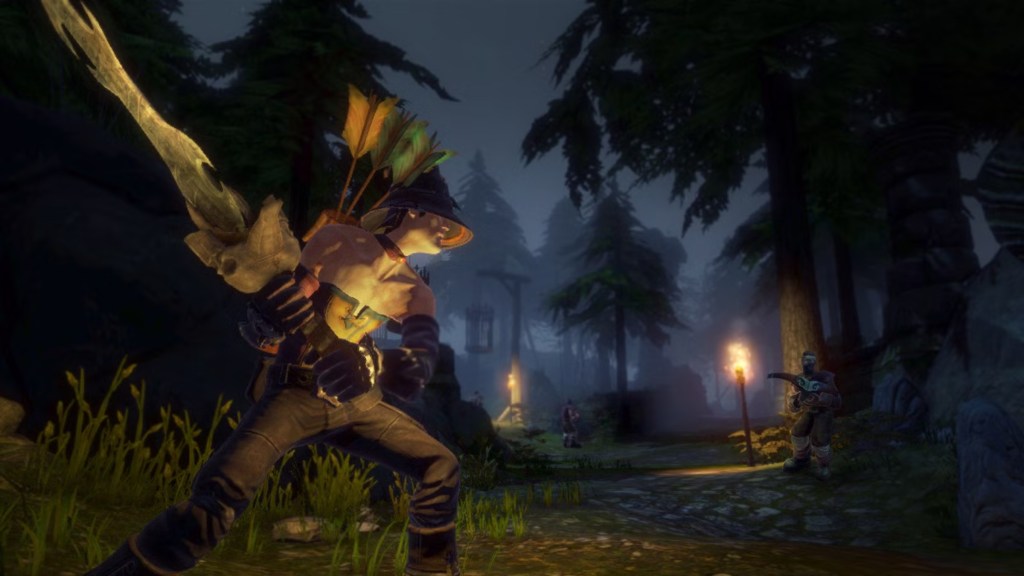
The new Fable is dropping the moral alignment character mechanic, taking away one of the most memorable elements from the original games. Given that the ability to play as both a good and a bad character was an early selling point for Fable, this change speaks to a shift away from Fable‘s more unique past and pushes it more into the standard space for modern RPGs. The new Fable is being developed by Playground, which has confirmed the game will be getting plenty of modern updates for its newest entry.
Playground founder and general manager Ralph Fulton has already confirmed that the morality system will be severely tweaked for the new Fable, even dropping the moral alignment entirely in lieu of a new “reputation” system. Player choices and interactions will influence how the game developers, with a lack of objectively good or bad decisions in the narrative. While that lends itself to more complex narratives, there’s something to be said for a game that has a straightforward morality system, especially when it’s positioning itself as a “fable” that you get to direct.
Fable creator Peter Molyneux agrees that this isn’t an ideal development for the series, even calling the lack of physical transformations based on morality “a shame” during a recent interview. He’s not wrong, either. Given the way so many fantasy RPGs can blend together over time, Fable‘s unique qualities — including the way it approached a morality mechanic — helped it stand out in a very crowded field.
Why I Loved Fable’s Basic But Memorable Morality System
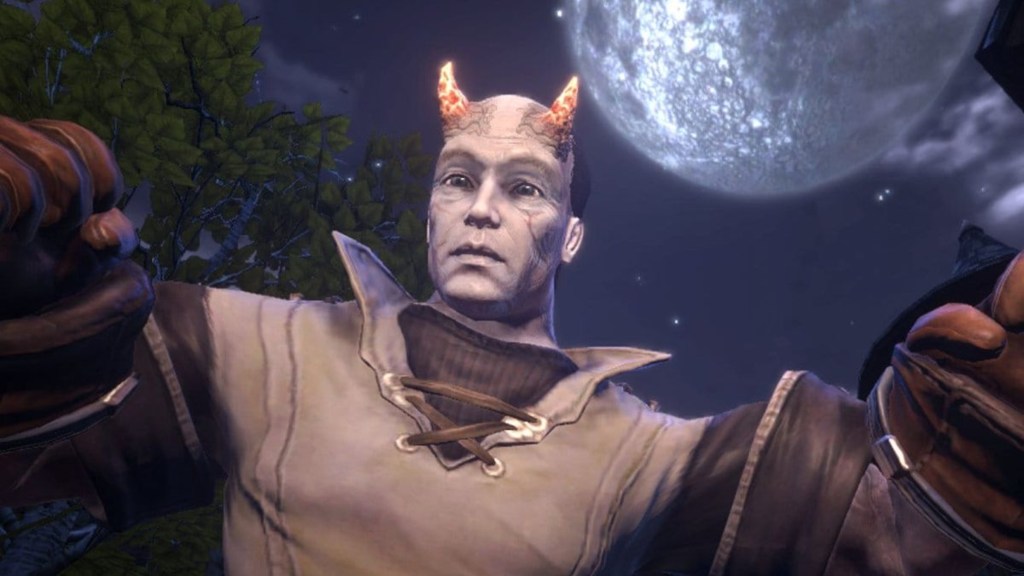
Fable was never the most subtle experience. The first game especially really leaned into the broad approach that fantasy could have, with players given plenty of chances to become a well-regarded saint of a hero or a ruthless, sneaky, and occasionally monstrous villain. Being able to go big in either direction was a big part of the fun, a chance for curious players to craft their own fantastical villain. It wasn’t subtle, but that wasn’t the intention. Befitting the somewhat cartoonish graphics and broad world, taking the main character down such an obvious path might not have been the most nuanced RPG — but that was part of the appeal.
I remember playing through the first Fable multiple times when it launched, mainly because I was fascinated by the idea of exploring those archetypal roles first-hand. Taking a character to such a dark point that people saw them with devil horns was a very entertaining approach to the RPG, eschewing other RPGs that were more focused on feeling grounded. Fable felt bigger than that by design, with characters that leaned more into the black-and-white morality of old fantasy stories instead of more nuanced RPGs. You were literally making your own fable about your character, where their morality was key to the story you were telling.
I love more complex RPGs with stronger narrative throughlines and shades of complications for the characters, but there’s something to be said for Fable‘s more streamlined approach that went big in one way or the other. While other RPGs may be more complex and compelling in their own right, there was something deeply satisfying about leaning so hard into the light or the dark that fit Fable‘s tone and style as a fairy tale you were at the heart of. The horns and the halo were just as crucial to the game’s presentation as anything else, making for a key element to Fable that reflected the visuals, aesthetic, and overall tone. With the new Fable going more for shades of grey, it feels more akin to the general arc of the genre as a whole — which is a shame, because it’s costing Fable one of the things that always made it stand out from other RPGs.
More Gaming
-
Image courtesy of Moon Studios GmbH -
Image courtesy of Bethesda