The first time a first-person shooter clicked, it felt like magic; an undeniable step into the future. The screen became a pair of eyes, the weapon an extension of the hand, and the world ahead a space that demanded reflex and nerve in equal measure. Decades later, the technology surrounding that illusion has transformed beyond recognition, yet the core experience still feels eerily similar to what it was 20 years ago.
Videos by ComicBook.com
FPS games defined a generation and then kept defining it in slightly shinier ways. Graphics evolved from muddy corridors to photorealistic battlefields, and online infrastructure expanded from local matches to global ecosystems. Yet, the fundamental loop remains largely untouched: Move. Aim. Shoot. The question is not whether the genre has improved. It clearly has. The question is why it has not truly leaped forward in the way other genres occasionally dare to attempt.
The Comfort of the Familiar: Why FPS Games Resist Change

First-person shooters are, first and foremost, built on immediacy. The relationship between input and outcome is direct and obvious, a clarity which made early classics so magnetic. When a formula works at such a foundational level, altering it risks breaking the very sensation that players fell in love with in the first place. Comfort becomes a powerful design anchor, and pretty much every game in the genre has stuck to it.
Over time, this comfort hardened into convention. Campaign structures settled into predictable rhythms, multiplayer modes gravitated toward familiar objectives, and progression systems layered on top without disrupting the central act of aiming and firing. Developers refined recoil patterns and enemy AI, but rarely questioned whether the structure surrounding those mechanics could be reimagined entirely. Incremental polish replaced structural reinvention.

There is also a commercial reality at play. FPS titles often require enormous budgets, which encourages risk aversion. When a known structure reliably generates engagement, publishers are less inclined to gamble on radical departures that could alienate a loyal audience. Evolution becomes safer when it happens in micro steps, even if that means the genre as a whole feels locked in a loop.
As a result, the biggest shifts have often come from peripheral systems rather than core interaction. Battle passes, live service models, and hero-based abilities altered how players engage over time, yet the foundational moment-to-moment experience has rarely changed. The crosshair still centers the screen. The objective still revolves around shooting more effectively than the opponent. The revolution many expected never quite arrived.
Innovations That Tried (and Mostly Failed) to Shake the Genre
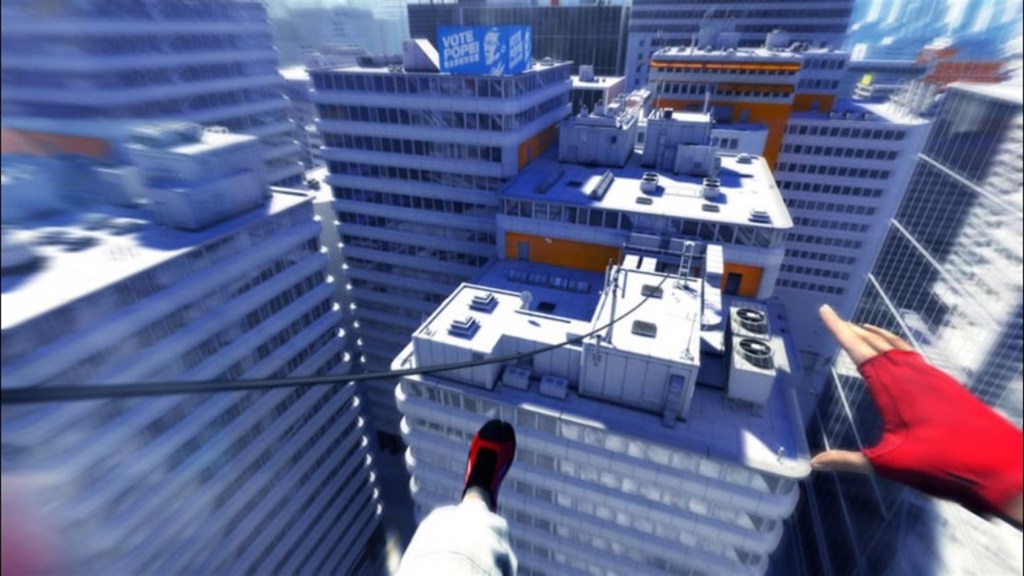
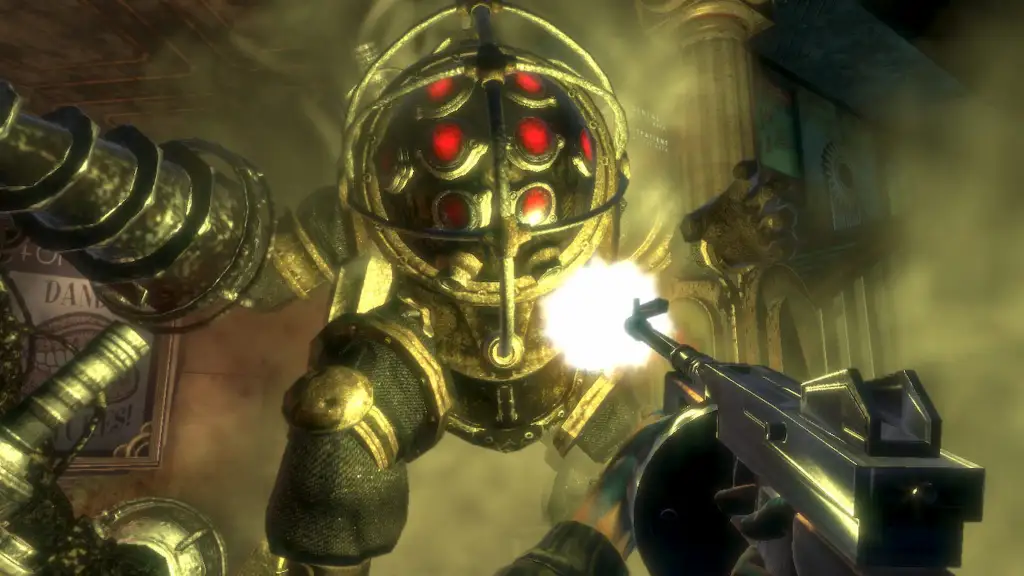
That is not to say innovation never attempted to disrupt the formula. Movement-focused shooters, like Mirror’s Edge, experimented with wall running and advanced traversal systems that redefined pacing for a brief moment. Narrative-driven FPS titles, like BioShock, tried to blur the line between cinematic storytelling and interactive immersion. Hybrid genres introduced RPG mechanics and open world exploration into traditionally linear frameworks.
Some of these ideas resonated temporarily, yet few permanently altered the mainstream blueprint. Movement innovations often proved difficult to balance in competitive spaces. Story-heavy experiments struggled to justify their scale once novelty faded. Even open-world integrations tended to circle back to familiar mission structures built around firefights. The industry has constantly flirted with transformation but rarely committed to it long enough for a new standard to solidify.
Part of the issue is that the fantasy at the heart of FPS design remains interesting. The notion of pulling a trigger in first-person view creates a visceral feedback loop that is hard to replace. When that sensation already delivers reliable excitement, radical change can feel unnecessary to both creators and audiences. The genre satisfies so efficiently that it leaves little obvious room for reinvention.
Yet stagnation often hides beneath satisfaction. Micro evolutions accumulate in visual fidelity and online connectivity, but the next true leap may require rethinking what “shooter” even means. Could the revolution center on deeper systemic worlds that react meaningfully to player choice? Could it involve AI-driven encounters that adapt unpredictably instead of following scripted paths? Could it challenge the dominance of the crosshair entirely? Those possibilities linger on the horizon, waiting for a studio willing to risk discomfort in pursuit of transformation.
FPS games have not stood still, but they have largely moved sideways rather than forward. The foundations laid decades ago remain intact, sturdy and dependable, yet still bound by the same core loop that defined the genre’s rise. The next big change has not yet arrived, and perhaps that is because it will require more than better graphics or larger maps. It will require someone risk-averse to question the sacred simplicity of move, aim, shoot, and imagine what lies beyond it.
What do you think? Leave a comment below and join the conversation now in the ComicBook Forum!
Most Viewed
-

Image via Prime Video -

Courtesy of Lionhead Studios -

Courtesy of Toei Animation