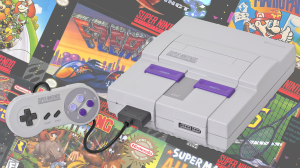
Nintendo has been one of the bedrocks of the gaming industry for decades, with some of its consoles serving as the biggest platforms in history. The NES revitalized gaming culture, while the Game Boy opened the door for the dominance of mobile gaming in the modern age. All of their consoles, even their least impressive ones, have represented efforts to move the medium forward with technological advances — albeit with a keen focus on reflecting the history that came before it.
Videos by ComicBook.com
Twenty-five years ago today, one of their very best platforms launched to much fanfare and success. The Game Boy Advance was more than just an upgrade for Nintendo’s original mobile platform. With a huge technological step and a willingness to experiment with both hardware and gameplay, the GBA served as the ideal home for plenty of ambitious developers at the turn of the 21st century. Looking back at the system and the impact it had on Nintendo, it’s impossible not to say that the GBA is one of the most important consoles the publisher has ever released — or that it had one of the best libraries in gaming history.
Twenty-Five Years Ago, The Game Boy Advance Was A Huge Step Forward For Gaming

The original Game Boy — as well as the subsequent Game Boy Color — was a major advance in the world of mobile gaming. However, with competitors like the Neo Geo and WonderSwan threatening their dominance in that market, Nintendo shifted gears and announced the Game Boy Advance in 1999. The new hardware was designed with a wider screen than the former models, incorporating 32-bit processing power and adding new elements like shoulder buttons and a link capability to the GameCube.
Capable of playing SNES-quality titles, the Game Boy Advance game cartridges were designed with a certain level of hardware capabilities that allowed for unique functions, like rumble features, tilt sensors, and solar batteries — opening up new possibilities for ambitious developers. Especially for the era, the Game Boy Advance was a major step forward for mobile gaming, with Nintendo and other developers releasing a mix of retro re-releases, new takes on classic properties, and toned-down ports of popular franchises. The handheld platform was a massive success for Nintendo after launching in 2001, having sold over 81 million units globally by 2009. This was a strong enough showing to make the Game Boy Advance the 11th best-selling console of all time.
The GBA Still Has One Of Gaming’s Greatest Libraries
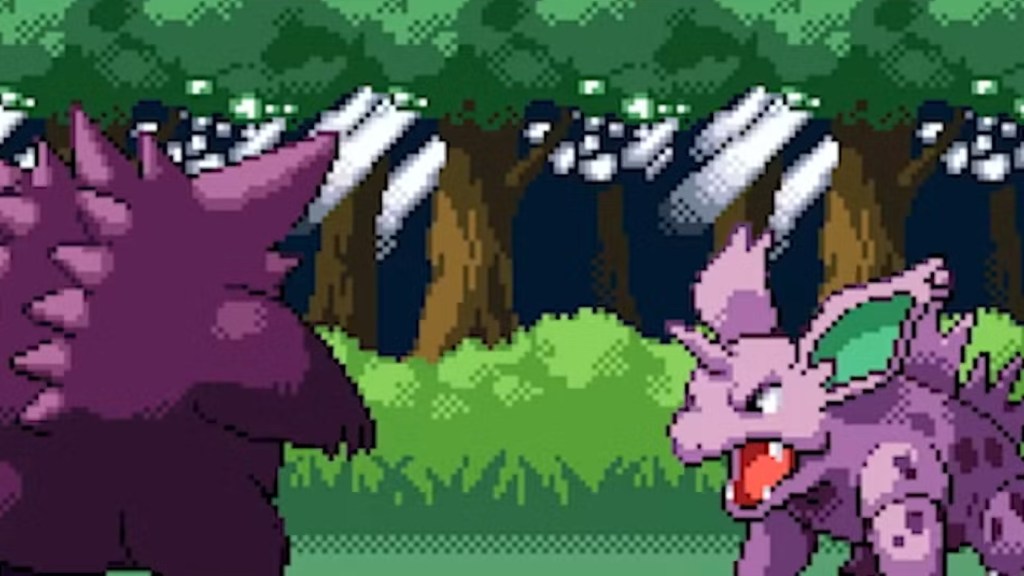
The thing that really set the Game Boy Advance apart from other platforms was a rich game library that quickly delivered on a mix of old and fresh titles. The Pokémon series thrived on the platform, with FireRed, LeafGreen, Ruby, Sapphire, and Emerald all having great success with players. The platform proved a fertile place for classic ports, with plenty of NES and SNES titles eventually brought over to the handheld. The ubiquity of the platform gave Nintendo the confidence to finally bring some of its previously Japan-only titles to new markets, laying the groundwork for the likes of Fire Emblem and Advance Wars to become more global successes.
New takes on older characters used the GBA design to its benefit, whether that be the blend of RPG and platforming action that is Mario & Luigi: Superstar Saga, the underlying horror tone of Metroid Fusion, or the whimsical touches that helped The Legend of Zelda: The Minish Cap stand out from the rest of the franchise. Other publishers and developers found great success bringing their games to the console. Rare and Square’s ports of older Donkey Kong and Final Fantasy games to the platform were a success, while Sega and Konami released new hit versions of Sonic the Hedgehog and Castlevania to the mobile platform. Experimental takes on older franchises like Pokémon Mystery Dungeon: Red Rescue Team, Mario vs. Donkey Kong, and Kingdom Hearts: Chain of Memories served as fresh chances to play with established formulas.
An underlying focus on paying tribute to previous generations led to initiatives like the Classic NES Series, which re-released some of Nintendo’s earliest hits for a new generation. Meanwhile, bold new games like WarioWare, Inc.: Mega Microgames!, Mega Man Battle Network, and Golden Sun used the flexible nature of the GBA cartridge design to deliver genuinely unique experiences. Pound for pound, the GBA has one of the best libraries of any console ever released, all of which benefited from a well-designed and mobile platform.
We Don’t Get To The Nintendo Switch Without The GBA
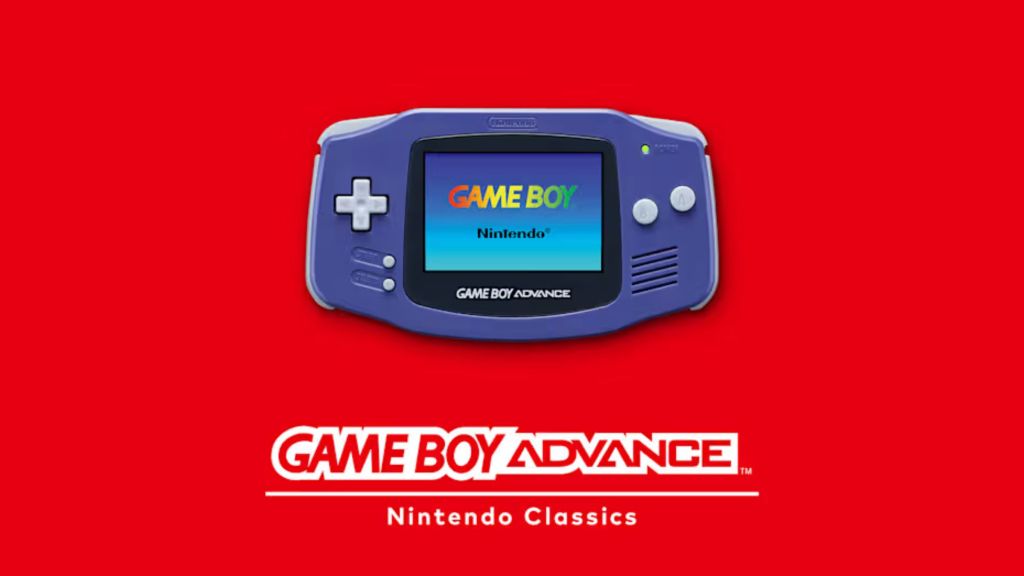
Compared to modern consoles like the Nintendo Switch, the GBA doesn’t quite look as impressive. However, it’s hard not to see the Switch as a direct descendant of the GBA in terms of accessibility and intention. The focus on bringing players a wide range of games benefited countless developers, who were able to help curate a massive library of titles for the platform. This is a spirit that is reflected in the vibrant indie space that exists for the Nintendo Switch and Switch 2. The success of the portable 32-bit platform, especially in an era where 3D graphics were increasingly seen as a benchmark for success, highlighted how games could still be major successes without all the surface-level bells and whistles that otherwise defined the era.
Likewise, the Switch and Switch 2 may not have the same graphic potential as the PlayStation 5 or Xbox Series X/S, but great creatives are able to still deliver beautiful games that fit into the system. It also highlighted the joy that gamers had in playing games on the move. While the first Game Boy and other handheld platforms opened that door, the GBA underscored just how much time and focus players were willing to put into the deceptively long RPGs and adventure titles released on the platform.
This is an approach that would pay off with the Switch, which was able to fuse a true console experience with the easy portability of the GBA. There’s also the GBA’s focus on both experimental games and tributes to older titles, a blend that lives on in the Switch’s various fresh takes on older franchises alongside the Nintendo Classics library of games — which now includes many of the GBA’s best games. The GBA is one of the best steps forward Nintendo has ever taken, advancing the Game Boy into the 21st century while laying the groundwork for the heights that would follow with the DS and Switch.
Most Viewed
-
Image Courtesy of Prime Video & Dark Horse Comics -

Image Courtesy of MAPPA