You’ve just spent twenty minutes scavenging Stella Montis in ARC Raiders. Your backpack is stuffed with goodies. Blueprints, weapons, the works. Your extraction point is within reach. You’re practically counting the loot already, imagining all the lovely things you’ll craft with your haul. Then you hear footsteps. Another Raider. Where? Nearby. Suddenly, your brain starts screaming at you to move. Get out of there! Every last scrap in that backpack feels precious, every second feels dangerous. What are they armed with? Are they hostile? Congratulations! Your relaxing loot run has become a full-blown crisis.
Videos by ComicBook.com
And you love it. Well, maybe not the part where somebody blows your head off and steals all your loot. But that gut-punch of uncertainty is what fuels that own make-believe-but-totally-possible interaction. ARC Raiders understand that anxiety is a powerful tool, and understands that a game doesn’t always need to make you feel unstoppable to get your blood pumping. Sometimes, the magic comes from being woefully unprepared and one terrible decision away from total disaster. The same principle fuels the kingdom-shaking decisions of Pathfinder: Kingmaker and the apocalyptic countdown of The Legend of Zelda: Majora’s Mask. Different games, different genres, different disasters, same delicious feeling: you have something to lose, and suddenly, everything you’d normally take for grant, matters.
Games Like ARC Raiders Make Every Decision Feel Like a Gamble
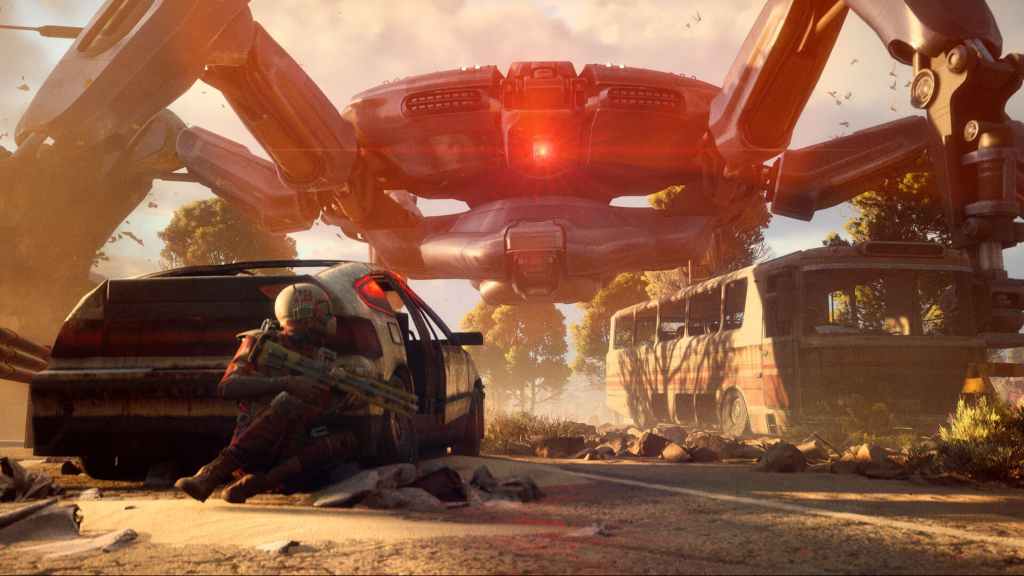
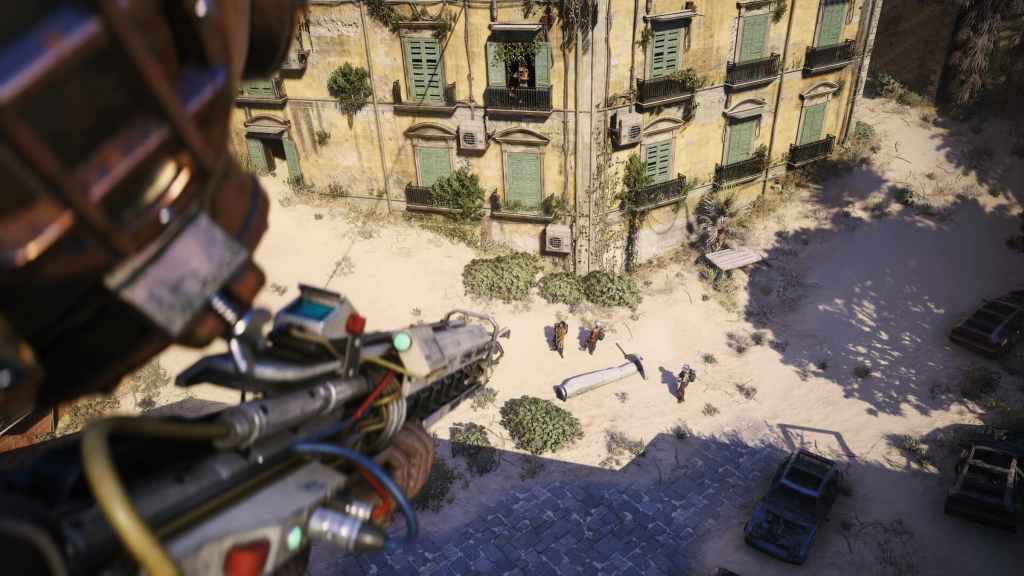
What makes ARC Raiders, in particular, so effective is that the danger doesn’t announce itself before arriving. It is totally organic, not any kind of pre-scripted event, and available whether you’re dealing either of the game’s PvP or PvE aspects. You can be having the most uneventful scavenging trip of your life when a hostile Raider decides your afternoon needs a little violence. Maybe an ARC machine catches you in the open. Maybe you hear distant gunfire and start debating whether to investigate or mind your own business for once. Whatever happens, your backpack transforms from a convenient inventory into a giant neon sign reading, “PLEASE DON’T TAKE MY STUFF”. You’re fighting to keep everything you’ve worked for, and that puts a special kind of pressure on your every action.
That changes the value of even the most ordinary junk. A handful of crafting materials isn’t exactly the stuff of heroic ballads, but when losing them means another trip into the Rust Belt, those rusty odds and ends might as well be priceless treasure. Do you risk one more detour? Do you push your luck because there’s just enough room for one more item? Every choice becomes a tiny argument between greed and self-preservation. And greed, as it turns out, is very good at talking people into doing incredibly stupid things. That’s what makes the eventual escape so satisfying. You SURVIVED long enough to keep your loot. You did something right, even if the voice of greed took more often than not.
You don’t need an armed Raider breathing down your neck to experience that kind of pressure, either. In Pathfinder: Kingmaker, for example, your kingdom won’t stop falling apart just because you’d rather go adventuring. Every day brings the possibility of another problem, and neglecting one responsibility can turn a manageable headache into a full-blown catastrophe. Act I, in particular, is infamous for its anxiety-inducing timer, counting down everytime you make a significant action. Meanwhile, classics like The Legend of Zelda: Majora’s Mask gives you an entire world to explore while a giant, horrifying moon hangs overhead like the universe’s most aggressive deadline. Sure you have a magic instrumental that lets you reverse time, but you can’t do everything in one day, or at once, and you can’t ignore the clock forever. These games force you to make difficult choices with limited time and resources, turning ordinary decisions into moments worth remembering.

The Best Games Know That Anxiety Makes Victory Sweeter
Think about the gaming moments you still remember years later. Chances are, at least a few involved you desperately improvising your way out of a situation that had gone completely sideways. Those victories hit differently because you weren’t simply going through the motions. You were sweating and genuinely unsure you’d pull it off. While stress in notoriously not a good thing, in a video game, where there’s generally no risks, having some in place dramatically changes how you play. When permadeath is a thing, suddenly, taking that totally unnecessary risk, really ain’t worth it anymore.
Now, there’s a big difference between making players nervous and making them miserable. If a game constantly punishes you for things outside your control, anxiety-induced tension stops being exciting and starts feeling like a personal vendetta. Good pressure gives you a fighting chance. ARC Raiders lets you decide when to fight and when to flee. Majora’s Mask gives you ways to manage its relentless clock. Pathfinder: Kingmaker challenges you to prioritize your responsibilities. You might not have a perfect solution, but you have options, and those options make the outcome feel connected to your choices. The goal isn’t to torment players until they throw their controllers into the nearest volcano. It’s to give them a reason to care about what happens next.
That’s why I want more games to embrace uncertainty instead of constantly chasing the next power fantasy. Let me sweat over a backpack full of scrap. Give me a reason to hesitate before opening that door or picking that fight. When a game makes failure feel real, victory becomes more than another animation and a handful of rewards. It becomes a story I actually want to tell. Doing the opposite, making every victory feel assured, get boring fast. Most players want to earn their medals, not be given them just for participating. Sometimes, the best way to make players feel like absolute legends is to make them work for the win.
More Gaming
-
Courtesy of Bandai Namco