Valve has one of the most impressive reputations in gaming history, with hits like Portal, Team Fortress 2, and Half-Life cementing their place in the cultural lexicon. That doesn’t mean they’re perfect, though. There have been plenty of times over the years where Valve’s ambitions outstretched their reach, with plenty of canceled games, discontinued hardware, and frustrated players left in the wake.
Videos by ComicBook.com
One of the most frustrating, especially as a fan, happened twenty years ago. After the monumental success of Half-Life 2 in 2004, the company quickly went to work on a follow-up. While Half-Life 3 still hasn’t been formally announced at the time of this writing — although that may change soon — fans got some excitement when it was announced that a three-part episodic release would carry the story forward. Unfortunately, due to Valve’s evolution, the trilogy was never completed –- leaving generations of fans grasping at straws over the fate of the series.
Twenty Years Ago, Valve Experimented With Episodic Releases
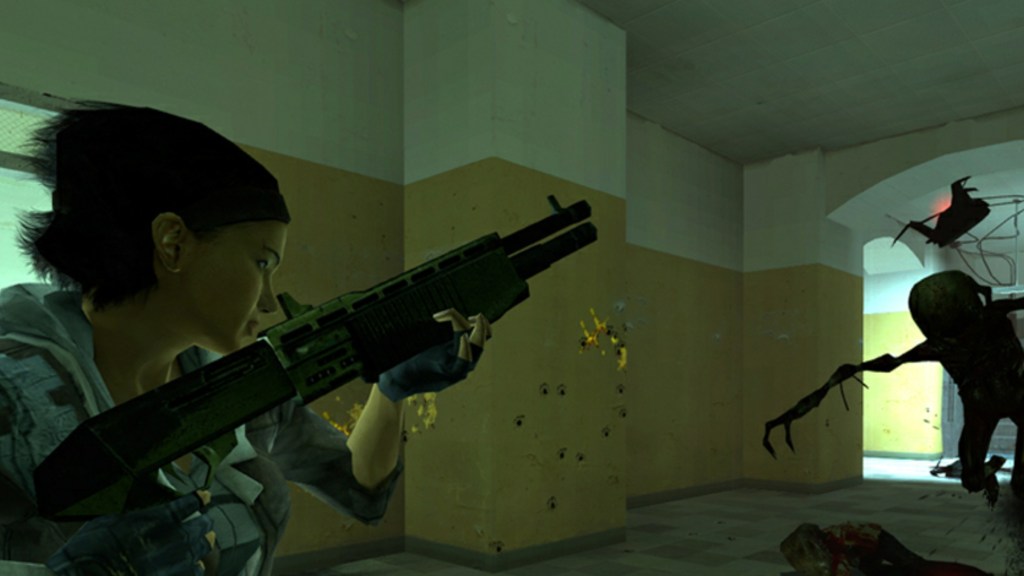
Debuting June 1, 2006, on PC before being brought to Xbox 360 and PlayStation 3 as part of The Orange Box compilation, Half-Life 2: Episode One ended up setting up one of the most frustrating things Valve has ever done. Half-Life 2 ended on a fairly big cliffhanger, with the game concluding on Gordon Freeman being recaptured by the G-Man after thwarting Wallace Breen’s plans to make a deal with the Combine. Fans were given a slight reprieve from the cliffhanger with the announcement of Half-Life 2: Episode 1, which picked up right where the last game left off. The idea was that, following the lengthy development cycle of Half-Life 2, Valve wanted to be able to have a more consistent output for future entries in the story.
The episodic expansion focused on Gordon, quickly breaking free from the G-Man, working alongside Alyx Vance to continue the fight against the Combine. Designed as a three-part story that could not only be released episodically but also bridge the gap between Half-Life 2 and the inevitable Half-Life 3, the overall concept was initially met with excitement by fans. Due to the shorter development cycle and length of the content, Episode 1 came out only two years after Half-Life 2 and was subsequently followed by Episode 2 the following year. It kept the action and tension up, reflecting the strong game design and worldbuilding that defined the prior entries in the series. While it was an exciting development at the time, it also quickly backfired on players.
18 Years Later, We’re Still Waiting On Half-Life 2 Episode 3
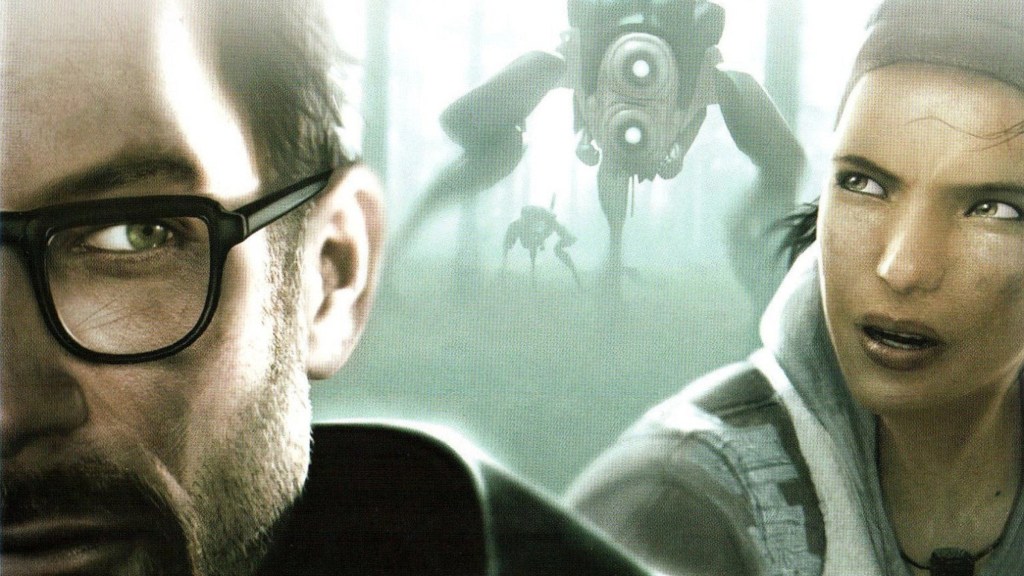
Half-Life Episode 3 was originally planned for a 2007 release, just a matter of months after Episode 2. Expectations were high for the follow-up, especially because Chapter 2 ended on a massive hangover. Development had begun in 2097, with plans for a derelict ship lost across space and time, as well as new enemies and weapons. However, in 2007, Valve decided to step away from the episodic approach entirely, shifting towards more multiplayer-focused games like Left 4 Dead and Dota 2. This disrupted the development of the third chapter, with the title eventually being outright canceled. Since then, fans have been left lingering on that cliffhanger – a particularly brutal one, too, as it kills off a major character very abruptly – and frustrated by the lack of movement on the series.
While Half-Life: Alyx did eventually return to the series in 2020, that was largely a prequel to Half-Life 2 that ended on a different and even wilder cliffhanger that hasn’t been addressed since. In theory, the episodic approach was a clever way to keep development more in pace with a faster release schedule, but this just meant that fans never got the complete experience of the Half-Life 2 follow-up. Several other attempts to revive the series in another form fell apart as well. Twenty years ago, the idea of episodic gaming from Valve was exciting. Titles like Portal or Left 4 Dead could get fresh story beats, missions, or campaigns. Half-Life could continue the story of Gordon Freeman and Alyx Vance at a faster rate, maintaining the momentum of the franchise’s renewed success in this period.
Instead, Valve’s episode approach ended up creating one of the company’s most infamous unreleased games – and highlighted the problem with releasing titles when they’re incomplete that developers of live-service games are relearning all the time. Even in the modern day, there are plenty of games that haven’t learned the lesson of the episodic approach to Half-Life 2‘s follow-up, which seems to be unaware of how this will impact the legacy of their games if they end up going down before they can be finished. Twenty years later, Valve’s most frustrating decision should stand out as the proof for the rest of the industry why relying on this style of development and release — especially if the full game isn’t actually finished when it begins — can be so worrisome for fans.
More Gaming
-
Image Courtesy of Dreamworks -
Image Courtesy of Electronic Arts -

Image Courtesy of Electronic Arts