There are moments in gaming when a single release reshapes the entire landscape, when one idea lands with such absolute clarity and magic that the rest of the industry spends years trying to recreate the feeling it produced. Yet sometimes the more surprising outcome is not how long others chase that blueprint, but how long the original creator remains bound to it as well.
Videos by ComicBook.com
That shadow hangs heavily over the Halo franchise now, as it is simply a series that has not moved much from its inception. When Halo: Combat Evolved arrived in 2001, it was an incredibly successful shooter, redefining what the genre could be on a home console. Not only that, but it showcased what console shooters could be for an entire generation. Its pacing and its open-arena philosophy established a standard that developers across the industry studied closely. The strange reality today is that Halo itself still feels tethered to those same ideas, as though the franchise never quite escaped the gravity of the moment that first made it legendary.
Halo’s Formula Has Barely Evolved Since Combat Evolved
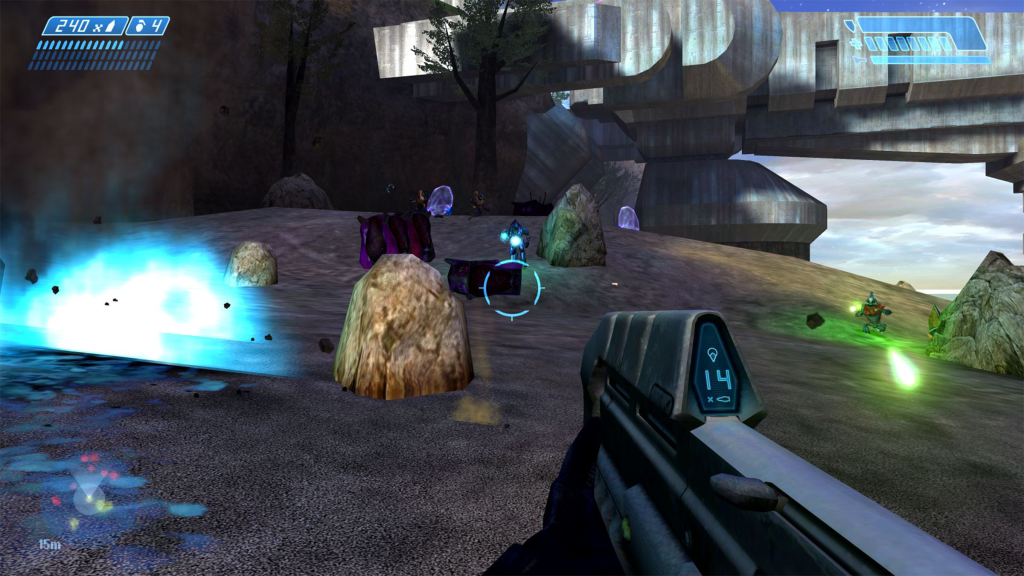
When Combat Evolved was first released, its design felt deliberate in a way that separated it from the shooters around it. Encounters unfolded in wide combat spaces that encouraged movement and improvisation rather than corridor clearing, while enemy types forced you to think constantly about positioning and weapon choice instead of simply pulling the trigger as fast as possible. Those systems were brilliant for their time, yet Halo has spent much of the past two decades carefully preserving them instead of meaningfully transforming them.
Modern entries still revolve around the same shield-based combat loop, where engagements begin with careful positioning, escalate through weapon swapping, and conclude with a familiar rhythm of circling enemies inside contained arenas that feel remarkably similar to what existed in 2001. Other shooters spent those same years experimenting in ways that dramatically shifted how their worlds behaved. Movement systems expanded in unexpected directions, environmental interaction reshaped combat scenarios, and large systemic mechanics began influencing how matches unfolded. Halo rarely followed those paths. Instead, it continued refining a formula that once felt revolutionary but now often feels preserved in place.
Halo once pushed console shooters forward, but has not meaningfully evolved in meaningfully notable ways. Newer games continue the same ebb in flow rather than focusing on newer aspects, and that preservation increasingly reads as hesitation. Halo does not feel broken, but it does feel outdated in a mechanical sense. It frequently feels like a series protecting a legacy rather than building on it, as though every new installment is still trying to recreate the magic of the original moment rather than risk becoming something entirely new.
Why Halo Infinite Proved Nostalgia Isn’t Enough Anymore
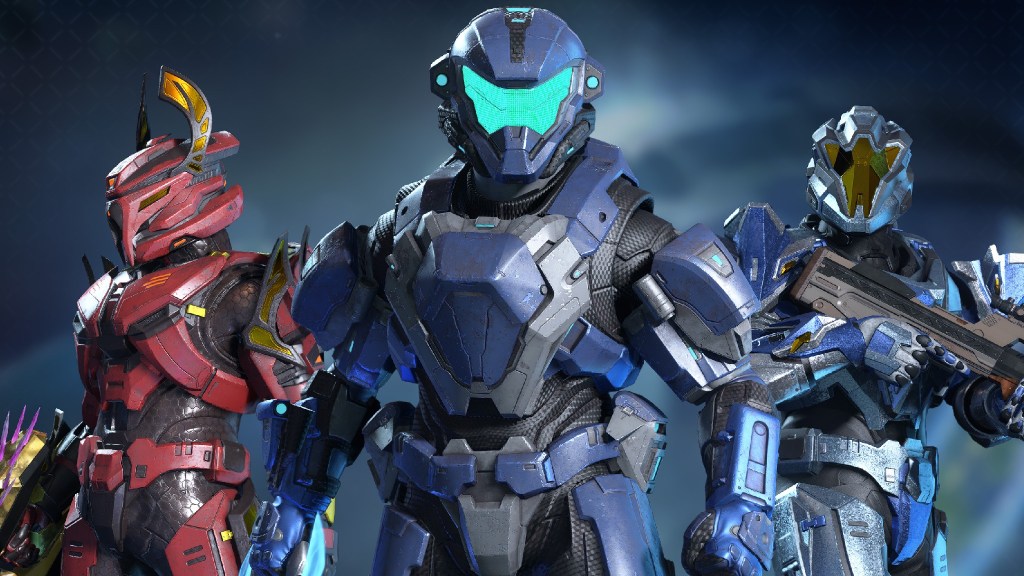
When Halo Infinite was first revealed, it appeared to signal a long-overdue shift in direction. The introduction of an open world suggested a willingness to rethink how Halo’s combat spaces could function, while the addition of a grappling hook hinted at a more fluid style of movement that might finally reshape the series’ long-standing encounter design.
What ultimately arrived felt far more restrained than those early impressions suggested. The open world expanded the scale of the environment, yet much of the moment-to-moment gameplay continued to rely on familiar structures, where outposts repeated predictable combat encounters and exploration rarely produced the kind of emergent scenarios that open worlds thrive on.

The grappling hook, while undeniably fun to use, quickly became the most memorable addition to the entire experience, which unintentionally highlighted how little else had truly changed. The franchise’s spin off title titles, like Halo Wars and ODST offered far more interesting additions that changed fundamental gameplay in positive ways. The core Halo series needs to do something similar. When a single mobility tool stands as the defining innovation of a franchise that once revolutionized an entire genre, the scale of that evolution begins to feel surprisingly small.
Halo’s legacy still carries enormous cultural weight, and its identity remains instantly recognizable no matter what form of media it takes on. But recognition alone cannot sustain a franchise forever. If the franchise is to thrive once again, then the formula needs a significant shake-up without losing its core identity. The truth is, Halo once set the direction that the rest of the shooter genre followed, but in 2026, it increasingly feels like the series is still searching for the courage to leave 2001 behind.
Most Viewed
-

Image courtesy of Paramount -

TMS Entertainment -

Image Courtesy of Lionsgate -

Image Courtesy of Disney