Metroidvanias have been getting some great titles in recent years, such as the highly anticipated Hollow Knight: Silksong or the upcoming Castlevania: Belmont’s Curse. These games are visually impressive, but their platforming and combat are very strict to the genre they’re in. One Metroidvania in particular is breaking the mold, introducing elements that bear similarities to action RPGs like Dark Souls, with some changes players might not expect.
Videos by ComicBook.com
Stylish combat is one aspect of a Metroidvania’s gameplay that can make it incredibly appealing, with games like Hollow Knight excelling at this. The best Metroidvania series of all time tend to blend exploration with intense fights, incentivizing players to investigate large worlds for new challenges or interesting points of progression. If the world looks great and combat is fluid, a Metroidvania will inevitably grow a big audience of dedicated players.
Solateria Mixes Hand-Drawn Metroidvania World Building With Parry Driven Soulslike Combat
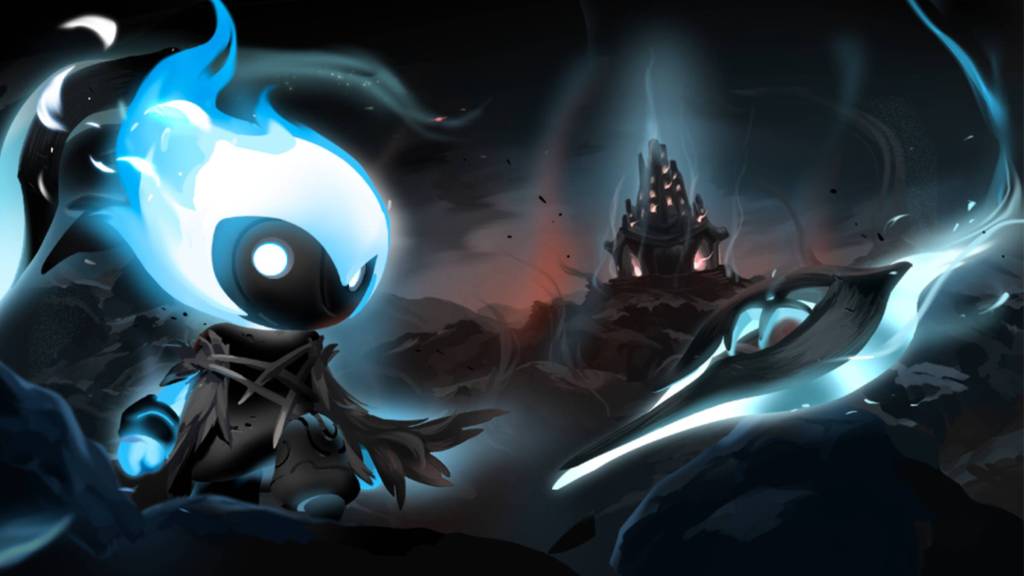
Solateria is an action-driven game with all the hallmarks of a truly special Metroidvania, with a gorgeous world hand-crafted through beautiful art that takes players to a haunting fantasy landscape. In the land of Solateria, you will have to navigate the realm after it is afflicted with a deadly Shadow Plague, which is slowly corrupting everything. As a small fire warrior, you wake up with no memories, with a solitary voice pushing you forward to find the vanished King and save the world.
Many different bosses, enemies, and characters within Solateria craft a game with numerous quests to explore. Art the same time, the expansive world is completely interactive, with information coming from investigating the small corners of different areas you discover. Much like Hollow Knight: Silksong‘s approach to story telling, much of what you learn comes from who you interact with, either by collecting fragments of your own character’s memory or conversing with the many NPCs that occupy different locations.
The map of Solateria is huge, with plenty of secrets to uncover and mark as you travel between unique places. The meticulously crafted world is present to many different biomes, which you can freely explore in any order you wish. Unlike other Metroidvanias, Solateria doesn’t restrict players to areas based on what abilities they have unlocked. Although there will be certain obstacles that encourage you to come back to certain areas later, much of the exploration of this game comes from what interests you the most.
Complex & Stylish Combat Comes With Various Difficulty Modes For A Customized Playthrough
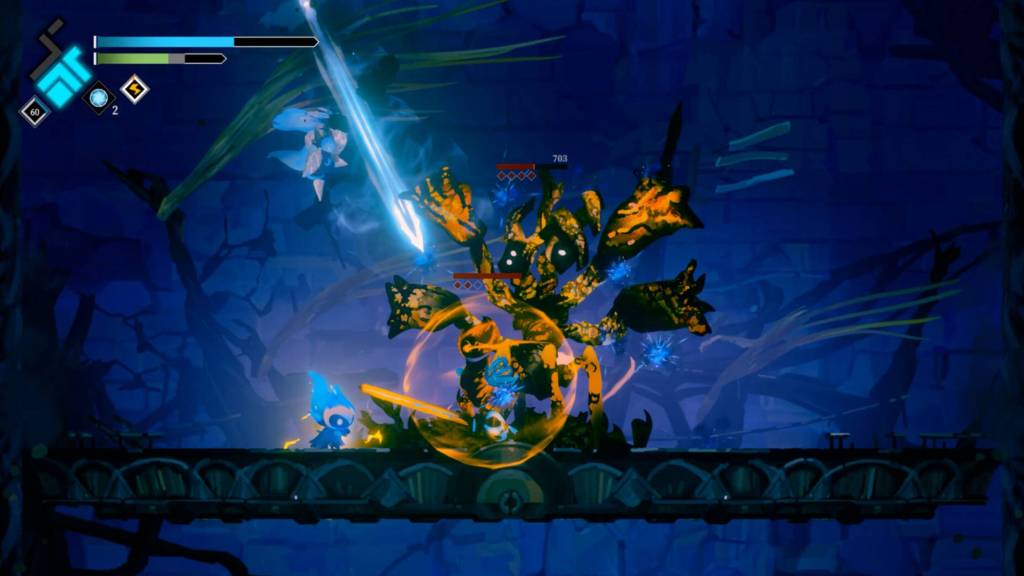
The biggest highlight of Solateria, however, is the game’s robust combat. This Metroidvania is not just a series of jumps and attacks, but rather a complex back-and-forth between your character and enemies you encounter. You have access to a parry to deflect hostile attacks, demanding you learn a foe’s attack timing and patterns to truly defeat it. Many enemies have high health bars, multiple techniques, and other skills that make them tough to beat as your journey continues.
Similar to the intricate nature of Soulslike combat, Solateria‘s fights are defined by how you fail and return to enemies to learn how they work. The satisfaction for beating a particularly tough enemy is great, especially as you unlock new skills and abilities throughout your adventure. Core Stones allow you to equip Parts to shape your own combat style, creating a personalized build best suited for taking on varying enemies. Other systems, like Heat Cores, also give you extra power when you collect rare items to unlock them.
The Dark Souls comparisons to this game only grow when you dive deeper into its features. For example, you have a stamina bar that gets drained whenever you block, dash, or try to parry different attacks. Build variation and resource management come together to turn this Metroidvania into an action RPG at times, changing Solateria into a game with a lot of moving parts. Every fight is a problem to solve, without a clear answer based on whatever combat style you’ve crafted during your playthrough.
The Massively Interconnected Map Structure Of Solateria Mimics Many Iconic Titles
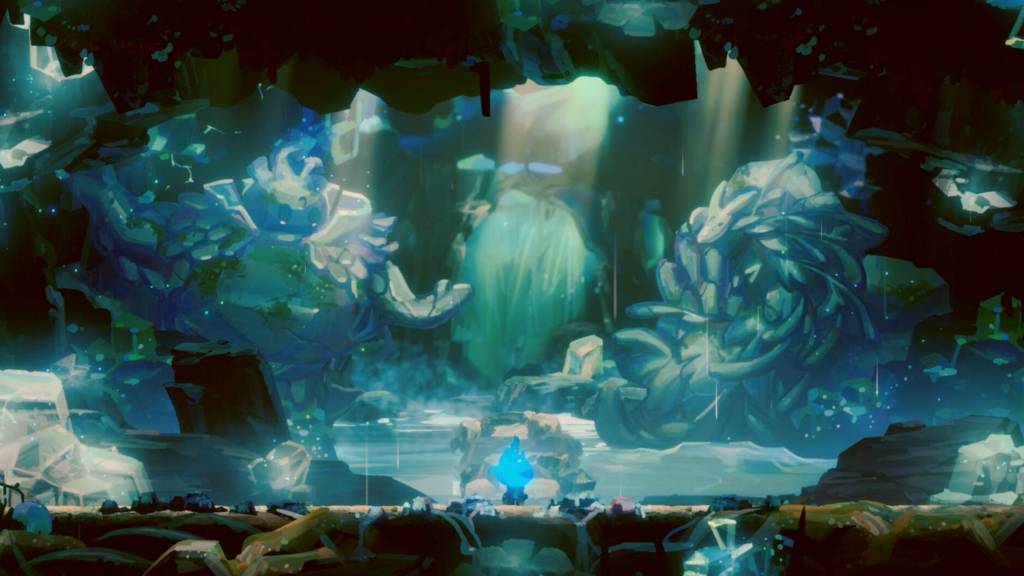
As you would expect from a Metroidvania, areas and biomes in Solateria bleed seamlessly into one another, but there are small features that make this game’s level design stand out. Areas you can’t access are marked on your map automatically, making them easy to return to later. At the same time, you are able to spend in-game currency earned from beating enemies to point out the location of various items in the world, scratching the itch of any collectible tracking gremlin like myself in these types of games.
The difficulty of Solateria is also far more approachable than other games in its genre, including Hollow Knight: Silksong or Dark Souls. The combat of this title is heavily adjustable through your character build, with different modifiers making the combat easier. For example, you have an option to equip a skill that extends the parry window while fighting, making it far easier to execute. This allows new players to the genre to have a better time overcoming certain challenges, while veterans have the choice to not simplify their game whatsoever.
With parts of the map weaving together like the original Dark Souls too, this game reflects a lot of other titles in its genre while still putting its own spin on multiple systems. That reason alone should be enough for Metroidvania fans to give Solateria a try, at least for the stunning artwork and stylish gameplay that already shows how the genre can evolve this year.
Are you going to give Solateria a try in 2026? Leave a comment below or join the conversation in the ComicBook Forum!
More Gaming
-

Pokemon Happy Meal