When it comes to video games, few companies have the legacy and reputation that Nintendo has. For decades, it’s been the master of fun, charm, and imaginative worlds that seem to transcend logic, and for the most part, fans just go along for the ride. But every so often, even Nintendo takes a creative turn so wild that it leaves players scratching their heads. One particular moment in the late 1980s perfectly shows this blend of brilliance and bewilderment. This game pulled the rug out from under its players at the very end, and even to this day, I still wonder why Nintendo made this choice.
Videos by ComicBook.com
Back in 1988, Nintendo released Super Mario Bros. 2 in North America (known as Super Mario USA in Japan). It was a bright, colorful sequel that looked and felt wildly different from the first Super Mario Bros. The changes it made were fresh, strange, and wonderfully imaginative, but all of this changed when I reached the ridiculous ending.
A Bold Experiment Disguised as a Sequel
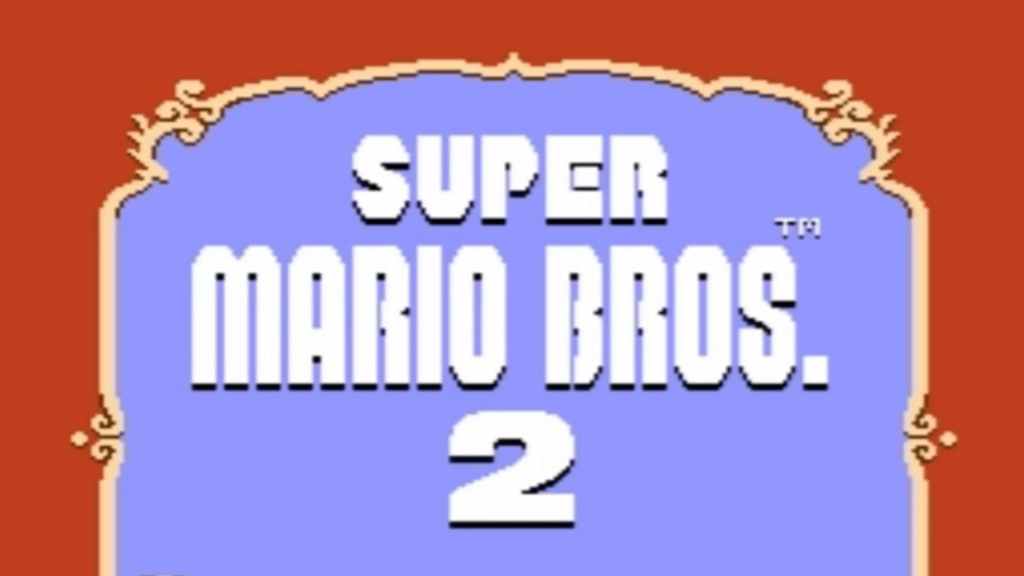
The story behind Super Mario Bros. 2 is both fascinating and odd. After the massive success of the first Mario game, Nintendo needed a follow-up to keep the momentum going. A true sequel was produced in Japan, but Super Mario Bros. The Lost Levels was deemed too difficult and similar to the first game for American audiences. So, Nintendo of America did something radical: take an entirely different game and swap in Mario characters. And this is how Yume Kojo: Doki Doki Panic became Super Mario Bros. 2 in the West.

The “sequel” that millions of kids grew up playing wasn’t originally a Mario game at all. It was a re-skinned version of a Japanese title about a family trapped in a dream world. Characters, enemies, music, and names were all changed to fit a true Mario sequel. Despite all its odds, it worked: the game sold millions, introduced new fan-favorite characters like Birdo and Shy Guy, while also proving the Mario universe was flexible enough to accommodate different types of gameplay.
Still, at the time, players were confused. Even with its success, the world felt so different from the first game. Nothing felt like the Mushroom Kingdom; enemies behaved differently, and the world was wrapped in some mysterious, dreamlike quality. These questions haunted players, that is, until they reached the ending, which I still cannot believe Nintendo went with.
The Ending That Made Everyone Go “Wait, What?”
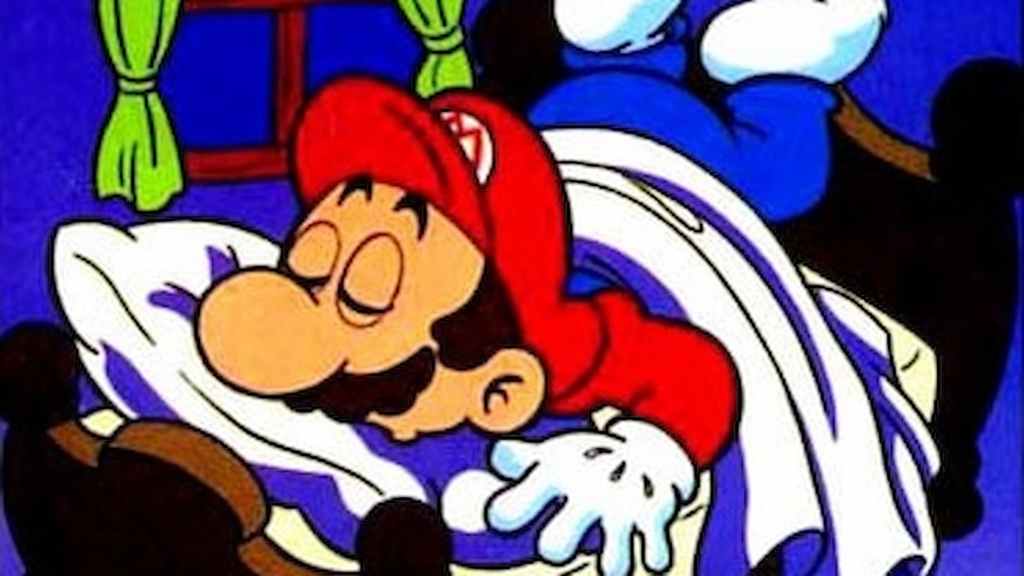
After battling through seven worlds of sand, ladders, and floating masks, I finally came face-to-face with Wart, the evil frog-like ruler of Subcon. Defeating him felt like a huge triumph, and then Nintendo woke me and Mario up from the dream. The final cutscene rolled, showing Mario peacefully sleeping in bed, smiling. That is when it hit me. Everything I had just done had been a dream in Mario’s sleep.
Every bizarre vegetable toss, every shy-looking masked creature, every moment of adventure in Subcon? None of it actually happened. Mario had dreamed the whole thing up. It didn’t take away from the fun I had playing Super Mario Bros. 2, but it was such a weird twist, and not one that I expected from Nintendo. I remember being in disbelief that such a good game would end on a silly note like that.
And yet, somehow, Nintendo got away with it. The game received stellar reviews, and fans talked about it with enthusiasm. “It was all a dream” is one of the worst tropes, not just in gaming, but in most media. But Nintendo managed to make it work in what would become its flagship series. But this has to do with Nintendo’s whimsical nature, but still, I couldn’t believe it settled on this nonsensical ending.
Nintendo’s Strange Genius for Left-Field Storytelling
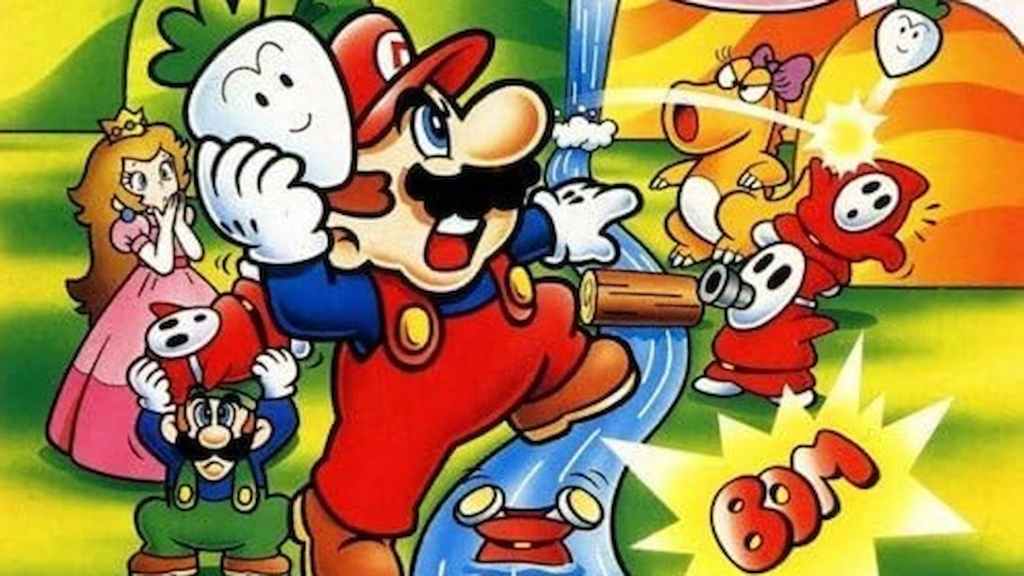
Looking back, Nintendo hinted at this ending. The very words “Welcome to Subcon, the land of dreams” should have been a dead giveaway. But as a kid, this went right over my head. And this is kind of in nature with Nintendo games to go with a story out of left field like that. One generation is sending players to rescue Princess Peach from Bowser or playing as the Princess herself. The next is asking them to save a dream world from a frog tyrant that may or may not exist. Even decades later, this whimsical disregard for logic is a core part of Nintendo’s DNA.
The Legend of Zelda: Link’s Awakening would pull this same trick a few years later, revealing another beloved game to be a dream. The Kirby series takes place almost entirely in Dreamland. Does everything happen in the series as a dream? It has entire plots that turn cosmic and metaphysical without warning, despite the cute and cozy aesthetic. Modern titles sometimes feel like fever dreams as well, or have strange twists like The Legend of Zelda: Echoes of Wisdom.
Super Mario Bros. 2 stands out because it was one of the first times Nintendo so blatantly rewrote its own story. It told fans, “None of this matters,” and to this day, I still can’t believe it happened. Despite this ending, the game has endured. The twist may be stupid, at least to me, but the gameplay was every bit as good as Nintendo has been and still is today.
What do you think? Leave a comment below and join the conversation now in the ComicBook Forum!
Most Viewed
-
Image Courtesy of Toei Animation -
Image Courtesy of Ufotable