The reveal trailer for 1666: Amsterdam shows a witchcraft-inspired narrative, which is exemplified in its demo prologue that the action-adventure game shadow dropped. Yet, this demo has drawn plenty of criticisms, especially when it comes to its core narrative. While there are plenty of mixed opinions about the direction of the game right now, one thing many players agree on is that the title is ambitious, and that is still has a lot to prove.
Videos by ComicBook.com
So far, innovative action-adventure mechanics have not been shown too much within 1666: Amsterdam, but its systems do reflect a variety of other strong titles. Not much gameplay is shown in the prologue segments currently available, making it hard to gauge how players will engage with the blood magic and witch-themed rituals seen in both the demo and reveal trailer. It remains to be seen whether this game is more story-driven like Hellblade: Senua’s Sacrifice, or something with a variety of complex features.
1666: Amsterdam Introduces Many Bold Story Elements Through Its Limited Demo
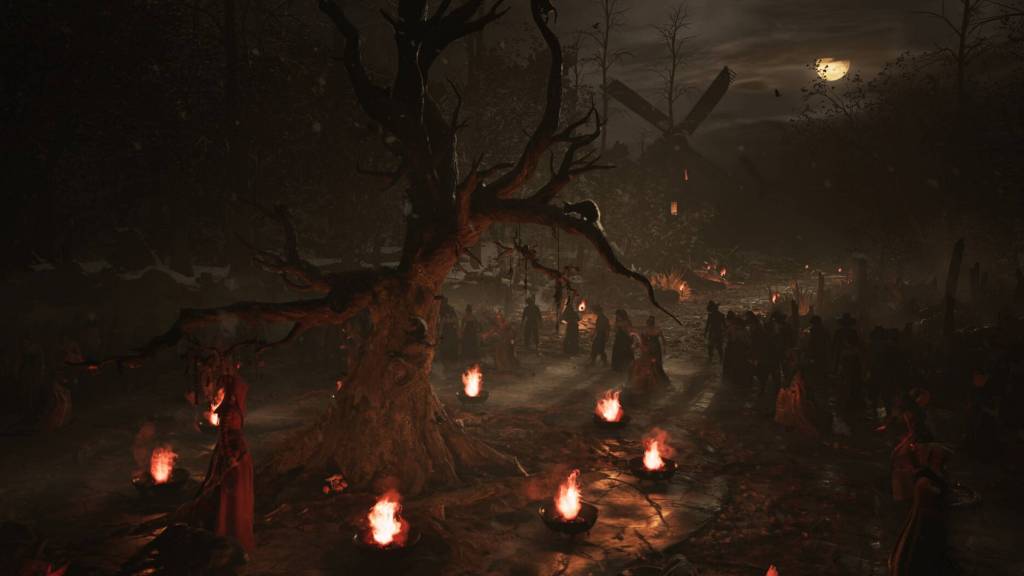
The story of 1666: Amsterdam‘s prologue is certainly ambitious, featuring a number of timeline shifts that its reveal trailer didn’t hint at. The game begins where players might expect, in the year 1666, where the character Noa is approaching a large ritual similar to tales of witchcraft throughout media. Noa seems to have some sort of supernatural powers, and is referred to as a “Collector” as players use her powers to continue the ritual in a number of dark ways.
After sacrificing an animal and controlling blood and fire, the demo jumps to the present “modern” day, where players now play as a young female student at a university. This character is never named, but seems to be linked to Noa through ancestry and a strange letter connecting her to a checkered family past. As players collect objects in the university’s library, that connection is confirmed and the timeline jumps again. The third “act” of this prologue takes place in 1999, in an era of Amsterdam around the holidays.
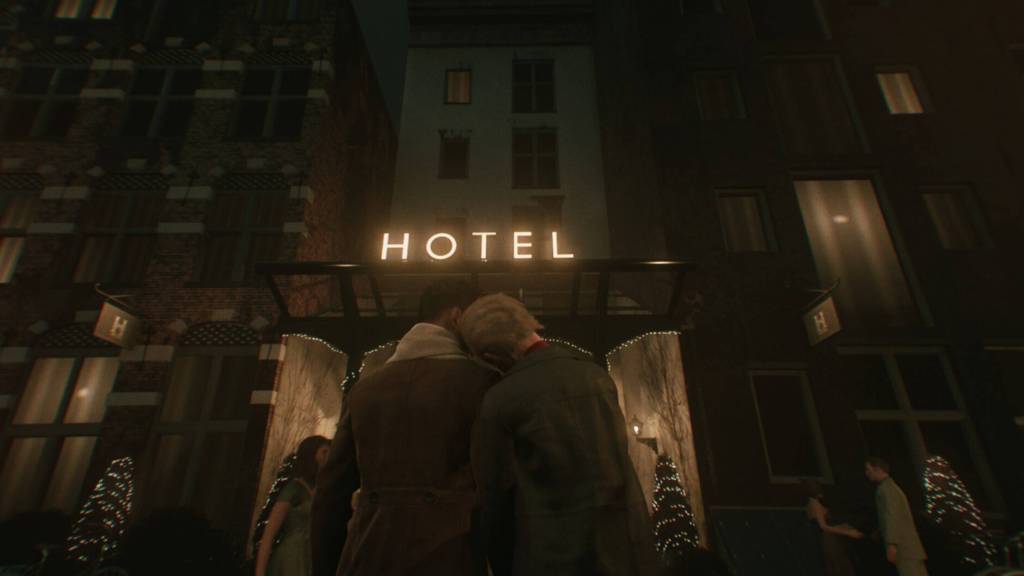
On the night of Millennium Eve, aka New Year’s Eve, two young lovebirds travel across Amsterdam before finding intimate privacy with each other. At this point of the prologue, players learn that the male character in this scene is the father of the female student from the modern day, with these events being the ones described on the letter after decoding it in the present timeline. Further details prove the woman that the male character is with in 1999 is deeply connected to Noa’s witch society, and is performing a ritual with the man in this flashback of sorts.
Shifting Timelines Takes Inspiration From Other Great Action-Adventure Titles
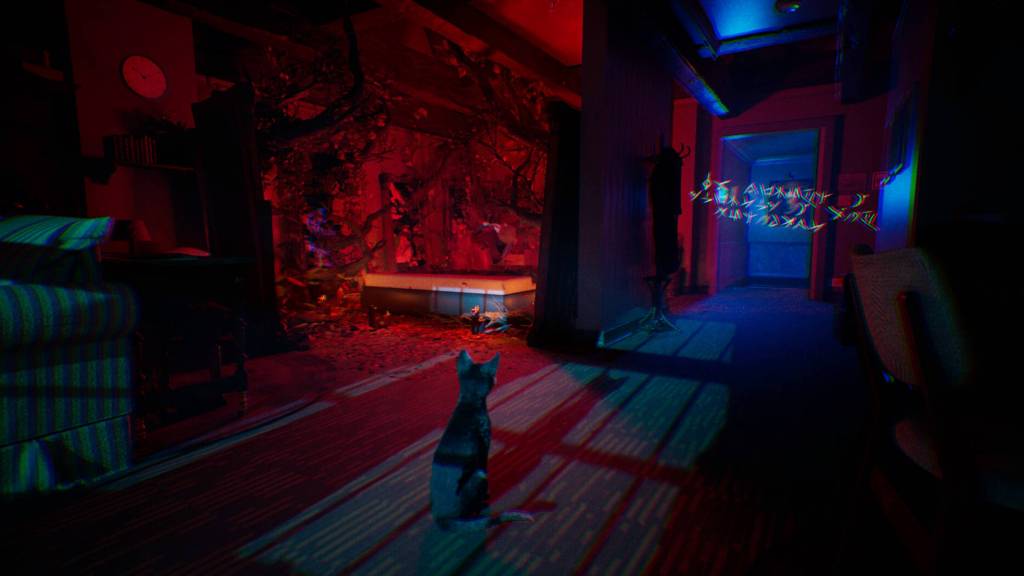
Although there are no revolutions to the action-adventure genre through 1666: Amsterdam‘s time jumps, they do reflect other successful titles. For example, the constant back-and-forth to the ancient past and modern future of the older Assassin’s Creed games reflects what 1666: Amsterdam is going for. At the same time, games like Chrono Trigger are infamous for its manipulation of time. Even as the prologue reaches its end, there is still one more time jump after the scene in 1999, where players take control of a human disguised as a cat that reconnects with Noa back in 1666.
Gameplay is sporadic at times, with none of the characters from each time scene having distinct differences in how they function. Although loosely connected, every timeline has an anthology feeling to it, without any real indication of which part players will spend the most time in. Although players largely expect for the game to take place in 1666 the most, the three timelines might split gameplay into incredibly varied chapters that connect several mysterious threads together.
Fan Criticisms Show That AI-Generated Content Or Linear Design Might Lessen Excitement
Despite its ambitious scope, players have been keen to point out AI-generated content in 1666: Amsterdam‘s prologue, to which developer Panache Digital Games has apologized for. While creators claim that gen-AI was only used for marketing materials, players quickly spotted it in art assets in each timeline. Panache Digital Games has promised that the game’s Early Access and full launch would not include any gen-AI assets, hopefully allowing it to live up to the potential its demo is setting up.
Yet, many player critiques come from how linear each section of 1666: Amsterdam is, with very little gameplay, heavy emphasis on cutscenes, and little room to explore set pieces beyond main objectives. This is likely intentional, but players are right to expect more of an action-adventure game promising a world of dark powers, a historical setting, and a plot that seems to span centuries. While far from the most linear game ever made, the straightforward nature of the 1999 and modern timelines for this title offer very narrow settings to explore.
Compared to the intriguing nature of the 1666 timeline, the other eras of this game simply don’t seem very interesting. The characters in those moments don’t have the powers of Noa, nor the context for the story other than to reveal how plot threads connect through far less engaging gameplay. If 1666: Amsterdam uses these sections sparingly, it will likely not matter, but forcing players to jump around timelines constantly might take them away from the gameplay that creates the game’s most compelling moments.
What do you think of the moving timelines in 1666: Amsterdam‘s prologue demo? Leave a comment below or join the conversation in the ComicBook Forum!
More Gaming
-

Courtesy of Wizards of the Coast