Nintendo and Sega spent years as the biggest rivals in the home gaming market, with their tit-for-tat releases in the 1990s cementing the “Console Wars” of the era. That’s what makes the fact that June 23 is such an important day in the history of both companies so funny. In 1991, Sega made its splashiest introduction on that day, debuting Sonic the Hedgehog both as a game and as a property.
Videos by ComicBook.com
Just five years later, Nintendo turned the day into the original release for their biggest console swing yet, revolutionizing the home gaming market by bringing their biggest character into a fully 3D world. For three decades now, Mario and Sonic fans have shared an unexpected birthday for some of the most beloved entries in their respective franchises. While both are important to their fans and the larger gaming culture, only one of them reshaped the entire medium almost overnight.
Sonic The Hedgehog Rushed Sega To The Front Of The Pack
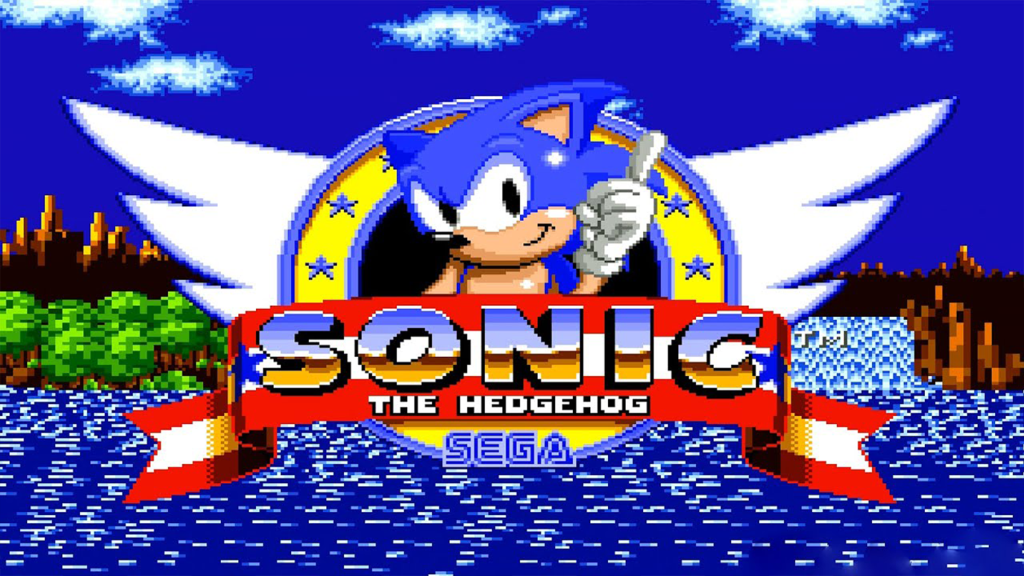
Sonic the Hedgehog debuted on June 23, 1991, serving as a major selling point for the Sega Genesis. In an era where Nintendo had come to quickly define the console market with the NES, the Sega Genesis needed something that could not only stand out from their newfound rival but also offer a game experience that could fit the times. A platformer like the Super Mario Bros. titles, Sonic the Hedgehog felt like something truly distinct. The natural speed of the game was an exhilarating (and occasionally frustrating) answer to the more deliberate pacing of Mario.
Whereas Mario has made for a charming if somewhat bland protagonist in his game, Sonic was full of punk and personality from the first time players met him. His colorful landscapes spoke to a willingness to push the sprite graphics of the era to the breaking point, creating vast settings with a depth of field that constructed entire worlds instead of just stages. An immediate success (albeit benefiting from being bundled with the Genesis), Sonic represented the sort of bold ambition that can really pay off in the gaming landscape. With fresh takes on combat, health, and traversal that put emphasis on the visual strength of the Genesis’ 16-bit graphics, Sonic the Hedgehog became a nearly instant hit of the era and quickly defined Sonic as one of the growing industry’s biggest mascot characters.
While the character and his universe have expanded in some key ways over the years, Sonic’s original adventure remains a benchmark in game design, speaking to the strength of streamlined character construction and a fast-paced tone that stood out from the slower pacing of its rivals even beyond Nintendo. That original Sonic the Hedgehog game did more than just establish the blue blur as a peer to Mario; it also highlighted the value of distinct game design and style as a means of winning over players. 35 years later, the original game remains a tightly constructed work that puts great emphasis on speed without ever sacrificing the value of a deliberate strategy and approach.
Super Mario 64 Changed Gaming Forever
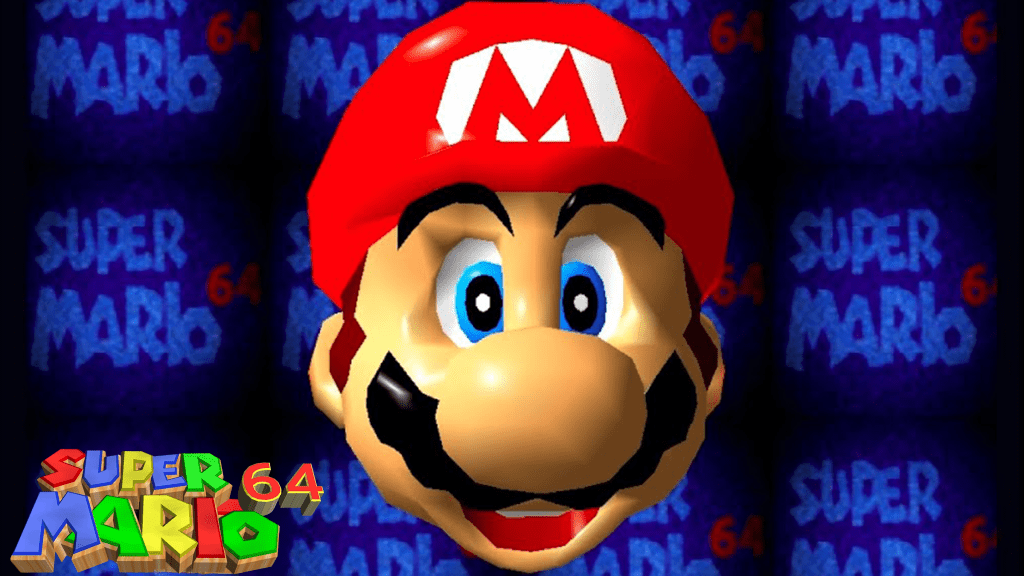
Mario thrived in light of this new competition, although not necessarily in the platforming space. Sequels like Super Mario World 2: Yoshi’s Island, collaborations like Super Mario RPG: Legend of the Seven Stars, spin-offs like Super Mario Kart, and compilations like Super Mario All-Stars all kept the plumber at the forefront of the Nintendo identity, but there weren’t any games for the SNES following Super Mario World that could really showcase the franchise as the future of the then incredibly popular platforming genre. However, the 3D graphics pioneered for titles like Star Fox for the console helped lay the groundwork for a larger shift towards that direction, setting the stage for the Nintendo 64.
As a launch title for the console’s release, the publisher decided to go with Super Mario 64, transitioning his adventures into a vast 3D landscape. Debuting in Japan on June 23, 1996, before coming to the rest of the world the following year, Super Mario 64 once again asserted Mario’s adventures as a killer app that helped bring attention to Nintendo’s big entry into the 3D space. Expanded combat options and a whole new dimension to maneuver through opened the door to new game design challenges, as well as allowing Nintendo’s developers to push the game to the graphical limit. For the time, Super Mario 64 was vast and ambitious – without ever losing that natural cartoon-y charm of the original. The player-controlled camera, vital for making your way across floating platforms in a 3D space, was a revolutionary advancement that helped establish the bedrock for the future of 3D game design.
Super Mario 64 ushered in a sea change for the medium, establishing 3D as the future in ways that other consoles like the PlayStation would quickly run with. Even as other properties (including Sonic) had greater struggles adjusting to the new style, Mario proved how effective this new approach could be. Soon, Nintendo, Sega, and new rivals like Sony would embrace that style too, transitioning most AAA franchises into 3D. While Sonic the Hedgehog reshaped a genre with his arrival and cemented Sega as a major fixture of its era, Super Mario 64 changed the entire landscape of console gaming in ways that are still being felt decades later.
Is June 23rd more important for Sonic or Mario fans? Let us know what you think in the comments and on social media!
More Gaming
-

Image Courtesy of Embark Studios