Nintendo has never been afraid to leave a franchise on the shelf until the moment is right. Sometimes that patience works, as it did when The Legend of Zelda: Breath of the Wild transformed the series after years of a familiar formula. Other times, beloved properties simply disappear while Nintendo focuses on its biggest sellers. The Nintendo Switch 2 gives the company another opportunity to revisit those dormant series. With stronger hardware, improved online features, and a growing audience, several forgotten Nintendo franchises could return in ways that were impossible on older hardware. Far too many series have either been dormant for more than a decade or desperately need a proper revival.
Videos by ComicBook.com
There is also a personal reason these franchises deserve another chance. Nintendo’s older catalog is filled with games that offered experiences its biggest modern series do not provide. Nintendo has one of the deepest libraries in the video game industry, so it is a shame that many classic series have been left behind. Nintendo has already shown a willingness to revive forgotten properties, and the Switch 2 is the perfect platform for these five Nintendo franchises to receive modern reboots.
5) Nintendogs
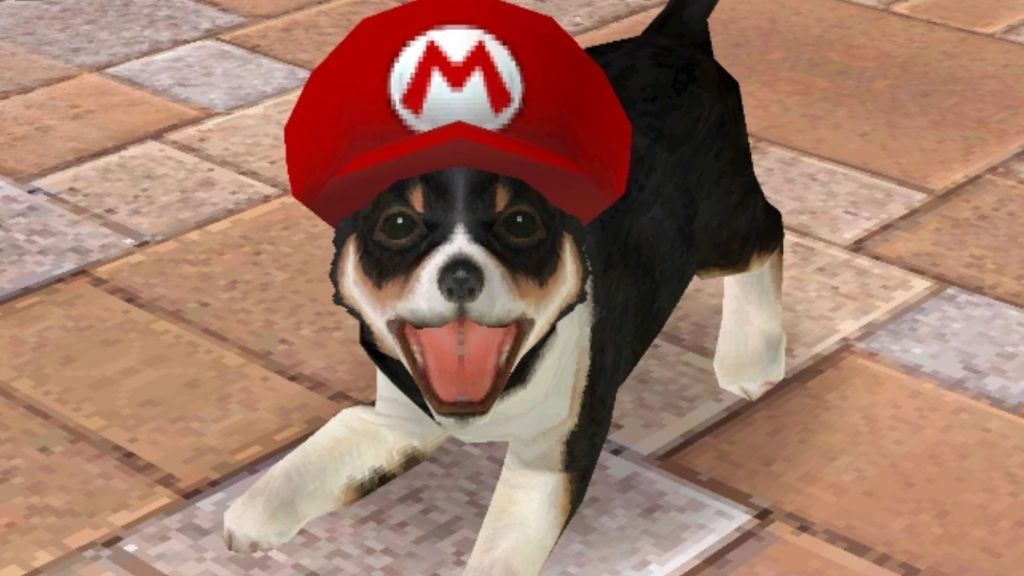
Nintendogs might be one of Nintendo’s easiest franchises to revive because its basic concept remains appealing. The original Nintendo DS game turned raising a virtual puppy into an interactive experience built around the system’s touchscreen, microphone, and stylus. Nintendo later expanded the concept with nintendogs + cats, which launched alongside the Nintendo 3DS in March 2011. It introduced kittens, additional breeds, augmented reality features, StreetPass functionality, and facial-recognition technology that allowed the animals to react to their owners.
That makes nintendogs + cats the last major entry in the franchise, and its age is increasingly obvious. A modern Nintendogs could retain the simple appeal of feeding, walking, training, and playing with animals while expanding customization, environments, photography, and social interaction. Nintendo would not need to turn it into a complicated simulation. The charm was always in making the player feel attached to a virtual companion.
I remember how easy it was for Nintendogs to become part of a daily routine, much like Animal Crossing. The game did not demand a massive time commitment, which made checking on a virtual pet feel different from playing a conventional Nintendo game. A Switch 2 reboot could capture that same appeal for a new generation while taking advantage of modern hardware. Nintendo already experimented with voice recognition, touch controls, cameras, and augmented reality in the series. A new game could build on those ideas without losing the simplicity that made Nintendogs memorable.
4) F-Zero
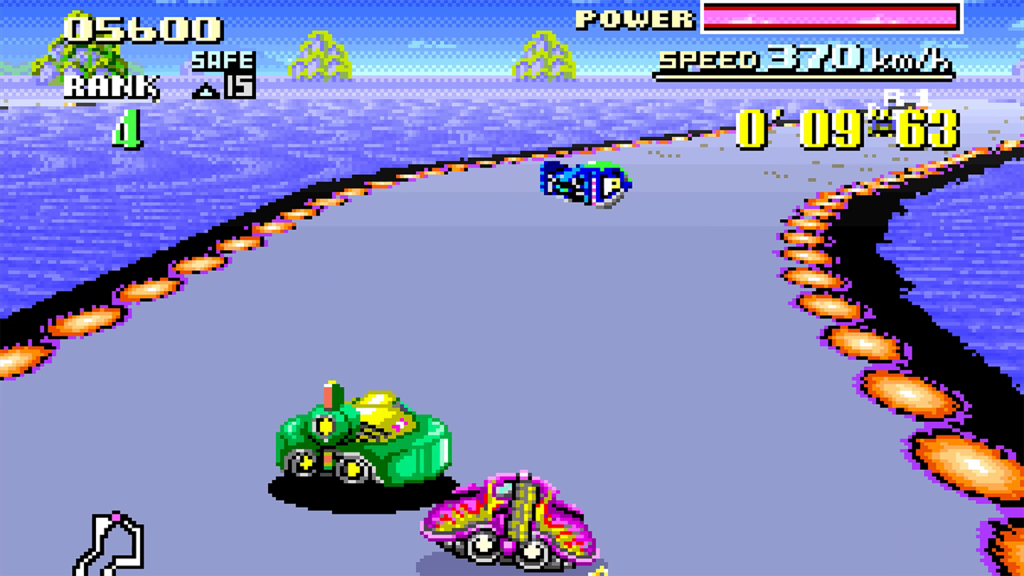
F-Zero technically returned on Nintendo Switch with F-Zero 99 in 2023, so calling the franchise completely absent would be inaccurate. However, Nintendo has not released a new traditional F-Zero console game since F-Zero GX arrived on GameCube in 2003. F-Zero 99 instead reimagined the original Super NES game as a massive online survival racer, proving Nintendo still sees value in the franchise even after years without a conventional sequel.
What has been missing is a modern game built around the full F-Zero experience. F-Zero GX delivered blisteringly fast racing, complex tracks, numerous machines, a story mode, and multiplayer. It also demonstrated how different the series could feel from Mario Kart. A Switch 2 reboot could preserve that identity while introducing larger online races, extensive customization, new tracks, and a substantial single-player campaign.
The timing is especially interesting because F-Zero 99 has already reminded players why the franchise’s speed and competitive design work. A new game could take those ideas much further instead of simply recreating the past. Captain Falcon also remains one of Nintendo’s most recognizable characters through Super Smash Bros., giving the company an established face for the series. After more than two decades without a traditional console installment, a Switch 2 F-Zero could finally deliver the sequel longtime fans have been waiting for.
3) Punch-Out
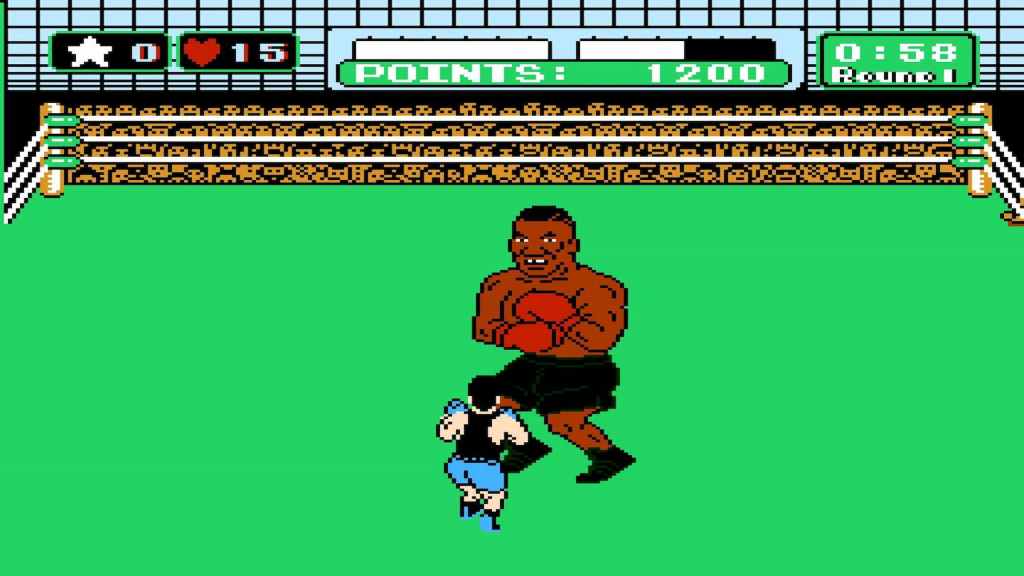
Punch-Out!! has been waiting even longer for a comeback. The latest major installment, Punch-Out!! for Wii, launched in 2009 and brought Little Mac back with a colorful roster of returning and new opponents. The game maintained the series’ distinctive approach to boxing, where success depended less on traditional sports simulation and more on recognizing patterns, spotting visual cues, dodging attacks, and exploiting brief openings.
That formula still has enormous potential. Nintendo does not need to transform Punch-Out!! into a realistic boxing game to justify a reboot. The series works because every opponent feels like a puzzle. A Switch 2 version could use modern animation to make fighters more expressive while expanding their behaviors and attack patterns. Traditional controls could become the foundation, with optional motion controls providing an alternative rather than defining the entire experience.
The Wii game also demonstrated that Nintendo could successfully revive Punch-Out!! after a lengthy absence. More than 15 years have now passed since Little Mac’s last major adventure, leaving younger players with few opportunities to experience the series outside of appearances in other Nintendo games. I still remember how satisfying it was to finally recognize an opponent’s tell after repeatedly losing to the same attack. That feeling is exactly what a Switch 2 reboot should preserve. Nintendo could create another compact but highly replayable first-party game without needing to turn it into a massive open-world production, especially considering the success of ARMS on the Nintendo Switch.
2) Golden Sun
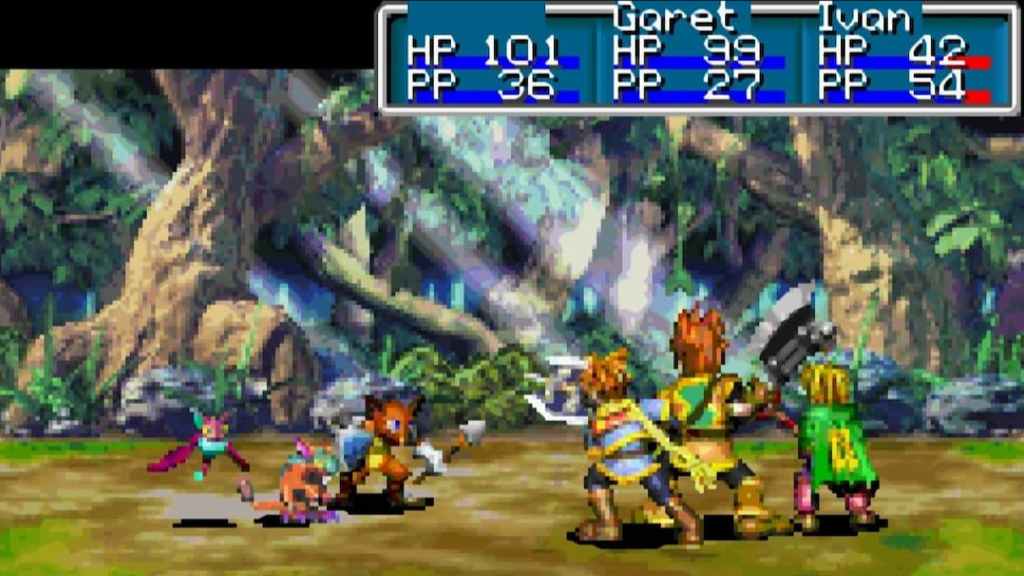
Golden Sun has one of the strongest cases for a Switch 2 reboot because its mechanics still feel distinctive. The original Game Boy Advance games combined traditional turn-based role-playing combat with exploration, puzzles, elemental magic, and the Djinn system. Psynergy was particularly important because it could be used outside combat to manipulate the environment and solve puzzles. That gave exploration a mechanical purpose beyond simply traveling between battles.
The last major entry was Golden Sun: Dark Dawn, released for Nintendo DS in 2010. It advanced the story by 30 years and introduced a new generation of characters while continuing the history of Weyard. More than 15 years have passed since then, giving Nintendo several possible directions to take the series. A reboot could revisit the original story with modern visuals, expanded environments, improved dungeon design, and a refined version of the series’ elemental systems. Or it could be an entirely new game.
What made Golden Sun memorable was how well its mechanics worked together. Psynergy was not simply another collection of combat spells. It changed how players interacted with the world, and the Djinn system added another layer to character customization and battles. A Switch 2 reboot could preserve those ideas while giving Weyard a larger presentation and smoother exploration. Nintendo has shown that older franchises can find new audiences on modern hardware. Golden Sun deserves the same opportunity, especially for players who have never experienced its original Game Boy Advance adventures.
1) Kid Icarus
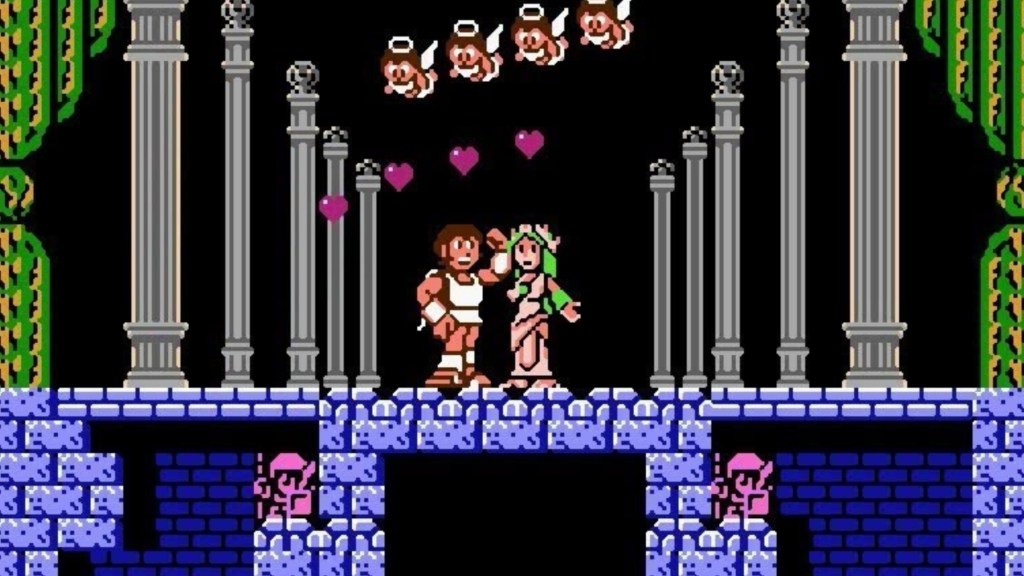
Kid Icarus spent decades waiting for a major revival before Kid Icarus: Uprising arrived on Nintendo 3DS in 2012. Developed by Project Sora and directed by Masahiro Sakurai, the game transformed Pit from a relatively simple platforming character into the star of a fast-paced action adventure. It combined aerial combat, ground-based missions, customizable weapons, boss battles, and multiplayer while making extensive use of the 3DS hardware.
Kid Icarus: Uprising remains the last major installment, and its control scheme is now one of the biggest obstacles to revisiting it. The game relied heavily on the 3DS touchscreen for aiming, but Switch 2 could provide a more conventional dual-stick control system while implementing an enhanced touchscreen and motion controls. That would allow Nintendo to preserve the series’ fast combat while making it considerably more comfortable for modern players.
The best reason to revive Kid Icarus is that Uprising proved how much potential the franchise had beyond its original platforming roots. Pit, Palutena, and the colorful cast could support another ambitious action game without abandoning their Nintendo identity. I would rather see Nintendo build on Uprising than simply remake the NES original. A Switch 2 sequel could retain its humor, weapon variety, frantic battles, and distinctive characters while expanding the world and multiplayer. After more than 14 years, Pit is overdue for another chance to take flight.
More Gaming
-
Image Courtesy of 2K/Sony Interactive Entertainment -
Courtesy of Paramount Pictures / Titmouse -

Image Courtesy of Kwalee/New Blood Interactive/DreadXP