Mario is one of the undeniable faces of gaming, one of the rare all-ages characters who still generate passion in older players. While there’s a certain amount of nostalgia that fuels that enduring fandom, a big part of what makes Mario so easy to love is the fact that many of his games are designed with a level of craft and artistry that can’t be matched. It’s been that way since his earliest days as Jump Man in Donkey Kong, and it was at the core of the original Super Mario Bros.
Videos by ComicBook.com
The series has only been refined over time, with each new mainline entry in the series having its fans and critics. However, it’s hard to think of many entries in the franchise — or in gaming in general — that have surpassed Super Mario Bros. 3. Taking everything that made the original game great and enhancing it, the game quickly became a best-seller and critical darling. Now, 36 years later, it remains one of the best platformers ever made.
How Super Mario Bros. 3 Improved On The Original Games
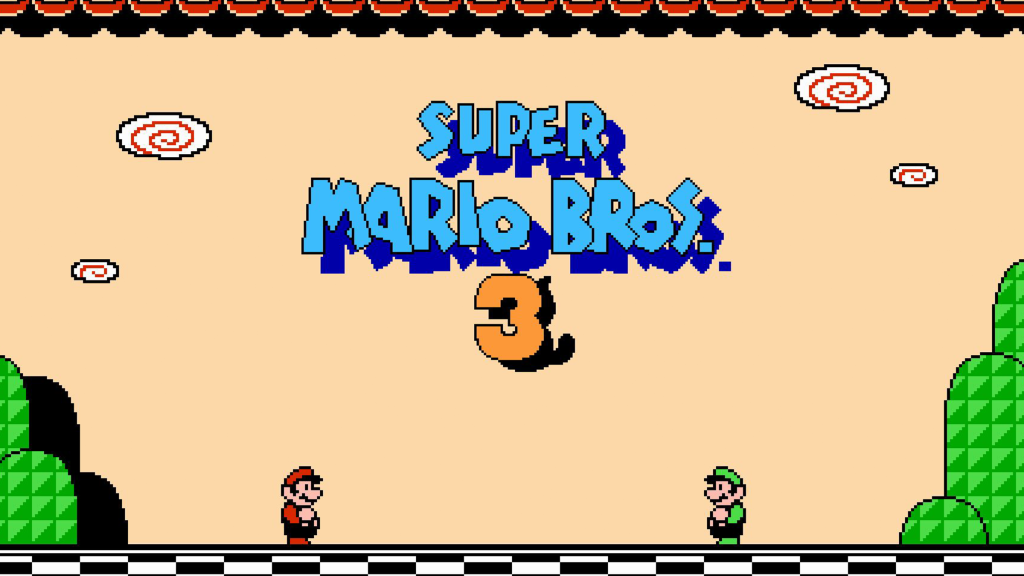
Debuting in North America on February 12, 1990, Super Mario Bros. 3 is still one of the best games in the long-running series — and one of the best platformers ever made. Following the massive success of Super Mario Bros., the two versions of Super Mario Bros. 2 — both the Japanese expansion and the North American reskin of Yume Kōjō: Doki Doki Panic — further cemented the series as one of the more popular titles in the regrowing console market. Super Mario Bros. 3 was something else, though. Game director Shigeru Miyamoto and his team put an emphasis on creativity and challenging ideas, with the game introducing a host of new power-ups, enemies, and gameplay elements.
The larger overworld between stages gave players a sense of agency in choosing their specific paths, inspiring future entries to expand that concept. A more specific difficulty curve was introduced that played with player expectations. New characters like the Koopalings, who serve as many of the bosses in the game, expanded the scope of the series. The graphics were a huge upgrade over the previous two games, introducing new depth to the Mushroom Kingdom. Despite all these new elements, the game retained the tight design and easy-to-learn/hard-to-master gameplay that has come to define the Super Mario franchise.
If anything, Super Mario Bros. 3 truly codified that ethos, with sudden battles against the Hammer Bros. or the overwhelming onslaught of Bowser’s airships perfectly threading the needle between challenging and frustrating. It all came together in a charming package that used vivid colors, clear designs, and fantastic music to deliver a game that many critics at the time called the best game to be released on the NES. Contemporary reviews were through the roof, calling it a masterful expansion of the previous games. Retrospective ones have only underscored the strength of Super Mario Bros. 3‘s execution, enshrining it in gaming history as a prime example of what the platformer should be.
Why Super Mario Bros. 3 Is Still A Genuine GOAT Contender
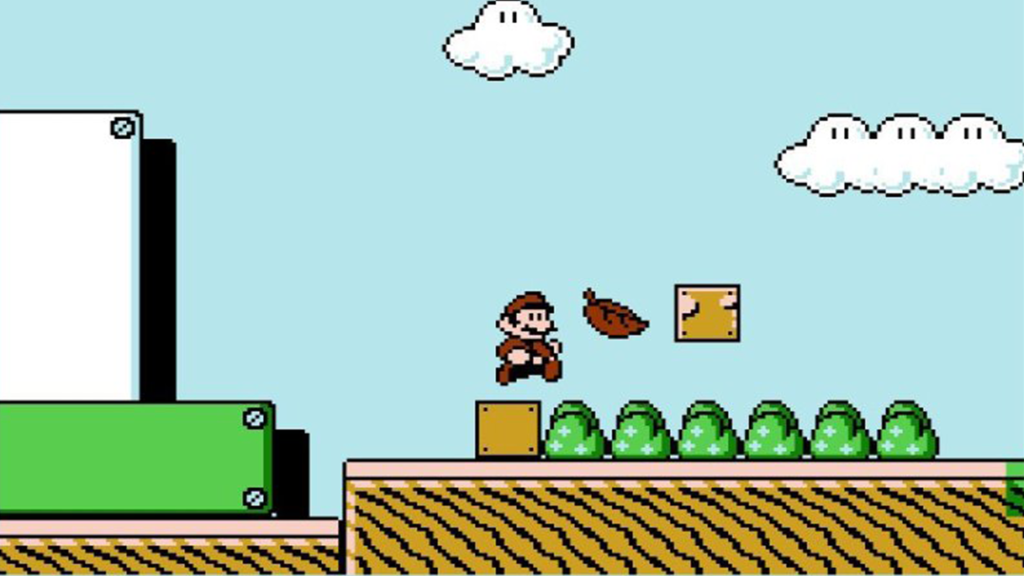
In the decades since Super Mario Bros. 3, there have been plenty of great expansions of the franchise that utilize new technology to great effect. Super Mario World for the Super Nintendo took things even further and utilized the SNES power to make a truly massive game, while the later entries in the series, like Super Mario 64 and Super Mario Galaxy, were able to successfully make the leap from the original side-scrolling adventures into 3D with quiet confidence. There’s something to be said for just how good Super Mario Bros. 3 is, however, and how it refined the platformer genre to near perfection.
Decades later, the tight controls are still easy to pick up and master, making the challenging levels all the more compelling. The mix of power-ups, mini-games, and varied level design ensures that the gameplay never feels repetitive. The sprite design gives the entire experience a charming core that speaks to the natural appeal of the series, which has become one of the most enduring qualities of the game. That’s likely why, even decades later, Super Mario Bros. 3 still has some of the best reviews of any entry in the series.
There’s a tightness to the gameplay, an ingenuity to the level design, and a true sense of whimsy baked into the overall aesthetic that make it endlessly charming. While Super Mario Bros. might have been the franchise’s establishing hit, Super Mario Bros. 3 is the game that cemented the series as one of the biggest franchises. Playing it today is just as fun as discovering it as a child, and modern platformers are still following in the footsteps laid out by this game. It’s been 36 years, and Super Mario Bros. 3 remains one of the best examples of gaming — not just for Nintendo and platformers, but the medium as a whole.
Most Viewed
-

Courtesy of Crunchyroll -

Image Courtesy of A-1 Pictures -

Image Courtesy of WIT Studio -
Sony Pictures