Even when compared to other major gaming misfires, Mass Effect Andromeda remains a particularly sad example of a promising sequel landing poorly. The sequel to the original Mass Effect trilogy was an ambitious swing that could have reinvented the series and set up a limitless future. Instead, technical issues and poor word-of-mouth turned a potential hit into a mild disappointment for EA.
Videos by ComicBook.com
As a result, plans for future games building off that plotline and expanding those characters fell by the wayside, with the series going quiet for several years before a new entry would be announced. Nearly a decade after that game launched, one of the stars of it still thinks EA is to blame for Mass Effect Andromeda‘s stumbles. While he does have some good points, it doesn’t completely address the situation and why the game didn’t land with players.
Why Ryder’s Voice Actor Still Blames EA For Mass Effect Andromeda’s Struggles
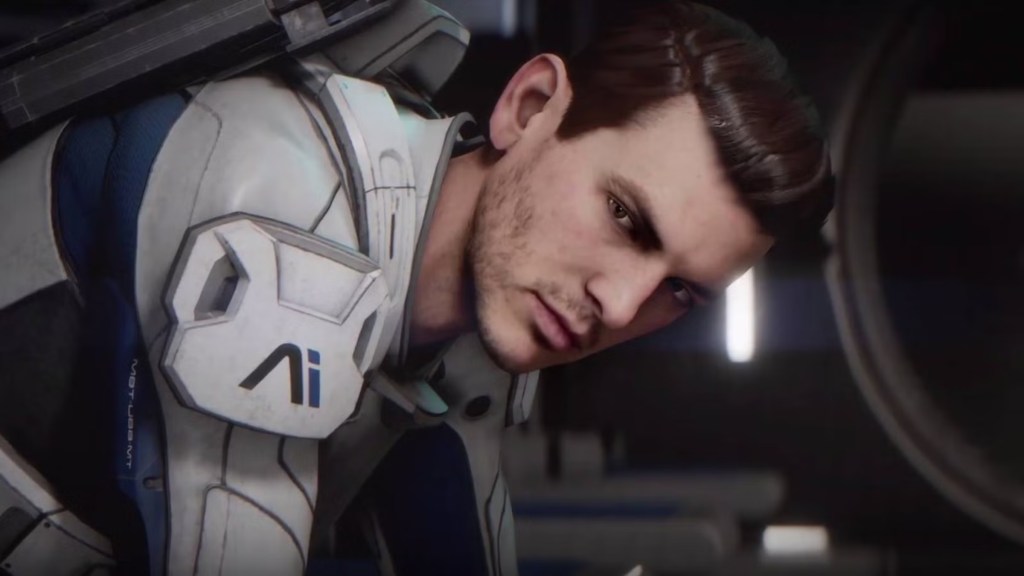
Mass Effect Andromeda launched in 2017 and was meant to usher in a new era for the sci-fi franchise. This meant shifting the story to an entirely new galaxy, with no returning characters or settings. On paper, this could have been a welcome fresh start following the climactic (and divisive) finale of Mass Effect 3. However, the technical drawbacks and dull story left players and critics wanting more. Since then, plans for an expanded Mass Effect Andromeda series have evaporated, with the series instead returning to the era of the original trilogy for the teased Mass Effect 5. However, the game does still have its defenders, including Tom Taylorson. Taylorson played one of the game’s two lead characters, Ryder. During an interview with We Are Mass Effect, the actor explained that almost a decade later, he still thinks the game was saddled with an unwarranted negative reaction.
However, more so than the disappointed fans or the frustrated critics, Taylorson’s primary ire seems to be focused on EA, which published the BioWare-developed game. “It was done dirty by a publisher expecting too much from it,” Taylorson explained, saying that the game’s technical problems were exacerbated by the company rushing the game’s release. “[Mass Effect Andromeda was] forced out the door too early, forced to use corporate’s shiny new engine when many of the team didn’t know how to work with it, and it was not suited to the storytelling part of the game.” While Taylorson also does hold some frustrations with an online space that was looking for a punching bag and found it with Andromeda, his argument is largely predicated on the game’s drawbacks being the result of the development cycle being rushed, which in turn gave critics ammunition and drove away the player base that could have evolved around the title.
Is Tom Taylorson Right About Mass Effect Andromeda’s Release Woes?
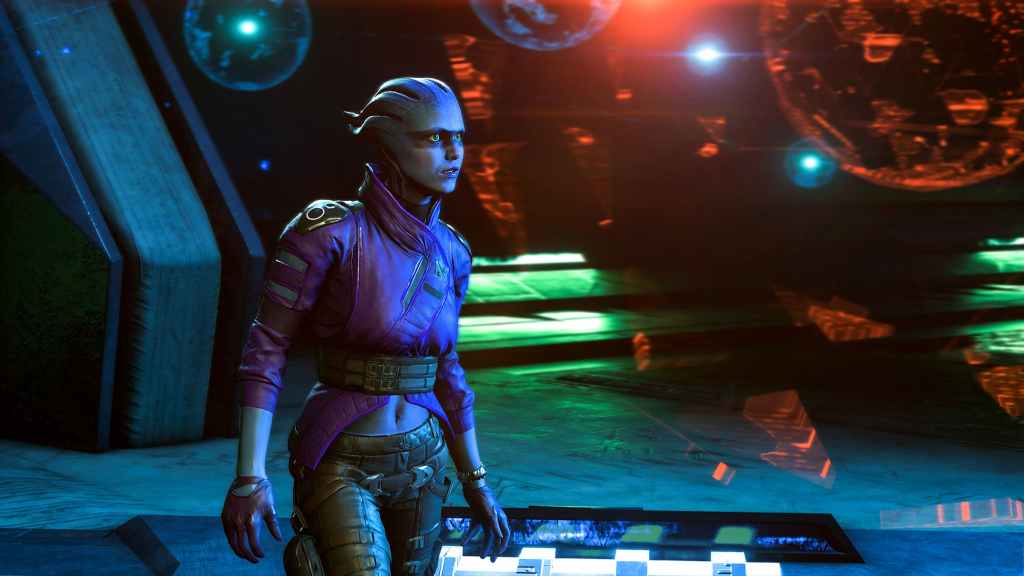
Mass Effect Andromeda was always going to be facing an uphill battle. The original Mass Effect trilogy had been a major hit when it launched, with the controversy over the original ending largely stemming from players who wanted more clarity to the fallout of their decisions after spending hundreds of hours across three games developing their version of Commander Shepard. Expectations were high for Andromeda, with anything less than a modern masterpiece likely to face criticism. On the one hand, EA’s involvement and influence on the game weren’t helping — especially with their Frostbite game engine replacing the Unreal engine used in the original trilogy. Ultimately, Mass Effect Andromeda went through multiple revisions, including scrapping various alien races and procedurally created planets that tightened the development cycle even further. On a certain level, EA was likely pushing for an earlier release, which kept the game from realizing its full potential.
However, that’s not to say that BioWare is entirely blameless in the situation either. The team had five years to make the sequel following Mass Effect 3‘s launch in 2012, a fairly lengthy development cycle for the time. The team’s experimentations were ambitious but ultimately hindered the developers and kept them from focusing on tightening the game and enhancing the story. Regardless of their lofty goals, the game released was the game released — and all those problems were the ones they accepted when they launched the game. While Taylorson isn’t wrong to note that there was a certain corner of the internet that was giddy about attacking the game, there were plenty of fans of the original trilogy (including this writer) who just weren’t as engaged by the new title as they were with the older games.
No video game flops entirely because of one person or a single reason. Games can fail to connect with audiences for all sorts of reasons, compounded together to sink an otherwise promising prospect. In retrospect, that feels like the true cause of Mass Effect Andromeda‘s stumble. The game development was complicated by a publisher that didn’t have enough confidence in it, but it was also held back by a team that repeatedly had to return to the drawing board. There was a contingent of players hoping it would fail, but there were also gamers who were disappointed by the game or even just uninterested in returning to the franchise after the conclusive nature of Mass Effect 3. Taylorson definitely has some understandable feelings about the project, especially as he notes in the interview that he and his co-stars “thought we’d have a good decade of playing with these characters in these spaces.” However, while EA definitely bears some of the blame for the game’s struggles at launch, it’s not the only culprit.
More Gaming
-
Image Courtesy of Dreamworks -
Image Courtesy of Electronic Arts -
Image Courtesy of Electronic Arts