The Nintendo Entertainment System is a crucial piece of gaming history. After the Video Game Crash all but doomed home consoles in the West for years, the launch of Nintendo’s platform salvaged the industry and helped lay the groundwork for what it would become in the modern day. That console boasted some of the most iconic and influential games of all time, whether that be the side-scrolling perfection of Super Mario Bros., the fantastical scope of Final Fantasy, or the open-world adventure of The Legend of Zelda.
Videos by ComicBook.com
Right there alongside those legendary releases is Metroid. Launching in Japan on August 6, 1986, on the Famicom before making its way to North America the following year, Metroid was a synthesis of several game mechanics into a more impressive whole. With a clear sense of style and tension, it felt like something genuinely new in the medium, refining several mechanics while also introducing new concepts. Forty years later, the eternally influential Metroid remains one of the most important games the NES ever got.
Why Metroid Is So Important
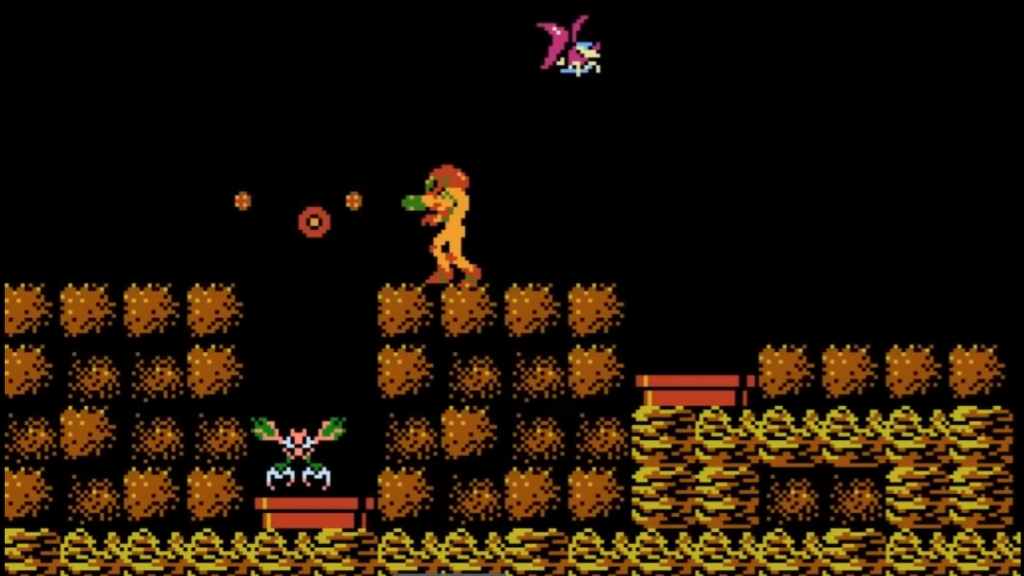
Developed by Nintendo R&D1 and Intelligent Systems, Metroid was a strong success for Nintendo when it landed on the NES. The game’s relatively straightforward approach to side-scrolling combat might have initially felt like an extension of a popular genre, but it quickly revealed a level of depth that few other games could match. While exploring the planet of Zebes, Samus didn’t just have to move forward. Instead, the open-ended world provided players with challenges to overcome, puzzles to solve, and enemies to defeat. It was a labyrinth for you to explore and solve, with an emphasis on discovery that made players genuinelly feel like they were the ones embarking on the adventure. The game effectively laid the groundwork for what is now known as a Metroidvania game, where the focus on exploration is key to advancing the game.
In terms of raw potential, Metroid is only matched on the NES by the likes of The Legend of Zelda, another early example of how the adventure game could be so much more than just a series of linear levels. You could be the one to explore a greater world, setting the stage for generations of adventure game design. This nonlinear approach is something plenty of games have embraced in the modern era, with many of Metroid‘s additions to the medium being reflected in the underlying game design. It’s an underlying design style that has been expanded over time to be more reflective of different types of adventures. Even beyond the Metroidvania style of game, the landscape would be different without Metroid.
While Legend of Zelda opened the door to open-world exploration, Metroid proved you could still make a game that benefited from tension and claustrophobia. Sure, you could explore the halls as much as you wanted, but they were still going to be intimidating. It was a game that never lost sight of that underlying terror of being in a dangerous and alien world, even as players discovered new weapons and figured out distinct strategies. The scope was so large, the developers were able to even insert multiple endings that changed depending on how quickly the player made it through the game. It’s one of the key adventure games in the history of the medium, a direct step towards the massive landscapes of modern design.
Metroid Was A Trailblazer That Only Revealed The Truth After The End
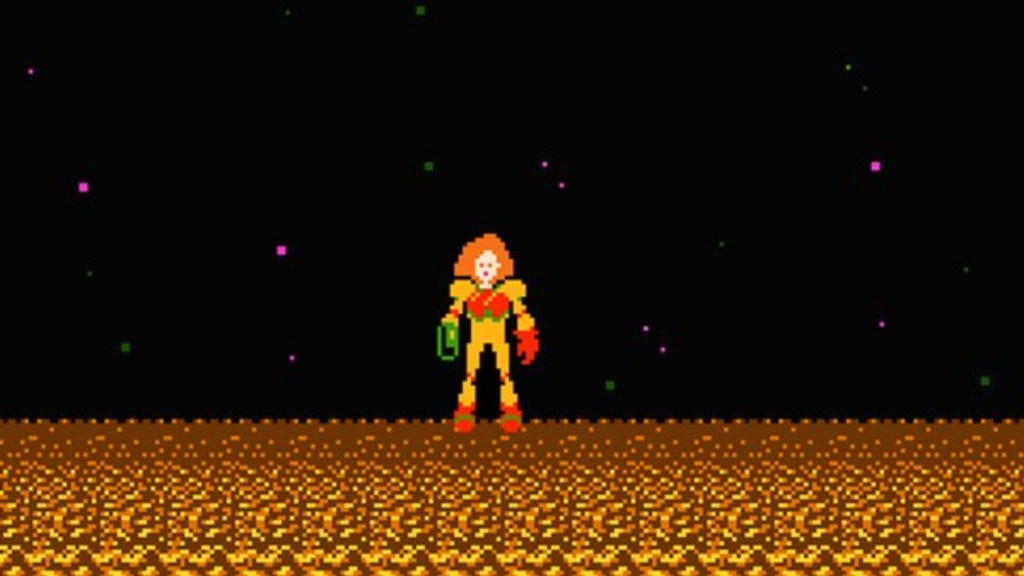
Beyond the gameplay mechanic steps, Metroid is also famously a key moment for representation in gaming — even if it held back on that fact until the very end. Most of the game has the player controlling Samus in their spacesuit, fighting off hordes of aliens and eventually escaping the planet before it is destroyed. Afterwards, a victorious Samus will strike a pose. If the player had done well enough and cleared the game in under a certain number of hours, Samus would remove her helmet and reveal she has been a woman this entire time. It was an unexpected moment for a lot of gamers at the time, especially after there had been little indication earlier in the game proper. This subtle move was vital to the medium, though. It showcased the potential for different kinds of playable characters and proved that the right experience could let players step into all sorts of roles. It laid the groundwork for characters like Lara Croft to become stars in future generations.
This move also notably didn’t get downplayed in future games. Metroid II and Super Metroid took Samus’ femininity and embraced it in the story about her unexpected bond with a baby Metroid — all without ever undercutting her capabilities in combat and her expertise in exploration. Especially for a medium that has so often been a focal point for boys and can easily become a hotbed for resentment towards others, Metroid was a quietly crucial step in showcasing that the power fantasy didn’t need to be defined by gender. Great developers could craft a great game with diversity in mind, without ever losing what made the games great in the first place. It gave players who weren’t boys someone to look to as a lead character, anchoring their own franchise. Metroid was a crucial step in gaming becoming what it is today on a cultural level, escaping the potential pitfalls of playground focus to showcase a wider scope of perspectives.
More Gaming
-
Courtesy of Wizards of the Coast