Platformers helped define the video game industry long before modern open-world games and live service titles became dominant. The genre introduced millions of players to gaming through simple controls, memorable worlds, and movement-focused gameplay. Over the decades, platformers evolved from straightforward side-scrolling adventures into massive 3D experiences filled with exploration, collectibles, combat, and puzzle-solving. Even now, developers continue borrowing ideas from classic platformers because the genre established so many foundational mechanics that are still used today.
Videos by ComicBook.com
The platforming genre has grown tremendously since its creation, but a handful of games shaped its direction more than any others. Some established the basic structure of side-scrolling gameplay, while others reinvented how movement and exploration worked in three dimensions. Certain titles influenced level design philosophy, while others inspired entirely new subgenres that continue thriving decades later. Whether players realize it or not, many modern games still carry design DNA from these landmark releases. These five games have had a huge impact that extends far beyond platformers themselves and helped shape gaming as a whole./h
5) Sonic the Hedgehog
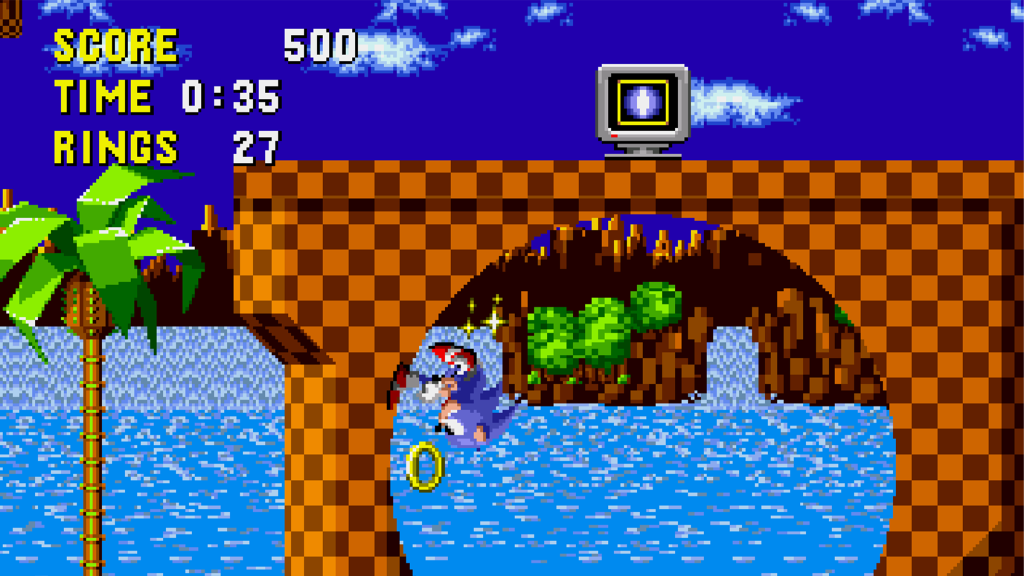
When Sega released Sonic the Hedgehog in 1991, the company wanted a mascot capable of competing directly with Nintendo. Instead of copying Mario, Sega focused on speed, and that decision helped Sonic become one of the most recognizable gaming franchises ever created. The original Sonic the Hedgehog shifted platforming toward momentum and fast movement. Levels featured loops, slopes, springs, and branching pathways designed to maintain speed whenever possible.
The game rewarded quick reflexes and flow rather than careful precision. This approach immediately gave the series its own identity. Sonic’s emphasis on speed influenced countless later games. Many developers experimented with faster platforming mechanics because Sonic proved the concept could work successfully. Even outside platformers, games began prioritizing fluid movement and pacing more heavily during the 1990s.
The rivalry between Sega and Nintendo also helped push the gaming industry forward during this era. Seeing commercials for Sonic the Hedgehog as a kid made the game feel rebellious and energetic compared to other platformers at the time. That marketing, combined with the game’s speed-focused design, helped define an entire generation of gaming culture. And just like Mario, Sonic continues to make a name for itself in the gaming industry, experimenting with new genres and mechanics.
4) Banjo Kazooie
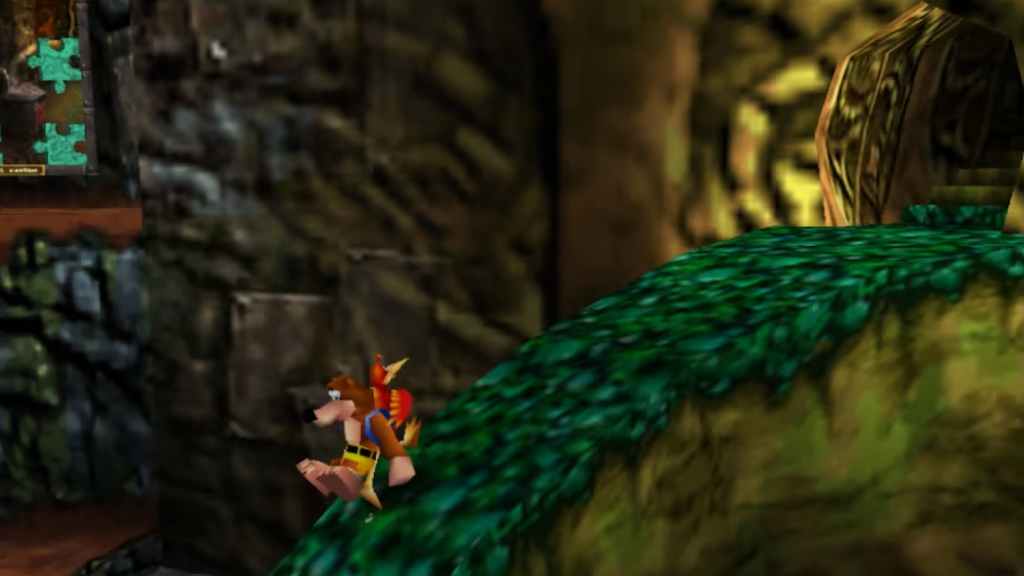
Rare’s Banjo-Kazooie arrived in 1998 during a period when 3D platformers were rapidly expanding in popularity. While heavily inspired by Super Mario 64, the game carved out its own identity through humor, character interaction, and collectible-driven exploration. One of the game’s biggest contributions was helping popularize the partner platformer concept. Banjo and Kazooie functioned together as a duo, combining abilities to navigate levels and solve puzzles. This dynamic created more varied gameplay while giving the characters stronger personalities.
The game also refined the collectathon structure that became common in late 1990s platformers. Levels were packed with Jiggies, musical notes, hidden secrets, and optional objectives. Exploration became just as important as platforming skill. Players were encouraged to search every corner of each world instead of simply racing toward an exit. The dynamic between Banjo and Kazooie made this aspect enjoyable and offered the player many tools.
What stands out most, revisiting Banjo-Kazooie today, is its charm. Rare filled the game with memorable dialogue, expressive animation, and creative worlds that still feel distinct decades later. The game showed that platformers could combine strong movement mechanics with humor and personality in ways few developers had attempted before. To this day, fans are still hoping for an official remake, even as the years go by with no sign of such a thing coming to be.
3) Metroid
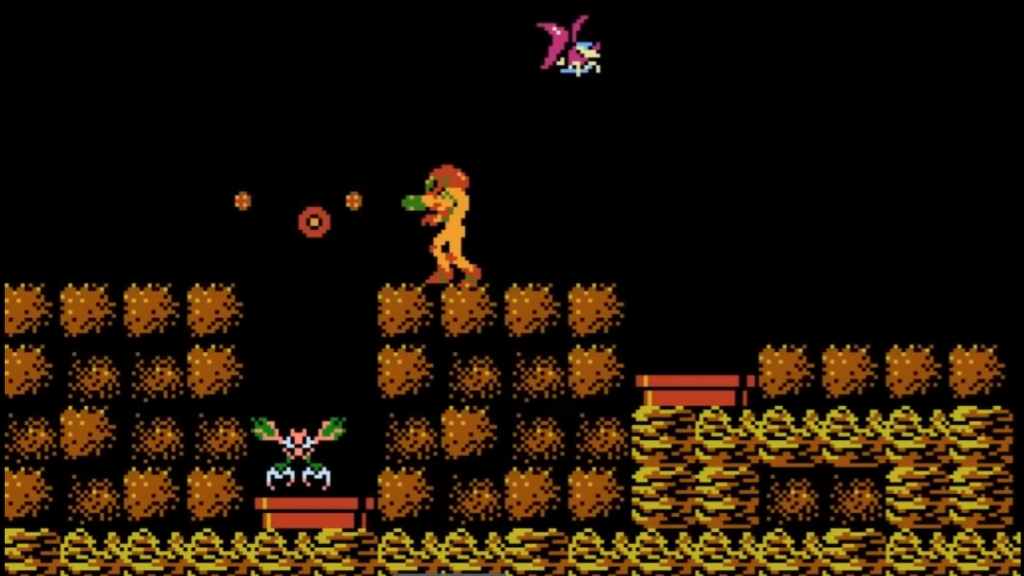
While some players debate whether Metroid fully counts as a platformer, its influence on movement-based exploration games is undeniable. Released in 1986 on the NES, the game introduced ideas that eventually helped create the Metroidvania genre alongside Castlevania: Symphony of the Night. Unlike many platformers of its era, Metroid focused heavily on exploration and progression through ability upgrades.
Players controlled Samus Aran across a massive interconnected world where new tools unlocked previously inaccessible areas. That structure encouraged backtracking and rewarded curiosity in ways few games had done before. Today, the Metroidvania genre remains one of gaming’s most popular styles because of the groundwork laid by Metroid. Games like Hollow Knight, Ori and the Blind Forest, and Dead Cells all build upon systems first introduced decades ago.
The atmosphere also made Metroid stand out. The isolated environments, haunting music, and lack of handholding created a unique sense of loneliness and discovery. Even now, many indie developers cite Metroid as one of their biggest inspirations because of how effectively it blended platforming with exploration and world design. The series is still going strong thanks to games like Metroid Dread and Metroid Prime 4: Beyond, showing the series works in 2D and 3D space.
2) Super Mario 64
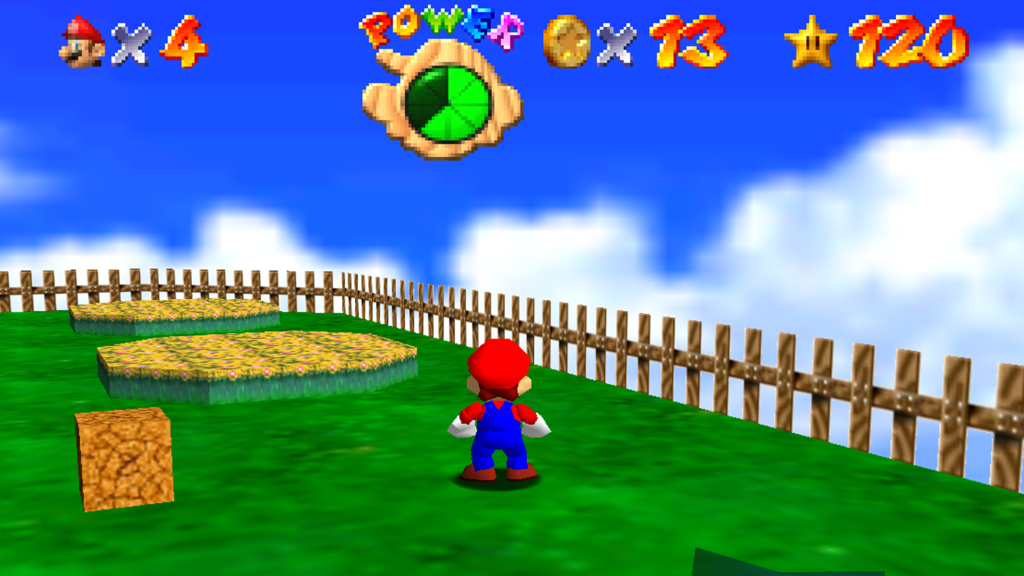
If Super Mario Bros. defined 2D platformers, Super Mario 64 revolutionized 3D game design entirely. Released alongside the Nintendo 64 in 1996, the game faced an enormous challenge. Developers across the industry were still figuring out how to transition gameplay into three dimensions successfully. Super Mario 64 solved many of those problems immediately and became an instant classic, with some still naming it the best 3D Mario game ever made.
The analog stick movement gave players precise control over Mario, while the camera system introduced ways to navigate 3D spaces that felt intuitive at the time. The game’s open-ended level structure also encouraged exploration rather than strict linear progression. Nearly every major 3D platformer released afterward borrowed ideas from Super Mario 64. Games adopted hub worlds, collectible-driven progression, movement-focused gameplay, and freeform exploration because Nintendo demonstrated how effective those systems could be.
The game also influenced player expectations. Before Super Mario 64, many gamers simply wanted functional 3D gameplay. After its release, players expected depth, freedom, and responsive controls in 3D environments. That shift raised the standard for the entire industry. It is impossible to discuss influential platformers without acknowledging how dramatically Super Mario 64 changed gaming itself. Even today, we have games that take direct inspiration from this classic game and feature its retro gameplay.
1) Super Mario Bros.
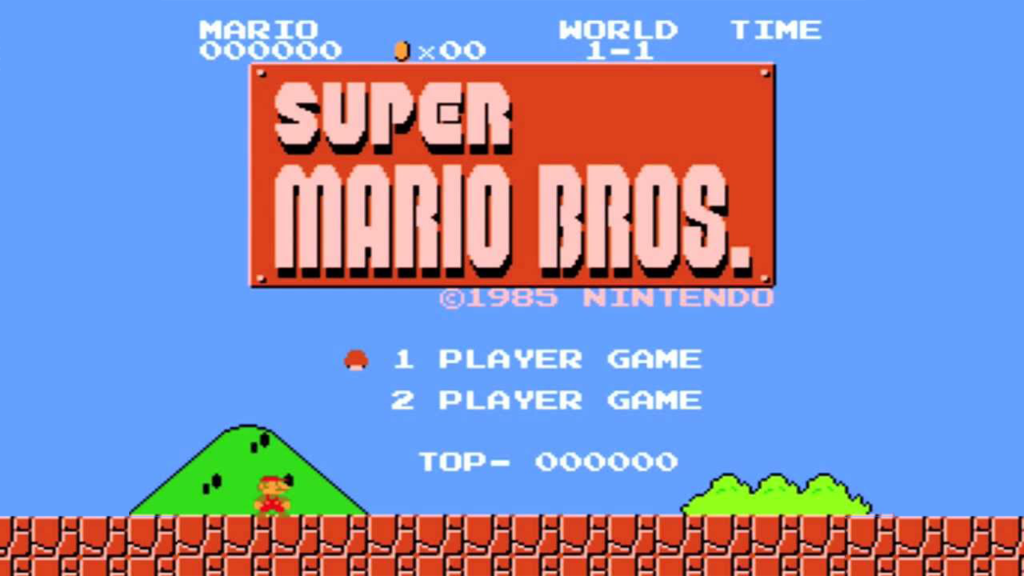
The influence of Super Mario Bros. on platformers cannot be overstated. When it launched the NES in 1985, it established many of the core design principles that still define the genre today. Smooth side-scrolling movement, momentum-based jumping, hidden secrets, power-ups, and carefully designed level progression all became genre standards because of this game. Developers across the industry borrowed from it for years afterward.
One reason the game remains so influential is how approachable it felt. The opening level quietly taught players the mechanics without lengthy tutorials. Many modern game designers still reference World 1-1 as one of the greatest examples of environmental teaching in gaming history. Players learned to jump, avoid enemies, and discover secrets naturally through play. The Goomba in this level has one of the highest player kill counts simply because of how it teaches you to be aware of the game’s systems.
It is difficult not to admire how timeless the game still feels. Returning to Super Mario Bros. today, the controls remain responsive and satisfying despite being four decades old. That kind of longevity only happens when a game’s core design is exceptionally strong. The original Mario truly set the stage for platformers moving forward. And Nintendo has not dropped the pace when it comes to Mario games, as they each continue to be major hits.
What do you think? Leave a comment below and join the conversation now in the ComicBook Forum!
More Gaming
-
Image Courtesy of Dreamworks -
Image Courtesy of Electronic Arts -

Image Courtesy of Electronic Arts