For decades, the competitive shooter landscape has evolved through sweeping trends. Multiplayer shooters have long been one of the most popular genres, and new players today often focus on recoil control, movement tech, or mastering loadouts, but veterans know there was once another essential skill that separated casuals from killers. Older shooters demanded not only the ability to keep an eye on their surroundings, but also the corner of their screen at the same time.
Videos by ComicBook.com
Radar was once a crucial component of multiplayer shooters. Games like Halo 3 required you to monitor your movement while also looking for pings on your radar. It was once a staple of the genre, but in today’s era of multiplayer shooters, the mechanic has mostly faded away. Modern shooters lean heavily on spatial audio, directional pings, and simplified threat indicators. But years ago, every competitive player had to master one crucial talent: reading and interpreting the ever-present radar.
Old-School Shooters and the Dominance of Radar
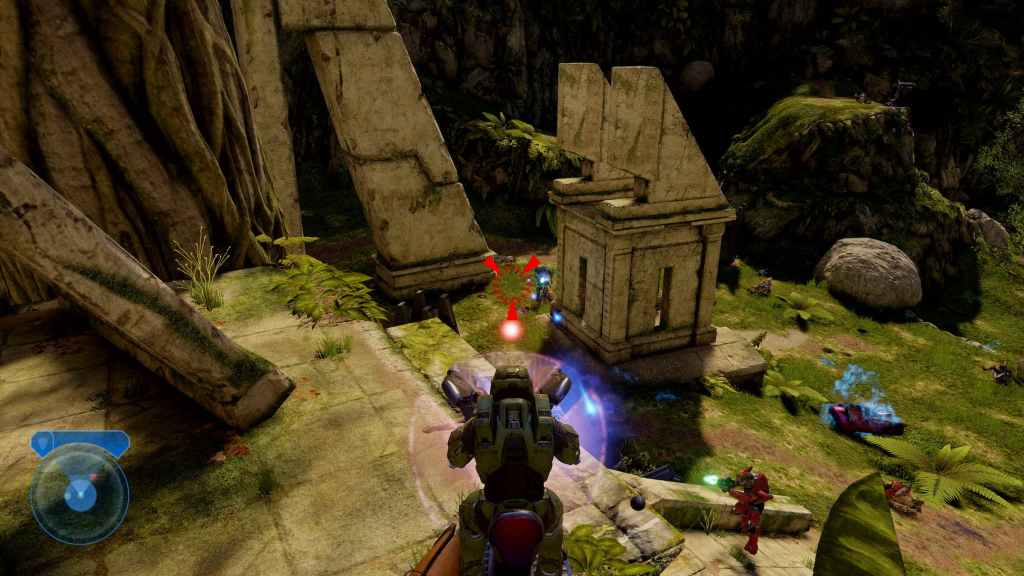
In classic shooters like Halo 2, Call of Duty 4: Modern Warfare, and even Counter-Strike 1.6 with its minimalist radar elements, learning the radar wasn’t optional: it was practically mandatory. If you wanted to survive, you had to develop a sixth sense for player positioning based on an abstract 2D circle in the corner of your screen. It also meant you had to master your own positioning, movement, and gunfire to minimize detection.

I remember spending entire nights trying to understand exactly how Halo’s motion tracker reacted to different speeds of movement. If a player crouch-walked, they disappeared. If they sprinted or jumped, they lit up. The best players weren’t simply reacting; they were predicting, using the radar to anticipate flanks, identify power-weapon rotations, and time pushes down to the second.
Call of Duty refined this into a system built around counterplay tools. UAVs, silencers, and perks like Assassin or Ghost created a push-and-pull dynamic: reveal the enemy team or disappear from detection. Halo offered its own counterplay through Invisibility power-ups. This wasn’t just map awareness; it was a meta-game between players trying to reveal information and players trying to hide it.
What made radar so important was its blend of strategy and psychology. A single red dot wasn’t just a location. It was information: someone just fired, someone just sprinted, someone was stuck on the wrong side of the map, and if you were fast enough, you could capitalize. That type of awareness shaped entire generations of shooter players.
Why Radar Disappeared From Modern Shooters
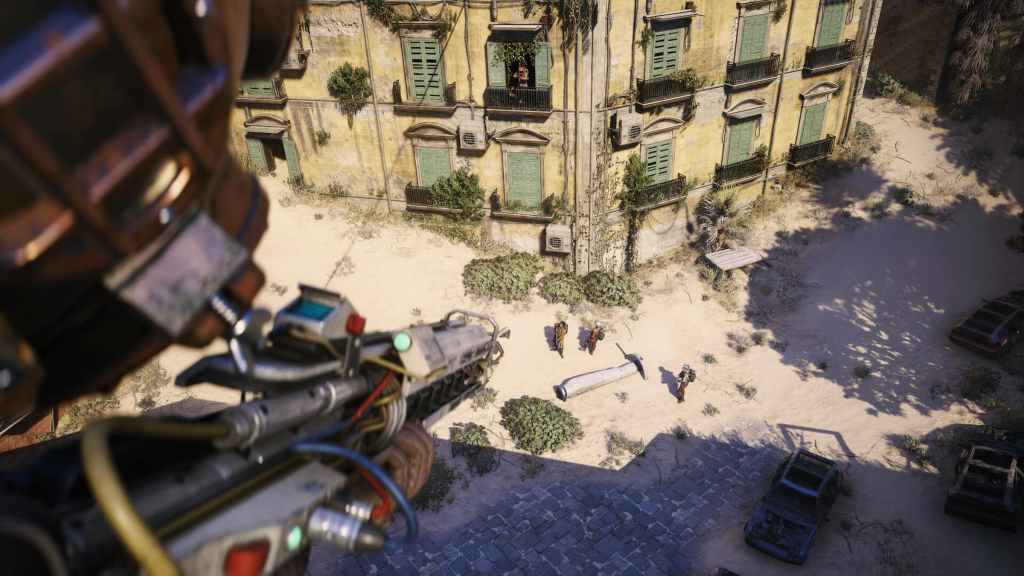
As shooters evolved, radar systems quietly began slipping away, replaced by new design philosophies that emphasized environmental immersion and reactive combat. Developers wanted players to look forward, not up or down at the corner of their screen. And so the radar mechanic began to fade, replaced by tools that felt more organic and cinematic.
One of the biggest shifts was audio. Spatial audio became so advanced that developers could finally allow players to rely on sound alone. Footsteps, reloads, sliding, and even breathing became detection tools. Games like Apex Legends, Warzone, and Valorant built their entire combat readability around sound clarity rather than radar interpretation. Playing Arc Raiders, it feels so natural to rely on audio cues rather than looking for pings on a radar.
But it went deeper than that. The rise of fast-paced shooters meant developers didn’t want players camping while staring at a minimap. They wanted fluid engagements, constant rotation, and action dictated by instinct rather than icon-watching. In other words, radar slowed the game down. Counterplay mechanics also shifted. Instead of perks that counter radar, modern shooters introduced abilities, hero roles, and movement tech as methods of outplaying opponents.
Developers removed the need for this specific skill, and a generation of players grew up never needing to interpret a minimap under pressure. It wasn’t intentional sabotage; it was simply the natural evolution of multiplayer design.
Is There Still a Place for Radar in Future Shooters?
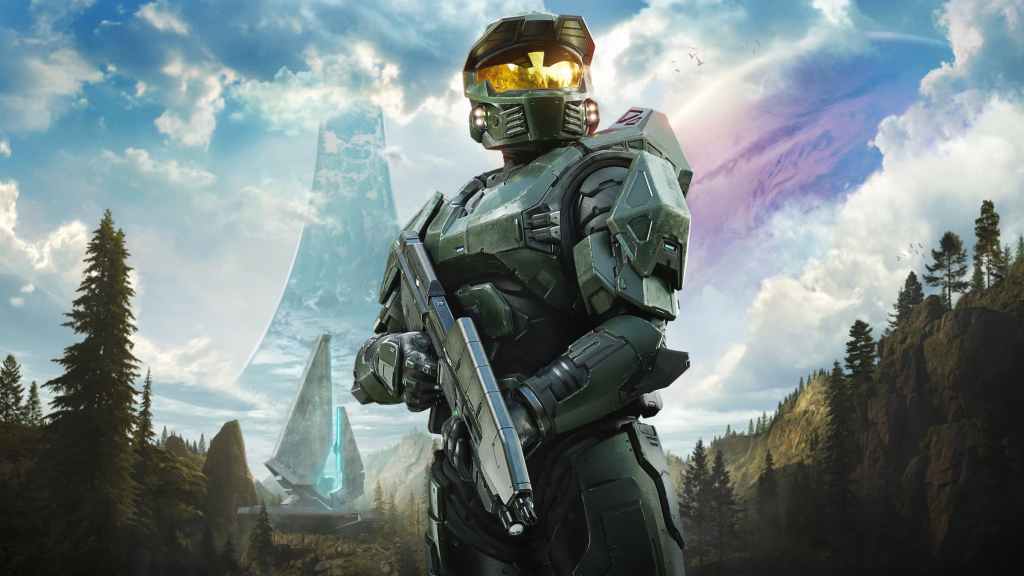
Despite disappearing from mainstream releases, radar hasn’t vanished entirely, and there are strong arguments for its return. Radar provided a unique layer of strategy that modern shooters often lack: information warfare. Positioning, noise discipline, timing, and reading team movement patterns all played a massive role in high-level radar usage. The upcoming Halo multiplayer game will almost certainly have radar, just as Splitgate 2 features it.
There’s something fascinating about how radar forced players to think. It trained players to multitask, to anticipate unseen threats, and to track the entire flow of a match. Modern shooters, for all their polish, rarely require that level of abstract awareness. They want you in the fight, not analyzing it. This often boils down to running toward the sound of gunfire or pausing when you hear footsteps. But I believe radar still has a future, especially in tactical shooters and competitive modes. It’s a tool that adds depth without adding complexity.
A simple circle showing vague player positions can fundamentally change how teams coordinate and move across a map. Imagine a modern extraction shooter or 6v6 arena game that brings back a refined, strategically meaningful radar system. The skill ceiling would rise dramatically, offering a new way for experienced players to distinguish themselves. At the same time, radar doesn’t have to dominate the screen the way it once did. Developers could integrate hybrid systems that offer ways to disrupt radar.
These design ideas could bring back the best parts of the old mechanic while respecting modern pacing and accessibility expectations. As shooters continue to experiment with deeper tactical layers, it wouldn’t be surprising to see a new generation of designers rediscover what made radar-based awareness so compelling in the first place
What do you think? Leave a comment below and join the conversation now in the ComicBook Forum!
Most Viewed
-

Image Courtesy of Amazon MGM Studios -

Image courtesy of Marvel Studios -

Image courtesy of PerBlue