As one of the most iconic series built on globe-trotting adventure, Tomb Raider has always been surprisingly selective about where it truly lingers. Over nearly three decades, Lara Croft has explored frozen wastelands, sunken cities, forgotten jungles, and ancient ruins across the world. Yet in 30 years, the franchise has often returned to the same cultural touchstones: Mesoamerican temples, Greco-Roman relics, and familiar lost civilization imagery that players instantly recognize. It works, but over time, it has also narrowed the sense of discovery I associate with the series.
Videos by ComicBook.com
That’s why I am excited for Tomb Raider: Catalyst, and not just because of new mechanics and a visual overhaul. But for the first time since a brief, almost forgotten moment in 1998, Lara Croft is heading to a location seldom explored in gaming: India. What was once a short introduction in Tomb Raider III now has the potential to be a meaningful focal point when Tomb Raider: Catalyst arrives in 2027, and it could signal a much-needed evolution for the series.
Lara Croft’s Return to India
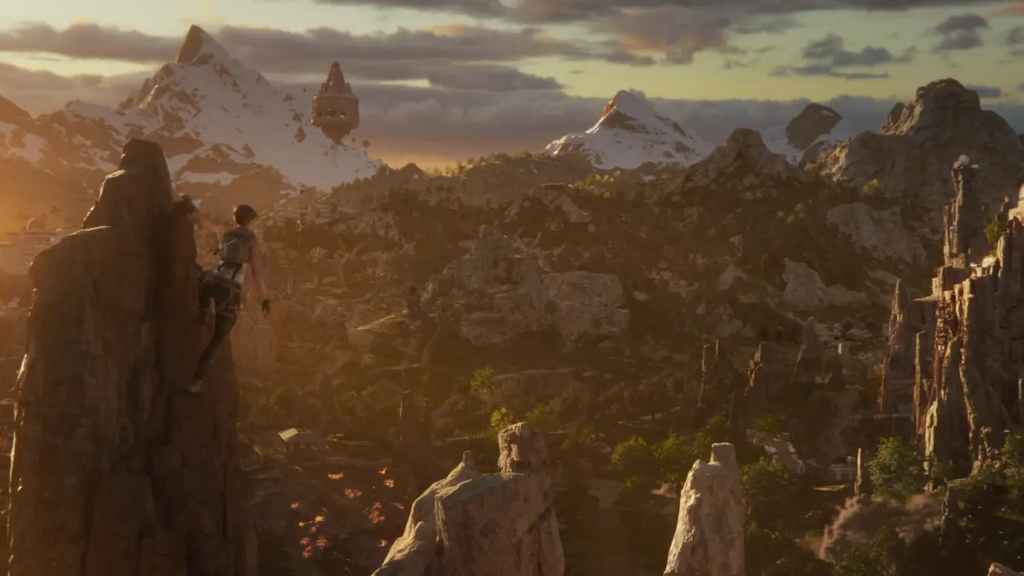
India has an oddly small footprint in Tomb Raider history. The only time Lara Croft has ever set foot there was during the opening sequence of Tomb Raider III in 1998. That short introduction stood out at the time, featuring dense jungle environments and ancient ruins steeped in mystery, but it was over almost as quickly as it began. After that, the series moved on, and India quietly vanished from Lara’s world.

Tomb Raider: Catalyst is poised to change that in 2027 by revisiting India in a far more substantial way. This isn’t a fleeting prologue or a visual curiosity, as the game is set in Northern India. Players will explore new territory as they uncover the narrative of a mythical cataclysm, ancient secrets, and a mysterious force that has awakened. In typical fashion, Lara races against time to uncover buried truths and stop those who would use this power for malicious purposes. But what makes this truly exciting is the return to India and the untapped potential it brings.
India offers a blend of environments and history that feel tailor-made for Tomb Raider. From ancient temples hidden in jungles to centuries-old cities shaped by mythology and religion, it presents opportunities for exploration that go far beyond the familiar ruins players have seen countless times before. Bringing Lara Croft back to India feels like the franchise reconnecting with its adventurous roots, where the unknown truly felt unknown. I cannot wait to see what tombs, temples, and dungeons await, and what platforming and puzzle changes lie in store.
Why India as a Setting Matters in Tomb Raider and Gaming

India is one of the most underutilized settings in mainstream video games, especially when it comes to big-budget action-adventure titles. Considering its vast history, diverse geography, and deep mythological traditions, that absence is striking. When games do explore India, they are often rare exceptions rather than part of a broader trend.
A few notable titles have made the attempt. Raji: An Ancient Epic is perhaps the best-known example, drawing directly from Hindu mythology to create a visually striking and culturally grounded experience. Uncharted: The Lost Legacy briefly explored India as well, offering a taste of what a fully realized setting could look like in a blockbuster game. Beyond these, however, the list becomes surprisingly short. Perhaps future titles, like Raji: Kaliyuga and Unleash the Avatar, could change this and bring more attention to one of the world’s most fascinating regions.
That scarcity is exactly why Tomb Raider: Catalyst setting part of its adventure in India matters. Tomb Raider has always thrived on myth, archaeology, and ancient stories, but it has often relied on the same cultural frameworks. India’s mythology, rich with gods, epics, cycles of creation and destruction, and spiritual symbolism, offers a fresh narrative palette. It introduces themes that align naturally with Tomb Raider while still feeling unexplored in gaming.
There’s also a broader industry impact to consider. When a major franchise like Tomb Raider chooses a setting rarely seen in games, it sends a message. It suggests that audiences are ready for new cultural perspectives and that developers are willing to take creative risks. If handled thoughtfully, this could help normalize India as a setting rather than treating it as a novelty, and see more games use the area and beliefs for inspiration. A change from medieval Europe would certainly be a welcome change.
Tomb Raider Needs to Explore New Ideas
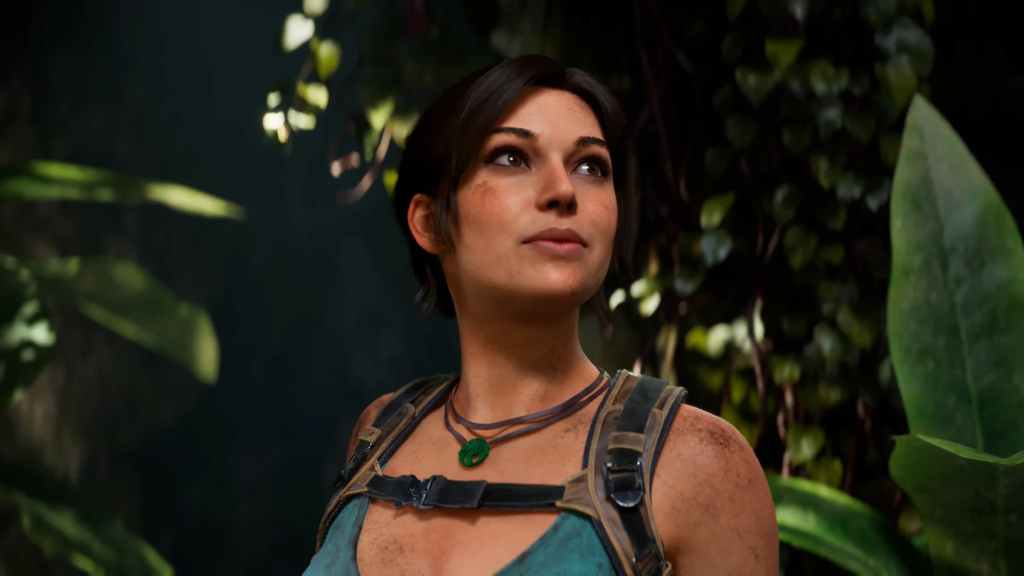
After nearly 30 years, Tomb Raider faces the same challenge as many long-running franchises: how to evolve without losing its identity. The recent reboot trilogy redefined Lara Croft with a heavier focus on survival and realism, but it also left some fans yearning for a stronger sense of wonder and myth. Tomb Raider: Catalyst returning to India could be the logical next step for one of gaming’s most iconic heroines.
Exploring a setting like India naturally encourages new ideas. Its mythology isn’t just about hidden artifacts; it’s about morality, fate, cycles of time, and humanity’s relationship with the divine. These themes could push Tomb Raider into deeper storytelling territory, giving players more than just another hunt for a powerful relic. It could deliver a narrative that truly changes players’ beliefs and offers hard choices they must make as Lara.
From a gameplay perspective, India’s diverse landscapes could inspire more inventive level design. Jungles, ancient ruins, spiritual sites, and historic architecture all offer opportunities for puzzles, traversal, and exploration, but these have been done time and time again. However, if Crystal Dynamics leans into Indian culture and myth, it could make these more unique and distinct from anything the series has done before. This variety could help Tomb Raider feel less formulaic and more adventurous again.
Most importantly, choosing India shows a willingness to move forward rather than simply repeat the past. It acknowledges that for Tomb Raider to remain relevant, it needs to surprise players. Not just with new technology, but with new ideas, new settings, and new stories worth uncovering.
Tomb Raider: Catalyst doing something the franchise hasn’t done in almost 30 years isn’t just a fun piece of trivia, but a meaningful creative decision. By returning to India in 2027, Tomb Raider has the chance to tap into a setting and mythology that gaming has barely explored, while reminding fans why Lara Croft’s adventures once felt so thrilling. If executed well, this return could mark the beginning of a bold new chapter for one of gaming’s most iconic franchises.
What do you think? Leave a comment below and join the conversation now in the ComicBook Forum!
More Gaming
-

Image Courtesy of Sony Interactive Entertainment -

The Cube in The Block