The games industry is in a strange, uncomfortable place right now. Studios keep promoting new AI ideas like players should be thrilled, but the reality is that most people are already exhausted by the entire conversation. The attitude around AI has shifted from open curiosity to a very clear frustration, because too many companies have pushed it into areas where it does not belong. Players can instantly tell when something has been automated, especially when it replaces the emotional or creative parts of a game. Nobody wants to feel like the human touch is being quietly removed so a studio can save time or money.
Videos by ComicBook.com
That shift in attitude is exactly why Ubisoft’s recent AI reveal landed so poorly. The timing could not be worse. The industry is in the middle of a massive backlash where fans are calling out every lazy or careless AI decision they see. Each new AI misstep from other major studios has made players even more sensitive to anything that sounds like creativity being replaced instead of supported. Ubisoft walked straight into a pit with a reveal that puts AI front and center, and it immediately clashed with the worries players already have.
Ubisoft Pushes AI At The Worst Possible Time
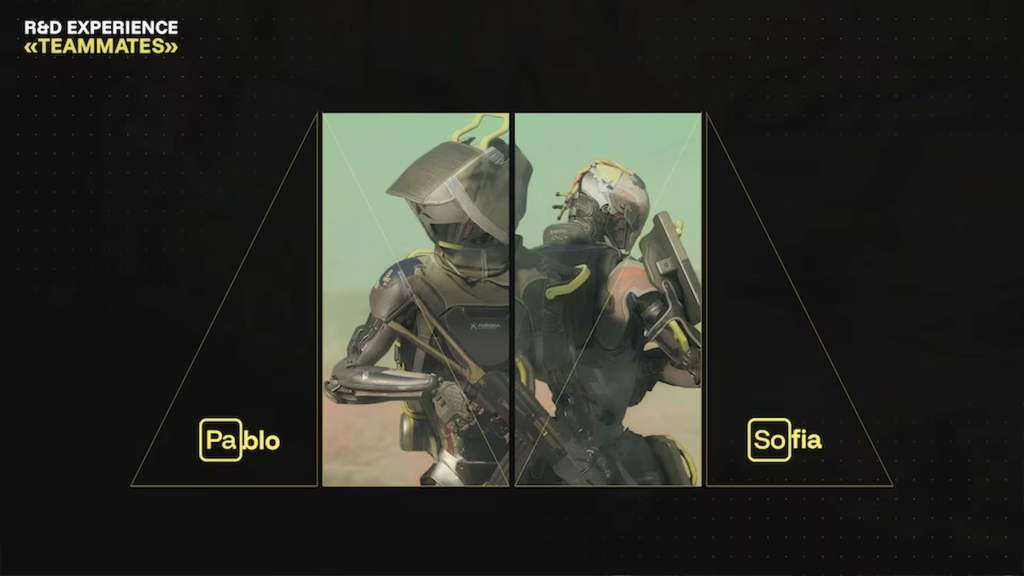
The experimental project Ubisoft showed off is called Teammates, and it revolves around AI companions that react to player commands in more natural ways. On paper, that might not be a terrible idea. In fact, if introduced the right way, it could become a tool that makes certain parts of a game smoother or more interesting. But Ubisoft showed it off at a time when players are tired of hearing about AI as a replacement for real creative labor. Because of that, even a potentially decent idea gets buried under the frustration people already feel, and the reaction ends up being more about timing than anything else.
Players are not calling for AI to vanish completely. They simply want AI used in ways that support developers instead of pushing them aside. AI can absolutely help with repetitive tasks or internal tools that speed up development without touching the actual creative work that players see and care about. The problem comes when studios use it for writing, acting, or art that should come from a human touch to have a human emotional response. When fans see AI in those spaces, it feels like studios are choosing automation over authenticity. And when a publisher acts like the move is some kind of breakthrough, players see through the lie instantly and lose trust.
That frustration hits even harder now because the industry is going through major layoffs, especially in departments full of people whose jobs AI tries to mimic. Writers, artists, actors, and narrative teams are being cut, while companies continue rolling out new AI-driven features like nothing is happening. Even if Ubisoft did not intend it, the timing makes it look like automation is taking priority over real workers. It creates a message that is impossible to ignore. Announcing a feature like this right after thousands of developers lose their careers makes everything feel disconnected from the reality the industry is facing.
Why Ubisoft’s Timing Is So Off

All in all, the core issue is simple. Ubisoft picked a moment when players trust AI the least, and then doubled down on promoting an AI-first idea without acknowledging the concerns everyone is already talking about. AI does have a place in game development, but only when it is controlled and curated with intention, directed in ways that do not replace the creative people who shape what games feel like. Without clear boundaries, any AI reveal is going to be met with skepticism. Ubisoft did not establish those boundaries at all, which leaves you feeling like the announcement ignored everything they have been warning studios about.
Players want studios to be open about how AI is being used. They want real transparency about what is automated and what remains in human hands. More than anything, they want reassurance that AI will not touch the heart of a game, because the emotional and artistic sides of development cannot be faked. When a reveal focuses entirely on what AI can do, without showing how human developers guide and limit it, players assume the worst. Ubisoft’s reveal fell right into that category, and the reaction shows exactly how much trust has already been lost across the entire industry.
If Ubisoft had taken a slower approach, acknowledged the current climate, or even waited until the conversation around AI had cooled down, the announcement might have landed in a completely different way. But dropping it now only highlights the disconnect between what players want and what certain publishers think players want. AI can work in games, but only when it is handled with strict oversight and full respect for the human talent behind the scenes. Until studios treat AI as a carefully guided support tool instead of a flashy replacement, announcements like this will keep facing the same backlash. Ubisoft just happened to pick the worst possible moment to learn that lesson.
What do you think? Leave a comment below and join the conversation now in the ComicBook Forum!
Most Viewed
-

Image courtesy of Paramount -

Image Courtesy of Disney -

TMS Entertainment