There’s no denying that Baldur’s Gate 3 is a masterclass in writing, with its main story, characters, and detailed world-building creating one of the best RPGs in recent memory. However, for Larian Studios’ next project, Divinity, a new approach to their writing process could leave a lot to be desired, especially with an original setting rather than one inspired by Dungeons and Dragons lore. With the promise that Divinity is Larian’s biggest game to date, the writing will be more important than ever to help it meet already high expectations.
Videos by ComicBook.com
There are flaws to the writing in BG3, especially in regards to some companion characters’ story lines. Wyll in particular serves as an example, with perhaps unfinished content to blame for the conclusion of his personal quests compared to others like Shadowheart and Astarion. With companion or origin characters likely being a big part of Divinity as they were in Divinity: Original Sin 2, that aspect of the game’s writing is sure to be given plenty of attention.
Divinity’s Writing Process Is Somewhat Different Compared To Baldur’s Gate 3
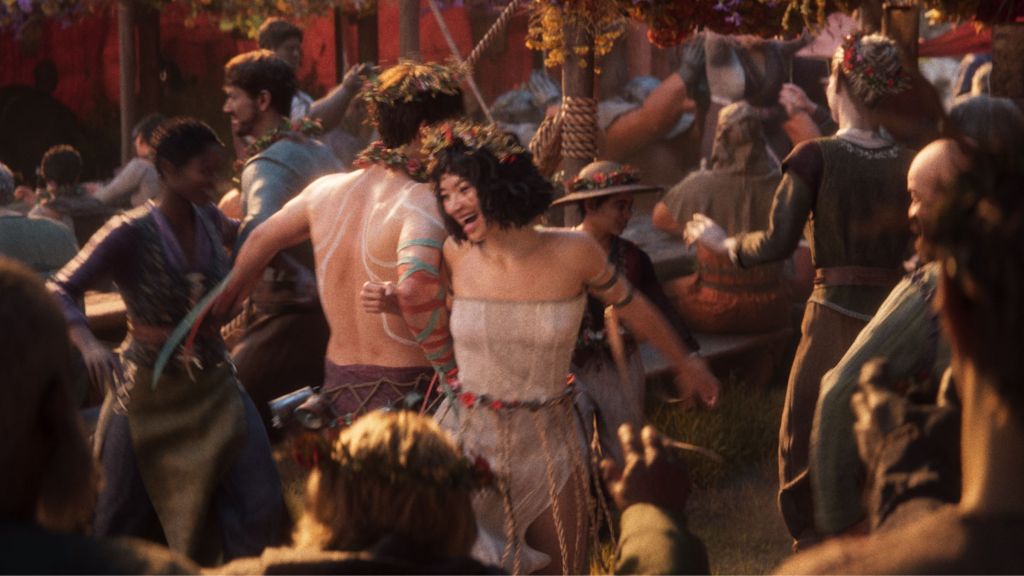
The biggest concerns surrounding Divinity right now is in regards to how its development seems to include some usage of AI for some creative processes. Some controversial statements made by Larian Studios have admitted to AI as a source for initial concept art, but that made fans incredibly concerned for where else AI might be used. One question was whether AI was involved with any of the writing for Divinity, but thankfully, these rumors were dispelled pretty quickly through a relevant interview.
A recent article from GamesRadar holds some statements from Larian Studios writing director Adam Smith, which addresses the idea of AI being used to conceptualize Divinity‘s narrative. Smith states that “we don’t have any text generation touching our dialogues, journal entries, or other writing in Divinity,” putting to bed any theories. This is great news for fans, as it confirms that Divinity will be solely based on creative ingenuity, without technology being used to generate or experiment with anything related to the writing.
That being said, Divinity‘s writing is still slated to be far different from Baldur’s Gate 3 in a variety of ways. For starters, the trailer for Divinity already showcases a far more brutal setting than BG3, without many of the restrictions that come with basing your game in D&D‘s pre-established world. The foundation of Divinity‘s setting has a lot of foundation to make sure Larian’s writing team doesn’t start from scratch, but as a seemingly independent game from others in its series, ideation is more important than ever.
Due to the popularity of BG3, the writing of Divinity is also likely to be scrutinized more than any other game Larian Studios have ever produced. With the promise of Divinity being even deeper of an RPG than BG3, the writing will need to have greater detail and weight too. In the same GamesRadar article, Smith says that there “are great many eyes and hands” that touch any piece of text, so the layers to the writing of Divinity may already be deeper than players expect.
Baldur’s Gate 3’s Writing Was A Major Reason Why The RPG Was So Beloved
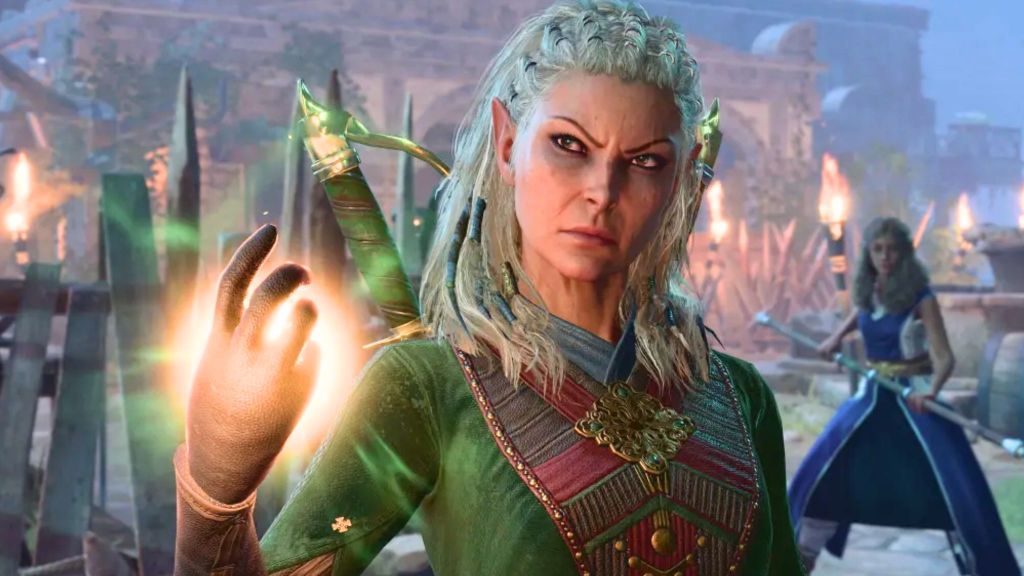
To enforce Larian’s stance on AI further, Adam Smith also was also asked whether generative text was good as a placeholder to help game production. In simple words, Smith said “It doesn’t.” This is a testament to how both Divinity and Baldur’s Gate 3‘s are both games that demand tons of creativity in their writing to work. Smith even states that “We had a limited group experimenting with tools to generate text, but the results hit a 3/10 at best,” suggesting that there has been no substitute in game’s writing for creative effort.
Fans tend to forget how long Baldur’s Gate 3 was in Early Access, with much of its writing changed through multiple iterations over multiple patches. Even after the game was released, BG3 had additional updates that added new dialogue, endings, and more into the narrative after players have already reached the credits. All of these factors combined to make BG3 likely the deepest RPG of the last decade, a trait that could easily be shared with Divinity if the same practices are used for its development.
With rumors surrounding AI dispelled, the collaborative process for Divinity is sure to be intensive, but it remains to be seen if they will reach the same level of writing depth as Baldur’s Gate 3, especially if they are trying to release the game faster than the 2023 Game of the Year winner. In the current age of ChatGPT and other generative software, it’s easy to make mistakes, but fans will have to hope that Larian continues to recognize what made Baldur’s Gate 3 so special in its writing and carry it into their next project.
Do you think Divinity will have the same caliber of writing as Baldur’s Gate 3? Leave a comment below or join the conversation in the ComicBook Forum!
Most Viewed
-

Image Courtesy of A-1 Pictures -
Courtesy of Cartoon Network -

Image Courtesy of Ufotable