Few series have been able to reinvent themselves as often and successfully as Final Fantasy. From turn-based classics to MMOs and action RPGs, the series has continually offered new worlds, characters, and gameplay systems to enjoy. Some of the greatest RPGs of all time belong to this franchise, but it has had its share of missteps. Debates over games like Final Fantasy XIII and Final Fantasy XV continue to this day; yet one of the franchise’s most controversial entries arrived in a format that many longtime fans never expected: the mobile market. Yet despite its rocky reputation, this particular chapter in Final Fantasy history did find some success.
Videos by ComicBook.com
In 2016, Final Fantasy Brave Exvius launched globally on June 30 and quickly became one of the best mobile RPGs. Developed by Alim and published by Square Enix, the game combined traditional Final Fantasy aesthetics with modern mobile monetization systems. It attracted millions of players while simultaneously drawing criticism for its aggressive gacha mechanics and monetization practices. Despite that controversy, the game’s early story content was some of my favorite in the series, and now, nearly a decade later, Final Fantasy Resonance appears poised to give this divisive entry a second chance through what looks to be an ambitious HD-2D remake and expansion.
Final Fantasy Brave Exvius Had One of the Strongest Starts in Mobile RPG History
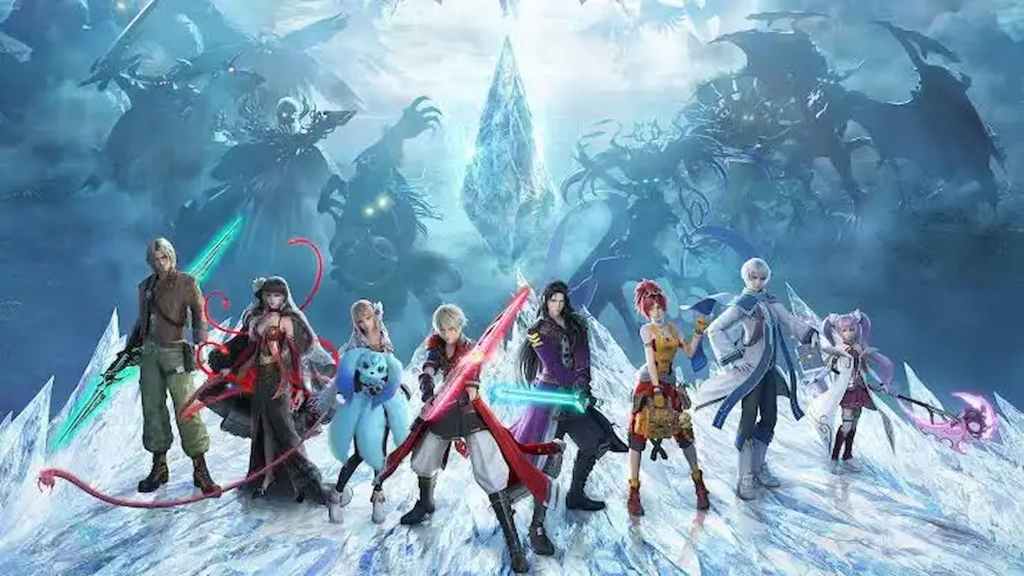
When Final Fantasy Brave Exvius first launched in Japan in 2015 and later worldwide in 2016, expectations were mixed. Many major gaming franchises had dipped into the mobile gaming market with varying success. However, Final Fantasy Brave Exvius immediately distinguished itself through its presentation. The game embraced classic pixel art aesthetics while incorporating cinematic attacks, familiar summons, and a combat system that felt reminiscent of traditional Final Fantasy titles. For many players, it captured a sense of nostalgia while feeling modern at the same time.
The game’s original storyline also proved to be a major strength. Following protagonists Rain, Lasswell, and Fina, the narrative offered a surprisingly substantial adventure filled with political intrigue, emotional character moments, and the type of world-building that longtime Final Fantasy fans expected. The first two seasons, in particular, perfected the balance between classic storytelling conventions and the conventions of an ongoing service seen with mobile RPGs. During its peak years, the game regularly generated hundreds of millions of dollars in revenue globally and maintained a passionate player base.
I myself have never been very big into mobile gaming, yet downloaded Final Fantasy Brave Exvius out of curiosity. Like many, I was skeptical of a mobile Final Fantasy, but was pleasantly surprised. Within a few hours, I found myself invested in its characters and surprisingly tactical combat system. It felt like a game that genuinely respected the franchise’s history while trying to do its own thing. I stuck with the game, glued to my phone for its first two seasons, but sadly, like other fans, I was there for the game’s decline.
Aggressive Monetization and Declining Story Quality Hurt Its Legacy
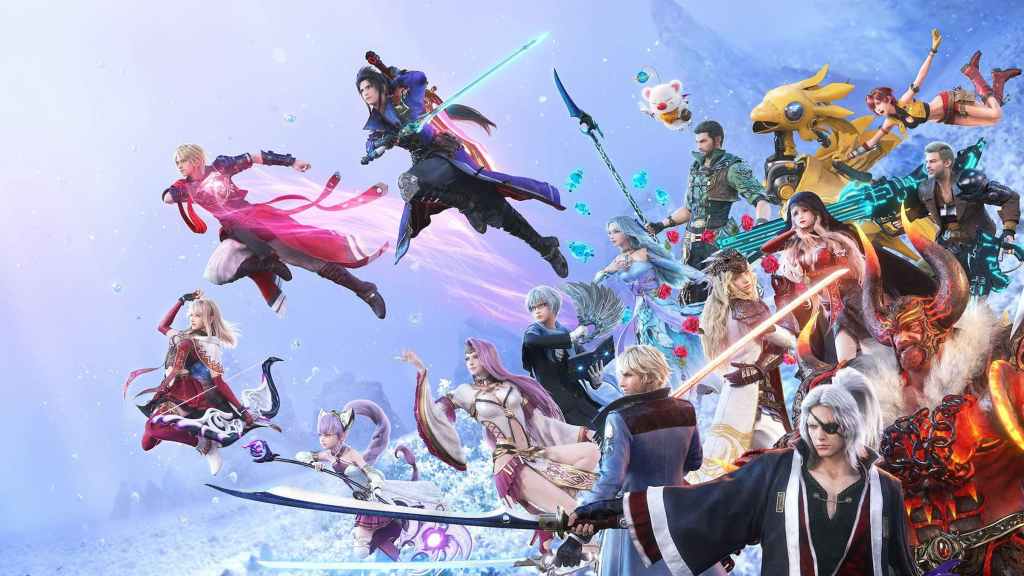
While Final Fantasy Brave Exvius enjoyed some early success, it wasn’t without controversy. The game’s gacha mechanics, which relied heavily on randomized character acquisition through premium currency, drew criticism from players and left many unwilling to try the game as a result. Obtaining powerful units often required spending real money, creating frustration among players to remain competitive or collect favorite characters.
These concerns intensified as the game evolved. New rarity tiers and increasingly powerful characters accelerated power creep, a common criticism of live service games. Events and banners arrived at a rapid pace, encouraging continued spending while simultaneously creating FOMO among players trying to keep up with the game’s expanding roster. While monetization controversies were hardly unique to Final Fantasy Brave Exvius, the game’s association with one of gaming’s most beloved franchises amplified criticism significantly, especially when fan favorite characters were locked behind it.
At the same time, the narrative saw an immediate decrease in quality after its second season. While the early chapters had earned praise for their storytelling and character development, later content struggled to maintain the same level of engagement. While fans were excitedly discussing the game’s story and characters at first, Final Fantasy Brave Exvius’ direction with season 3 and beyond saw this shift to concerns about monetization, power balance, and the overall direction of the game. For many players, Final Fantasy Brave Exvius became an example of a title that had started with enormous potential before gradually losing its way.
Final Fantasy Resonance Could Finally Redeem a Divisive Classic
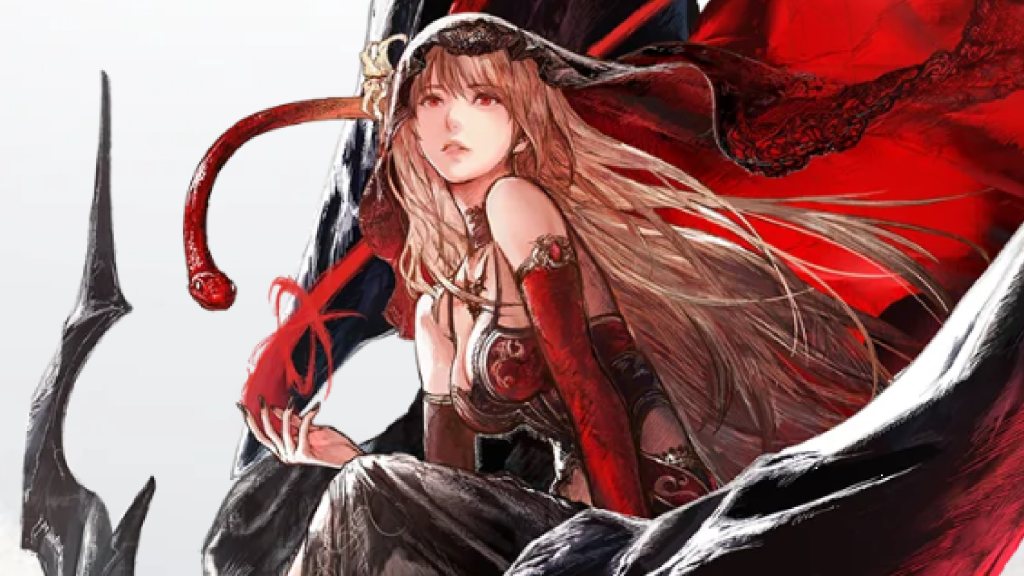
Final Fantasy Brave Exvius has a strange history, but its origins have me and many other RPG fans beyond excited for Final Fantasy Resonance. Rather than simply re-releasing the original mobile experience, Square Enix is creating an expanded and reimagined version of Final Fantasy Brave Exvius. The story looks to be directly following, with some twists, the first two seasons of Brave Exvius, which was easily its strongest narrative. Beloved characters like Rain, Lasswell, and Fina return, leaving me hopeful that we will get to see continued and new chapters of their lives.
The most exciting aspect is the game’s visuals. Final Fantasy Resonance is the first entry in the franchise to fully embrace Square Enix’s HD-2D visual style, popularized by titles such as Octopath Traveler, Triangle Strategy, and the Dragon Quest III HD-2D Remake. The aesthetic choice feels particularly appropriate given Final Fantasy Brave Exvius‘s roots in classic pixel art design. This is combined with gorgeous cinematics that take from modern Final Fantasy games to create something that appeals to modern and classic fans.
As excited as I am for the game, there are other reasons to hope Final Fantasy Resonance succeeds. If the game proves to be a hit, it opens the door for other Final Fantasy games to be remade in the same artstyle. I’m dying for an HD-2D remake of Final Fantasy VI, and this could be the start to this happening. Not only that, but we could see other beloved classics like Chrono Trigger follow as well. Nearly a decade after its global debut, Final Fantasy Brave Exvius may finally receive the recognition that its strongest ideas always deserved and pave the way for a new era of Square Enix RPGs.
What do you think? Drop a comment below and join the conversation now in the ComicBook Forum!
More Gaming
-
Courtesy of Activision -
Image Courtesy of Epic Games Publishing