Nintendo’s identity has always been built on reinvention. Few companies have managed to keep decades-old characters relevant while continuously reshaping how people play games. From side-scrolling platformers to open-world adventures, Nintendo’s biggest franchises rarely stay the same. New gameplay mechanics, visual styles, and stories are shared through every new release, at least with most of Nintendo’s core franchises. Most of these see regular releases, but there are exceptions.
Videos by ComicBook.com
For many longtime fans, that conversation inevitably leads back to Star Fox. Once a pillar of Nintendo’s identity during the SNES and Nintendo 64 eras, the space shooter series has been missing in action for far longer than feels acceptable. As 2026 approaches, the silence around Fox McCloud is becoming impossible to ignore.
Star Fox Has Been Absent for Almost a Decade
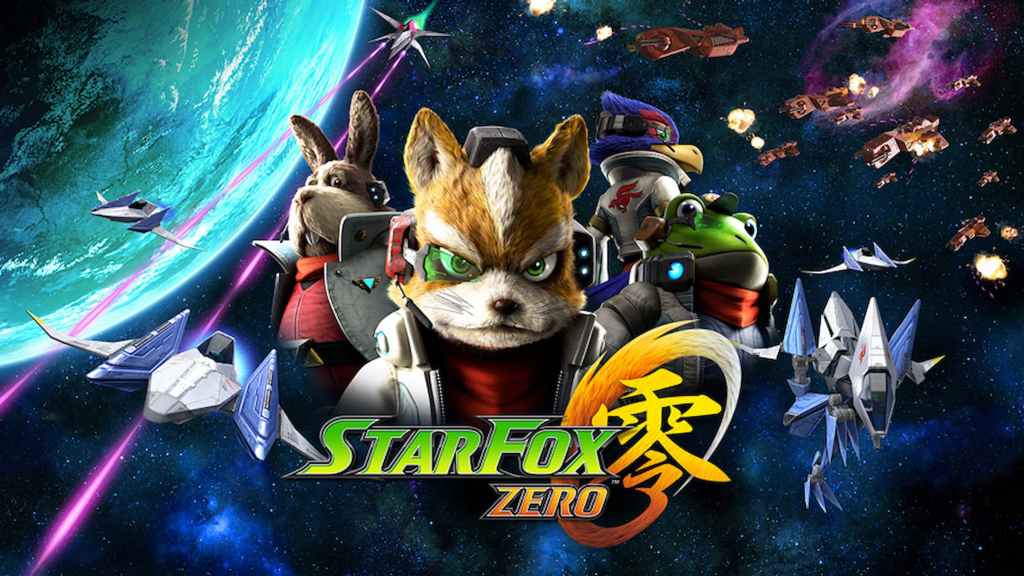
Star Fox has not received a brand new entry since Star Fox Zero launched on Wii U in 2016. That release, developed in collaboration with PlatinumGames, attempted to reimagine the series using dual-screen motion controls and a cockpit view layered over the traditional third-person perspective. While ambitious, it struggled to find an audience and became closely associated with the Wii U’s broader issues. Since then, the only release the series has seen is Star Fox 2 via Nintendo Online. However, this was a canceled game from 1995 that was finally released two decades later.

That means 2026 will officially mark ten years without a new Star Fox game. For a franchise once positioned alongside Mario, Zelda, and Metroid, that gap feels especially relevant. During the Nintendo Switch generation, nearly every major Nintendo property received new life. Even niche or long-dormant series such as Pikmin and Famicom Detective Club returned. Star Fox did not, and fans have only seen Fox McLeod in Super Smash Bros. Ultimate.
This is especially sad considering how few space-faring sci-fi titles Nintendo has. Even Metroid, its other sci-fi series, took eight years to release Metroid Prime 4: Beyond. Compared to other franchises like Mario and Zelda, it is odd. Nintendo has taken risks and revived forgotten series like Kirby Air Riders, so one has to wonder where Nintendo’s best pilot has disappeared to.
Where Did It Go Wrong for Fox McLeod?

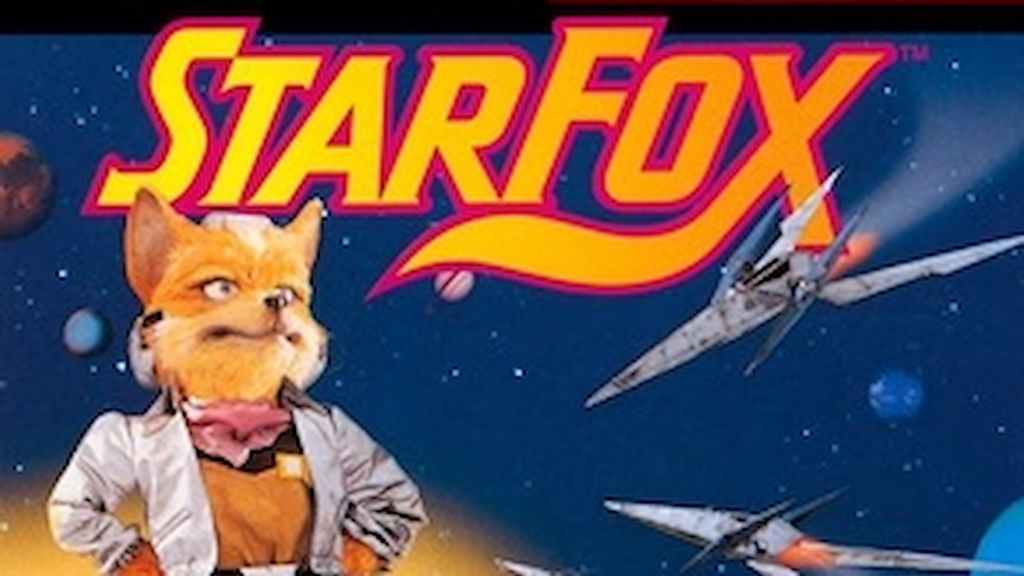
Star Fox’s struggles are not about a lack of love. They are about identity. From the beginning, the series was tightly linked to hardware experimentation. The original Star Fox pushed the Super FX chip. Star Fox 64 showed off rumble and voice acting. Star Fox Zero attempted to justify the Wii U GamePad, and we don’t talk about Star Fox Adventures. Each entry tried to solve a technical problem as much as a creative one.
That approach worked until it did not. As the industry moved away from hardware gimmicks and toward refined experiences, Star Fox remained stuck trying to reinvent its controls rather than evolve its core gameplay. Fans repeatedly asked for a modern take on classic on-rails shooting with expanded mission variety, meaningful progression, and optional open space exploration. Instead, they received experimental control schemes that made the games harder to enjoy.
Narratively, the series also struggled to move forward. Repeated retellings of the Lylat Wars left little room for character growth. Fox, Falco, Peppy, and Slippy remained the same, transforming from beloved characters to caricatures compared to Nintendo’s other IPs. Without meaningful story evolution, the franchise felt frozen in time while the genre evolved. Nintendo seemed unable, or unwilling to bring the series forward, and it has largely remained in the past.
The Nintendo Switch 2 Needs to Revive Star Fox
While Nintendo hesitated, other developers stepped in. Ubisoft’s Starlink: Battle for Atlas was perhaps the most direct attempt to modernize the Star Fox formula. Ironically, its Nintendo Switch version included Fox McCloud as a guest character, complete with Arwing missions that many felt captured the spirit of Star Fox better than Nintendo’s own recent efforts.
Indie developers have also carried the torch. Whisker Squadron, created by one of the artists behind Star Fox 64, delivered fast-paced arcade shooting clearly inspired by Nintendo’s classic design philosophy. Wild Blue Skies has openly positioned itself as a love letter to Star Fox, combining colorful characters, branching missions, and nostalgic presentation aimed directly at fans longing for a revival.
Yet, Nintendo has shown almost no interest in one of its classic series. The Nintendo Switch 2 represents the perfect opportunity to fix this, and could see the revival of the generation. New hardware historically brings back Star Fox and its familiar faces. A modern Star Fox game could balance classic on-rails missions with optional open space segments. It could introduce light RPG progression, customizable Arwings, and cooperative multiplayer while keeping the tight arcade feel intact.
Narratively, the series needs to move forward. A new threat, an aging Fox McCloud, or even a passing of the torch to a new generation could give the story relevance without abandoning its roots. Nintendo has shown with The Legend of Zelda and Metroid that it can modernize long-running series without losing identity. As 2026 approaches, the tenth anniversary without a new Star Fox game feels less like a milestone and more like a tragedy.
What do you think? Leave a comment below and join the conversation now in the ComicBook Forum!
Most Viewed
-
Image courtesy of MAPPA