Path of Exile 2 is one of those games that makes you feel like you are standing on the edge of something vast and endlessly fascinating. Its world is dense with secrets, challenges, and systems that reward careful planning and experimentation. For veterans of the first Path of Exile, this is exactly the kind of depth that makes the series feel unmatched in the ARPG space. But with that depth comes a barrier for newcomers, a wall that can make even the most curious players hesitate before diving in.
Videos by ComicBook.com
What Path of Exile 2 desperately needs is a thoughtful approach to onboarding. The game’s sprawling skill tree, intricate item mechanics, and overlapping systems can overwhelm anyone stepping into Wraeclast for the first time. Even players who enjoy theorycrafting and building characters may find themselves lost in the initial hours. An onboarding system would not only guide new players through these complexities but also make the game more approachable without diluting what makes it special.
Why Path of Exile 2’s Complexity Can Be Intimidating

Path of Exile 2’s complexity is both its greatest strength and its biggest challenge. The massive passive skill tree alone is enough to make new players pause. Unlike many ARPGs that offer linear skill progression, Path of Exile 2 presents a sprawling web of nodes that can feel daunting at merely a glance. Even veterans of the original game know how easy it is to make early missteps that can significantly affect the direction of a character. While experimentation is rewarding, the first few hours can feel like trying to navigate a maze without a map.
Beyond the skill tree, the item system introduces layers of depth that can confuse even experienced ARPG players. Players have to understand a massive plethora of systems and various quality items that can drastically change how a character performs. On top of that, Path of Exile 2 continues the tradition of offering a staggering amount of content with different leagues, maps, and endgame systems. For someone new, it can feel like the game is throwing too much at them at once, which risks turning curiosity into frustration before they even reach the core gameplay loops.

That complexity also extends to character progression and mechanics interactions as well. Skills and passive nodes interact in ways that are not immediately obvious, and the meta evolves constantly with new expansions and balance changes. This depth makes the game endlessly replayable for dedicated players but can be intimidating for new arrivals. While veteran players thrive on uncovering every synergy and planning builds months in advance, newcomers often lack the context to make their own meaningful decisions. Without a system to guide them initially, they may feel overwhelmed by the sheer number of choices, potentially leading them to quit before discovering the full potential of the game.
How Onboarding Could Make New Players Stick Around
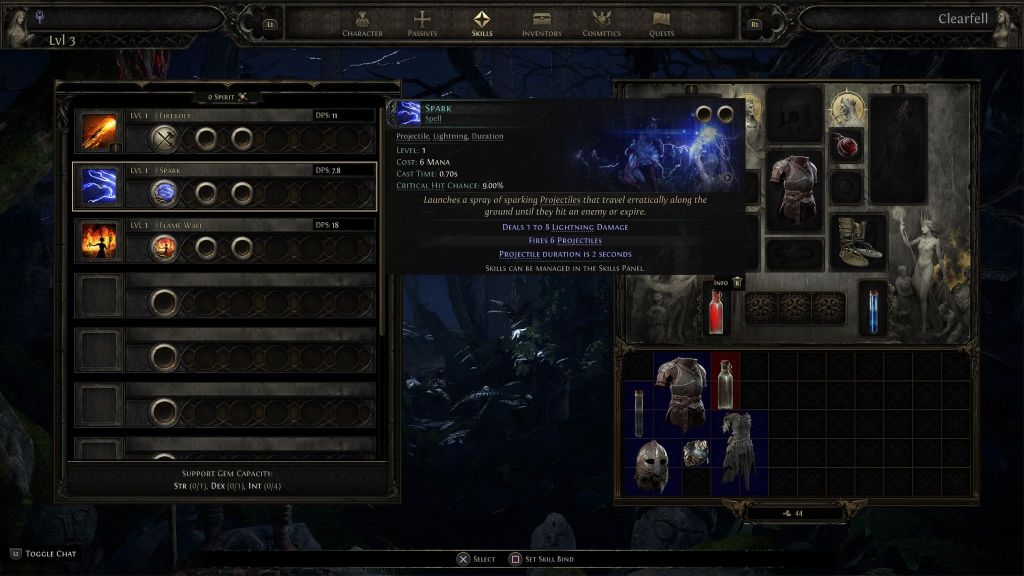
Adding onboarding features to Path of Exile 2 would help new players bridge the gap between curiosity and mastery. A guided introduction to the skill tree, for instance, could highlight core paths or show the impact of early choices, giving newcomers confidence to experiment without fear of making permanent mistakes. It could also help players understand how to prioritize stats, choose passive nodes, and build around said nodes in a way that feels accessible. Onboarding does not need to oversimplify the game or reduce the sense of discovery; it just needs to provide just enough context necessary for players to make informed choices at the start. Once they get rolling, drop the training wheels.
Item systems and mechanics would also benefit from onboarding. Early explanations about crafting and item rarities could remove a lot of initial confusion. Small tutorials or tooltips that show the practical effect of a mod or explain why certain items are valuable would give new players insight into systems that veterans take for granted. This could also extend to league mechanics or endgame mapping, helping newcomers see the big picture while giving them manageable steps to achieve early success. The endgame has already seen some of this, but there could be more. The goal is to make the game’s depth feel inviting rather than overwhelming, again, at least at the start.
Finally, onboarding would improve retention by turning the first hours into a confidence-building experience. When new players feel capable of making decisions on their own and understanding the systems around them, they are more likely to engage with the game long-term. Path of Exile 2 thrives because players invest time, plan strategies, and experiment with builds. Onboarding doesn’t need to be a hand-holding experience, just one that gets a new player’s feet wet enough to get them to dive.
What do you think? Leave a comment below and join the conversation now in the ComicBook Forum!
Most Viewed
-

Courtesy of Sony Pictures Animation / McDonald's -

Courtesy of Sony Pictures Animation / McDonalds