The endgame is arguably the most important part of any action RPG. Getting through the campaign might be what initially draws players in, but it’s everything that comes afterward that determines whether they’ll stick around for hundreds of hours. Traditionally, that means big challenges, better loot, and more elaborate ways to make characters stronger. It’s a formula that has served the genre exceptionally well, but Grinding Gear Games (GGG) seems interested in taking Path of Exile 2 somewhere considerably less conventional, and I’m here for it.
Videos by ComicBook.com
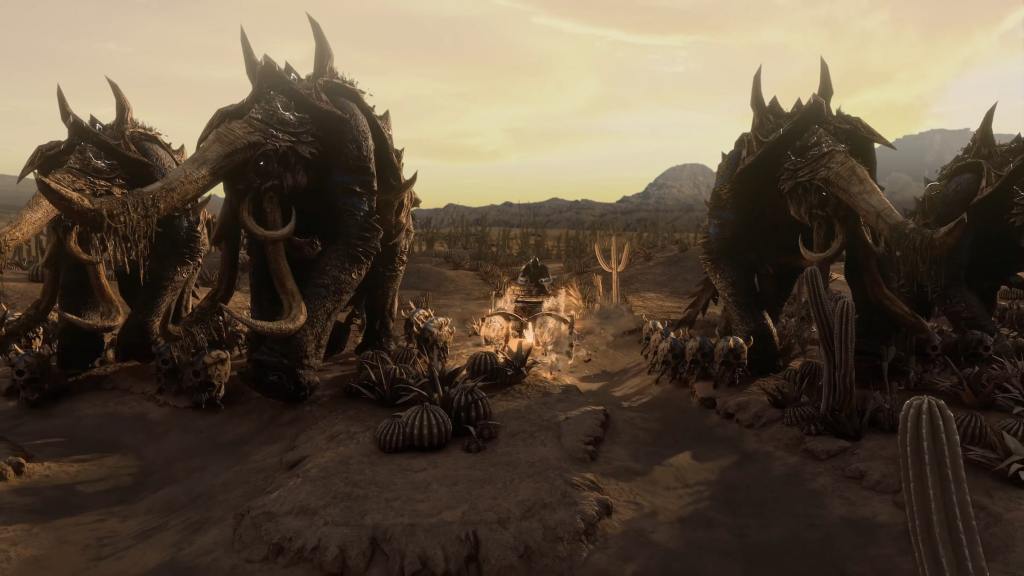
Conquerors of Wraeclast is taking the game’s endgame in a direction I genuinely didn’t expect, introducing large-scale faction warfare and strategic elements that wouldn’t feel out of place in something like the Might and Magic franchise. It’s an incredibly unusual combination, particularly for a genre so deeply rooted in character progression and combat as focal points. GGG is clearly experimenting with what an ARPG endgame can actually look like, and the result could be something special.
Conquerors of Wraeclast Gives Path of Exile 2 an Entirely New Endgame Identity
One of the things I find most interesting about Conquerors of Wraeclast is that GGG seems to recognize there’s more to an endgame than an endless supply of increasingly difficult encounters. The usual ARPG progression loop is incredibly satisfying, but it can also become predictable. You finish a build, find something more difficult to fight, improve your equipment, and repeat the process. Even when developers introduce entirely new activities, they often feed into that same cycle. GGG appears to be looking mend the status quo by introducing a larger conflict that gives players something to work toward beyond their next piece of gear.
The faction warfare is where this ambition really becomes apparent. Conquerors of Wraeclast turns the Atlas Map, we all know and love, into contested territory, with players participating in a broader struggle over castles and control of the surrounding world. What a compelling shift in perspective. Your character remains the center of the experience, but their accomplishments now contribute to something that feels considerably larger than individual progression. It gives the endgame a different kind of purpose, one that could be uniquely appealing to players who enjoy seeing their efforts contribute on a much wider scope.
The strategy elements make this even more unusual. Building an army, stronghold management and all, are not exactly the first things that come to mind when someone mentions new update content in an action RPG. The comparison to the Might and Magic franchise might sound ridiculous at first, but that’s exactly why I’m so interested in what GGG is attempting. These are ideas that seem right up that alley, from an entirely different genre being brought into a game with an already established identity. If GGG can make those systems feel like a natural extension of Path of Exile 2, it could give the game an endgame unlike anything else in the genre.
GGG Is Experimenting With an ARPG Endgame That Goes Beyond Killing Monsters
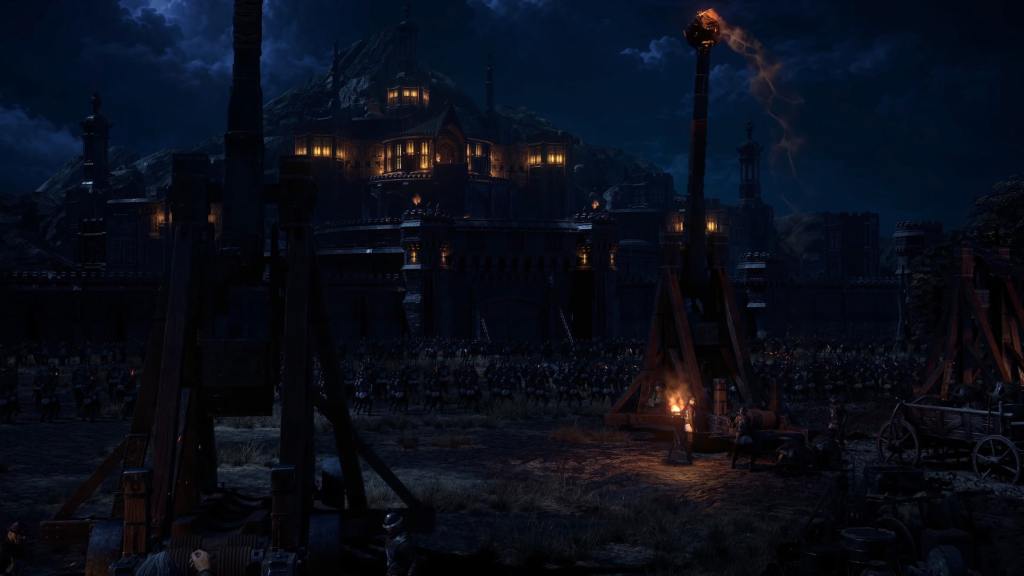
There’s a reason the traditional ARPG endgame has remained so popular. Few things are as satisfying as watching a carefully developed character tear through hordes of enemies that would have destroyed them dozens of hours earlier. The constant pursuit for epic loot and a potent build is practically the genre’s defining appeal. But I also think there’s room for developers to challenge that expectation. Eventually, even the most elaborate combat encounters can start to feel familiar. Giving players an entirely different set of goals could be exactly what an established formula needs to stay interesting.
GGG’s approach seems keen on preserving the combat-driven experience that makes Path of Exile 2 an ARPG while attempting to build something around it that could change how you approach the endgame altogether. There’s a big distinction between adding another activity to an existing progression loop and introducing systems that give players a reason to engage with the content in an entirely different way. Said content also creates opportunities for the game to appeal to people who might not otherwise be interested in the usual ARPG grind, though I suspect that part will remain important in the grand scheme of things.
Naturally, there’s a big question hanging over all of this: will it actually work? Strategy systems can become tedious if they’re poorly integrated, and adding more layers to an already complex game doesn’t automatically make the experience better. GGG will need to ensure these new mechanics complement the combat instead of distracting from it. But I would much rather see a developer take an ambitious swing like this than settle for another variation of the same endgame formula. I don’t know if this experiment will become the new gold standard for ARPG endgames, but I certainly didn’t expect GGG to try something quite like it. And that’s exactly why I want to see where it goes on December 11, POE 2’s 1.0 official release date.
Are you excited to see GGG take the ARPG endgame in this direction, or would you rather stick to the genre’s traditional formula? Let us know in the comment section below!
More Gaming
-
Courtesy of Arkane Studios -

Image Courtesy of Sony Interactive Entertainment